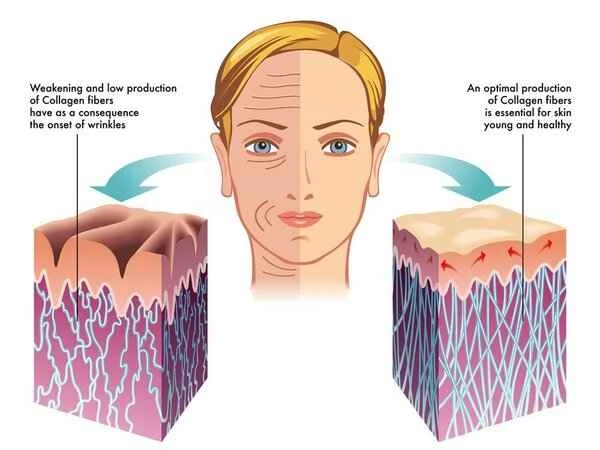
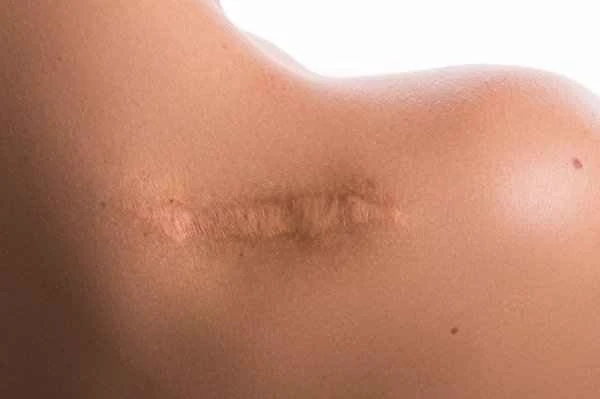
Removing scars after mole removal is a process involving skin repair and treatment. Scars form because the skin produces too much collagen during the healing process, leading to skin tissue hyperplasia and scar formation. There are various methods for scar removal, including medication, physical therapy, and surgery.
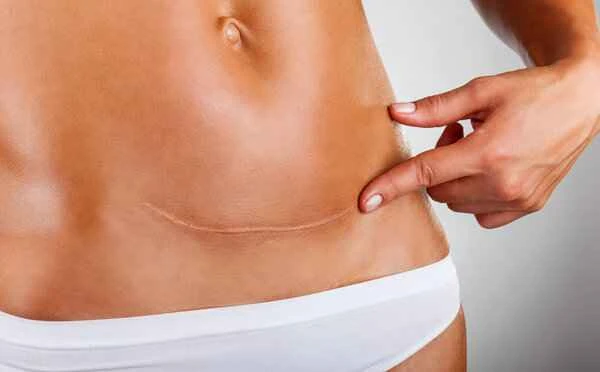
In the early stages of scar formation, medication can be used, such as silicone-containing patches or gels. These products help keep the skin moisturized and reduce scar formation. Topical steroid creams can also effectively reduce redness and hardness of scars. Physical therapies such as laser treatment and microneedling can promote skin regeneration and reduce the appearance of scars. For more severe scars, surgical removal of scar tissue may be necessary, followed by skin grafts or subcutaneous fillers to improve the skin's appearance and texture. Each of these treatment methods has its advantages, and a comprehensive approach can achieve better therapeutic results.
It's important to note that not all scars can be completely removed, especially those that have been present for a long time, where treatment effectiveness may be limited. Discomfort such as redness, swelling, and pain may occur during treatment. Therefore, when choosing a treatment method, it's crucial to fully consider your individual skin condition and treatment goals to select the most suitable plan.
[Management Tip:]
1. During scar treatment, keep the skin clean and moisturized, and avoid direct sunlight.
2. Use doctor-recommended medications or undergo physical therapy regularly to promote skin recovery.
3. If any abnormal reactions occur, such as severe pain or signs of infection, seek medical attention immediately.