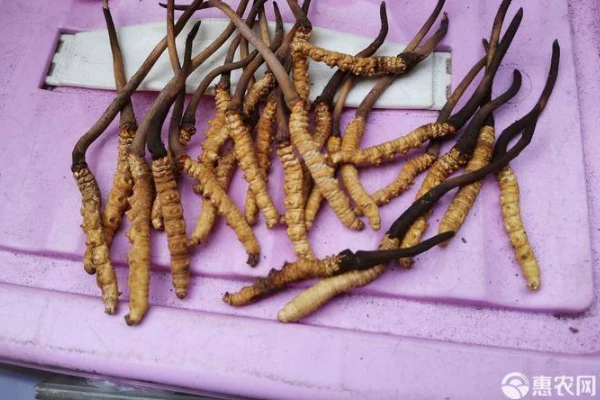
Cordyceps sinensis is a very high-end tonic, and its price is extremely expensive. Therefore, the market is flooded with inferior products and counterfeit ones. Many people want to cultivate cordyceps , so can cordyceps be artificially cultivated ? Let's find out below.
Can cordyceps be cultivated artificially?
Cordyceps can be cultivated artificially, but it is quite difficult, and large-scale artificial cultivation has not yet been successfully achieved. The biggest challenge in Cordyceps cultivation is sourcing the insects; currently, it mainly relies on wild collection, as artificially breeding the insects presents considerable difficulties, thus hindering the progress of artificial cultivation.
Technical difficulties in the artificial cultivation of cordyceps
1. Microbial strains
The fungal strains are mostly derived from Cordyceps sinensis in nature, obtained through conventional isolation and culture. Research indicates that the sexual development of Cordyceps fungi requires humidity to meet the water needs of complex physiological changes within the fungus. Humidity and temperature are correlated; at a certain humidity level, temperature changes slowly and remains relatively constant, which is unfavorable for fruiting body extraction. The sexual development of Cordyceps fungi necessitates low-temperature and temperature-switching treatments.
2. Breeding techniques
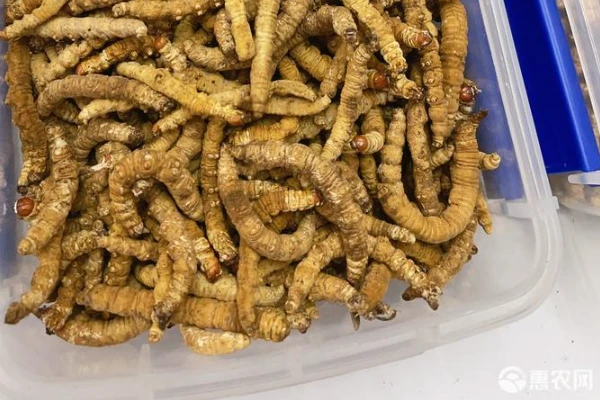
Even under constant temperature conditions, it takes 230-570 days for the strain to complete a generation. Moreover, the handling of each stage of the insect and the rearing environment must be carefully managed. These demanding conditions are beyond the reach of most people.
3. Routes of infection
Cordyceps sinensis develops its fruiting body only after the Cordyceps spores infect and kill the larvae. Observations show that the infection rate is highest in 4th-5th instar larvae of the host plant; mature larvae rarely become infected, and larvae below the 3rd instar are not infected at all. Knowing when to infect is difficult for the average person to grasp.
4. Simulate the ecological environment
Cordyceps sinensis grows at altitudes of 3,500-5,000 meters, requiring specific conditions such as temperature, humidity, sunlight, soil, and vegetation that are difficult for the average person to achieve. It is precisely for these reasons that ordinary people absolutely cannot cultivate Cordyceps sinensis.