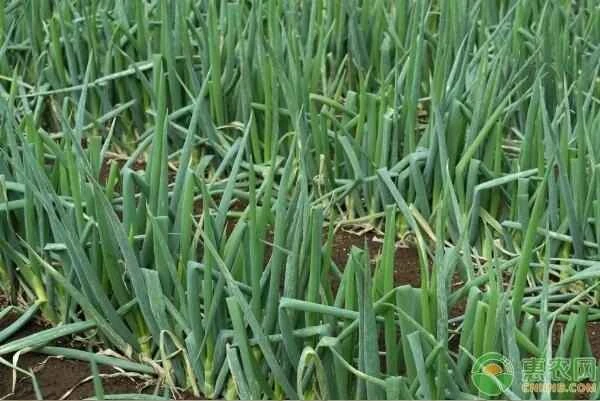
Scallions , also known as green onions or shallots, are a widely cultivated vegetable , usually grown directly from scallion seeds. So how do you grow scallion seeds successfully? Let's find out below.
1. Seed selection
Choose seeds that are plump and free of signs of disease or pests, and it is best to purchase them from a reputable seed supplier.
2. Seed treatment
Before sowing, soak the seeds in 50-degree hot water for more than 20 minutes, stirring constantly to avoid scalding. This will disinfect and sterilize them. After removing and rinsing them thoroughly, drain them before sowing.
3. Prepare the soil
Choose loose, well-drained soil. Before sowing, you can add well-rotted farmyard manure to the soil as base fertilizer to provide sufficient nutrients.
4. Planting time
Scallion seeds are generally suitable for sowing in spring (March to April) or autumn (September to October).
5. Planting methods
Sow seeds in furrows with a row spacing of 15-20 cm and a furrow depth of about 1.5 cm. If the furrows are too shallow, the roots will not penetrate deeply, resulting in weaker seedlings. Sowing at a deeper depth makes it easier to cultivate strong seedlings.
6. Key Management Points
After sowing, the soil needs to be kept at a suitable level of moisture, and seedlings should be thinned appropriately after emergence. Scallions prefer moist conditions but are intolerant of waterlogging, so pay attention to drainage to prevent root rot.
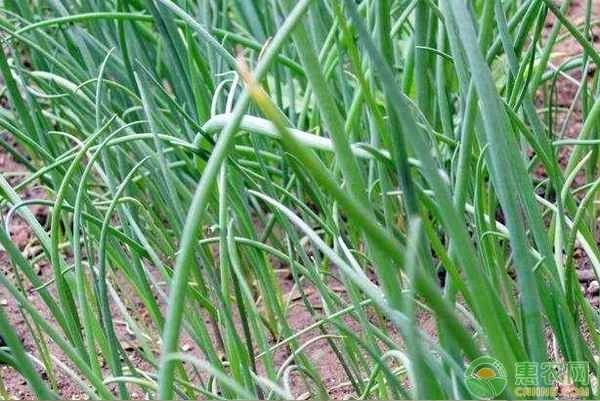
7. Pest and disease control
Scallions are generally less susceptible to pests and diseases. The most common pests and diseases during their growing season are thrips, leaf flies, root maggots, leaf spot, anthracnose, and gray mold. Regular field inspections and timely application of pesticides after disease onset are sufficient for prevention and control.
8. Harvest at the right time
Scallions are generally harvested about 60-70 days after sowing. They can be harvested using a hoe or a manual weeder. After pulling them up, washing them clean, and drying them for a period of time, they can be bagged for storage or sale.