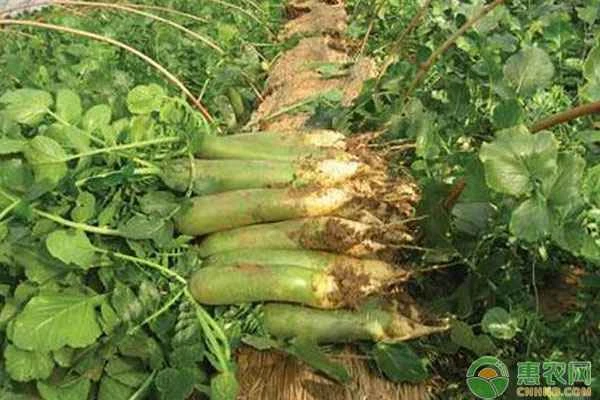
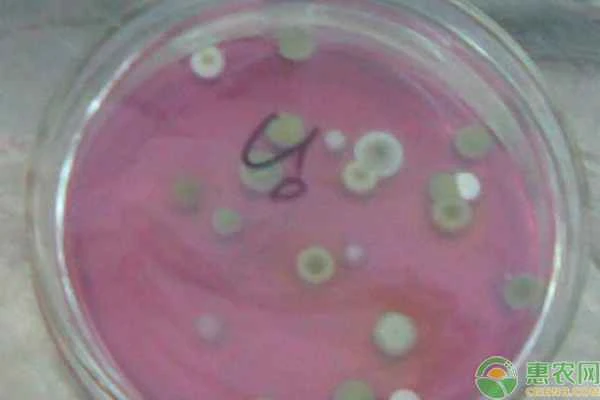
Pesticides are an essential agricultural input in agricultural production, but improper use often leads to pesticide residue problems. Therefore, scientific pesticide residue testing is crucial to ensure that agricultural products meet food safety standards, thereby effectively avoiding threats to human health. So, which organizations should you contact for pesticide residue testing? Details are as follows:
Which organization should I contact for pesticide residue testing?
For pesticide residue testing, you can contact local pesticide residue testing centers, pesticide testing institutes, agricultural product quality inspection and testing centers, pesticide safety evaluation and quality supervision and inspection centers, etc. For specific advice, please consult professionals for more information.
What are the methods for detecting pesticide residues?
1. Popper method
The spectroscopy method is based on the fact that certain functional groups or hydrolysis and reduction products of organophosphorus pesticides undergo chemical reactions such as oxidation, sulfonation, esterification, and complexation with special colorimetric agents under specific conditions, producing a color reaction of a specific wavelength for qualitative or quantitative (limit) determination.
2. Chromatography
Chromatography is a technique that uses chromatographic separation to separate pesticide residues for detection.
3. Immunoassay
Immunoassay is a method that uses antibodies as biochemical detectors to perform qualitative and quantitative detection of substances such as compounds, enzymes, or proteins.
4. Enzyme inhibition method
Enzyme inhibition method is based on the inhibitory effect of organophosphates and carbamates (most of which are highly toxic pesticides) on the activity of acetylcholinesterase, which can be used to indirectly and rapidly detect pesticide residues.
5. Biosensor method
A biosensor assembled using an immobilized AChE membrane and a pH electrode was used to determine organophosphorus and carbamate pesticide residues.