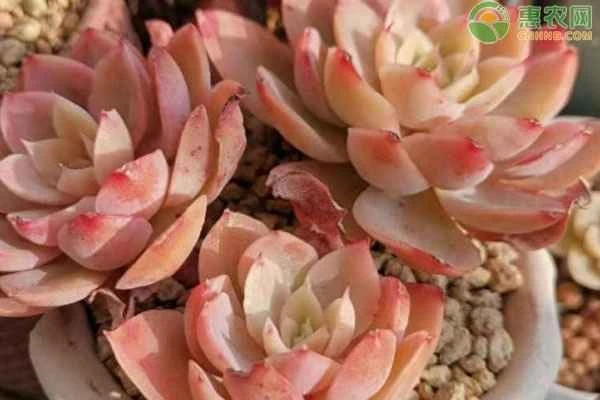
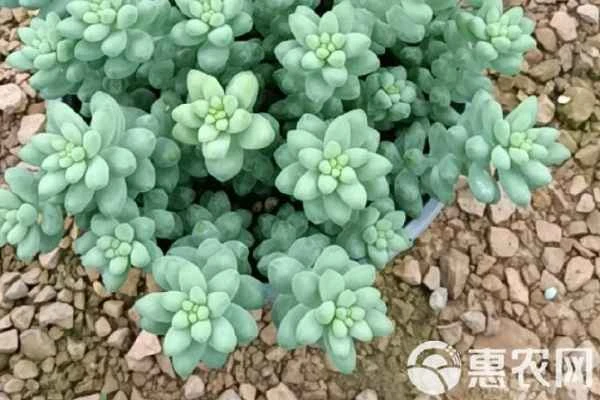
Succulents are a popular plant to grow, but in summer, temperatures can be extremely high. If not properly cared for, outdoor succulents are prone to sunburn in environments exceeding 35 degrees Celsius. So, what should you do with outdoor succulents in the summer? Let's find out.
1. Shade
Moving succulents to a shaded and well-ventilated place can not only avoid the strong sunlight in summer, but also greatly reduce the temperature. If the succulents are grown outdoors, a shade net must be used when the temperature is above 34 or 35 degrees Celsius.
2. Ventilation
Summer weather is hot with large temperature differences between indoors and outdoors, so it's essential to maintain good ventilation for succulents. Ventilation helps dissipate heat from the succulents, reducing the incidence of pests and diseases. You can place fans or install ventilation equipment around the succulents to ensure air circulation.
3. Rain shelter
If you leave succulents to get rained on, they will quickly die after the sun comes out, so you need to provide them with proper rain protection. A simple way is to use a plastic bag to shield them from the rain.
4. Watering Instructions
When watering succulents in the summer, avoid watering at noon. Choose a time when the water temperature is closest to the ambient temperature, such as around 7 pm. After watering, you can use a fan to blow air through the soil to prevent waterlogging.
5. Apply carbendazim.
Watering succulents with carbendazim is necessary because it can control the amount of bacteria in the soil to a minimum, thus playing a preventative role. In summer, watering once a month can effectively prevent soil rot.
6. Strengthen fertilization
Summer is the peak growing season for succulents, requiring increased fertilization to provide them with sufficient nutrients. You can choose to use organic fertilizer or plant nutrient solution, fertilizing once a week to improve the growth rate and disease resistance of succulents.
7. Prevention of diseases and pests
Summer is a peak season for succulent diseases and pests, requiring strengthened prevention and treatment. Regularly inspect the leaves and roots of your succulents to promptly detect and treat any problems. Improving ventilation and lighting can also reduce the incidence of diseases and pests.