The universal laws of nature are inviolable. As living conditions continue to improve, human lifespan is increasing. However, in recent years, the average lifespan of Chinese people has declined. Is longevity really that difficult? The dangers of a sedentary lifestyle are well-known. Taking just two minutes every hour to move around and do these things could make living 20 years longer a reality. Let's take a look!
How to live longer in two minutes
1. Stretch your limbs
Surveys show that office workers spend more than 5 hours a day sitting. The saying "prolonged sitting is equivalent to slow suicide" has been circulating online, and there's some truth to it. Recent studies in the United States have shown that people who sit for more than 4 hours a day outside of work have a 49% higher risk of death compared to those who sit for more than 2 hours a day outside of work. Therefore, it is recommended that everyone pay attention to adjusting their rest time and avoid sitting at their desks for most of the day.
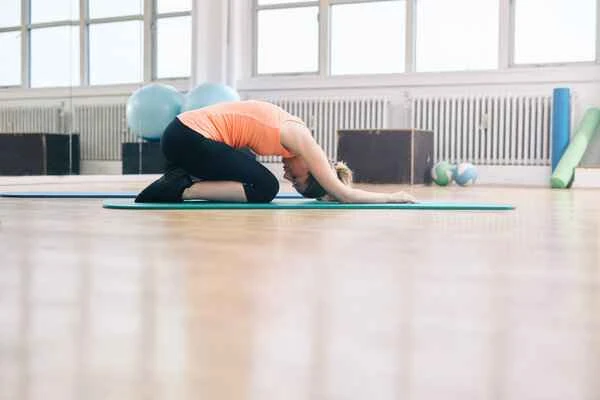
Standing up and walking around every hour, getting a glass of water, and washing your hands are all good habits. It's especially recommended to do stretching exercises regularly. This helps to loosen up limbs that are often curled up, promotes blood circulation throughout the body, and accelerates brain activity, effectively relieving dizziness, headaches, and general weakness. For teenagers, regular stretching exercises help with bone development, while for adults, they can reduce the risk of bone aging and memory decline.

II. Deep Breathing
The toxins that accumulate in our bodies mainly fall into two categories: one is the toxins left over from food, which everyone knows about; the other is toxins that enter our bodies through respiration. Food residue toxins can be eliminated through the digestive system, but what about the toxins that enter through respiration? They are, of course, also eliminated through respiration. Our nasal hairs act as the first layer of filtration for the air, but many fine particles still manage to slip through and enter the body. Some of these fine particles are expelled with respiration, while some toxins adhere to the respiratory mucosa or remain in the lungs, unable to be expelled smoothly. Over time, these toxins can damage the respiratory tract's immune function, leading to a series of respiratory diseases. So how do we eliminate residual toxins? The answer is a very simple action—deep breathing!
When practicing deep breathing, I suggest finding a place with good air quality, ideally with green plants. First, relax your body, inhale deeply through your nose, hold the air in your lungs for 4-5 seconds, and then slowly exhale through your mouth. This allows your body to better absorb oxygen from the air and subsequently expel excess carbon dioxide and toxins.
3. Rinse your mouth after meals
Food residue left between our teeth after meals easily leads to bacterial growth. These bacteria attack our oral cells, causing swollen and painful gums and mouth ulcers. If these bacteria enter the bloodstream through the mouth and spread throughout the body, they can cause a range of cardiovascular diseases. Therefore, oral hygiene is crucial, which is why we often say "illness enters through the mouth." Modern medical research also closely links oral problems with diseases in other parts of the body.
Maintaining oral hygiene is very important, but it is not necessary to brush your teeth after every meal. Except for brushing your teeth after dinner, you can rinse your mouth with water 3 minutes after eating at other times.
IV. Self-massage
Many office workers easily experience fatigue, which is the body's signal of exhaustion and also a time when illness can easily take hold. When the body is weak and all physiological organs are in a resting phase, viruses can easily become active. At this time, we need to relieve fatigue promptly. Some might say, "Should I just take a nap right away?" Relieving fatigue isn't limited to sleep; simple self-massage can also be effective. There are many massage techniques, and here we'll introduce a few that are suitable for office workers and save time.
Method 1: Rub your hands. Our hands have more than 340 acupoints. Frequently rubbing your hands can stimulate tactile nerves, promote blood circulation throughout the body, and stimulate the brain's nervous system, thereby refreshing the mind.
Method Two: Scratching your head. There are many acupoints on the scalp; massaging these acupoints can prevent and treat illnesses. Regularly massaging these acupoints can relieve nervous tension, stimulate memory, and prevent dizziness and headaches caused by excessive mental exertion.
Method 3: Rub your nose. Massaging your nose can improve its ability to block bacteria. Regularly rubbing your nose can help prevent bacteria and dust from entering the respiratory tract, thus protecting it. This method can effectively prevent respiratory diseases.
5. Eat some fruit
Fruits are rich in vitamins and trace elements. Eating a piece of fruit every day can help prevent a range of diseases caused by vitamin deficiencies.
VI. A smile makes you ten years younger.
A smile makes you ten years younger. Studies show that people who laugh often live longer than those who don't. This means that mindset is very important. A healthy and positive mindset contributes to health and longevity. Doctors say that laughter can relieve stress, regulate blood pressure, and strengthen the immune system.