The diagnosis of keloid scarring refers to the abnormal proliferation of scar tissue that occurs during the wound healing process after an injury or surgery.
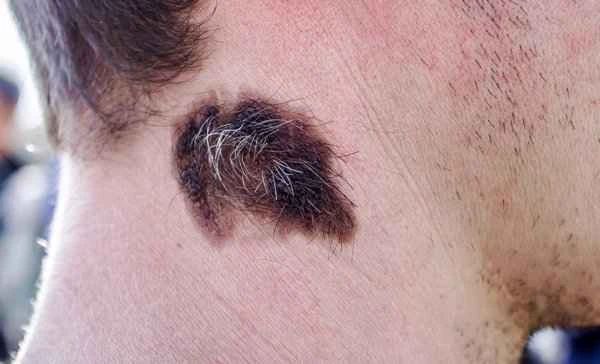
The importance of identifying a predisposition to keloid scarring lies in its ability to help us better understand an individual's unique response during the wound healing process, allowing for more personalized choices in treatment and prevention. This helps avoid situations that could lead to excessive scarring, reducing patient suffering and improving quality of life.

The diagnosis of keloid scarring predisposition is typically made by observing and recording the formation of scars in an individual after various traumas. The doctor will assess the type of scar, such as hypertrophic scars or keloids, as well as its size, color, and hardness. The doctor may also inquire about family history, as keloid scarring has a certain hereditary tendency. Based on this information, the doctor can make a comprehensive judgment on whether an individual has a keloid scarring predisposition.
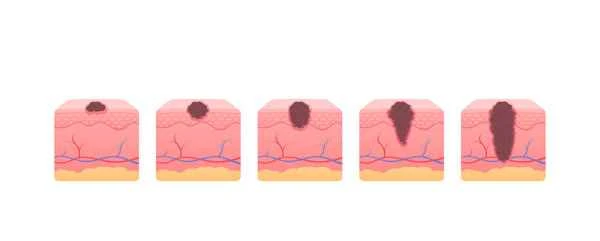
Understanding your predisposition to keloid scarring can help you better manage the healing process after trauma. It's important to note that the diagnosis of keloid scarring is not static; it can be influenced by various factors, including an individual's health condition, the severity of the trauma, and the type of treatment. When making a diagnosis, a comprehensive assessment should be taken into account, and you should always follow your doctor's professional advice regarding any treatment or preventative measures.
【Useful Tips:】
1. Find out if there is a family history of keloid scarring.
2. After injury or surgery, closely monitor wound healing, especially scar formation.
3. If abnormal scarring is observed, seek medical advice promptly.
4. Follow your doctor's advice and take appropriate preventive and treatment measures.