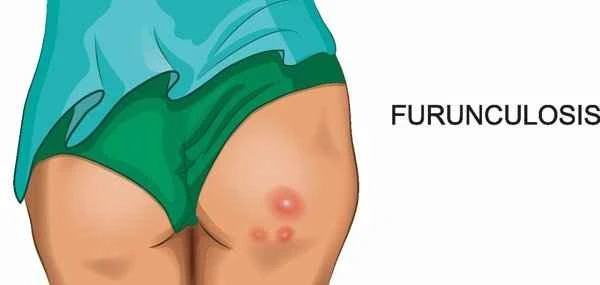
Keloids typically refer to abnormal lumps that form on the skin, commonly seen during the healing process of surgical incisions, trauma, or burns. These lumps may appear as hard masses under the skin and are sometimes accompanied by pain or discomfort.
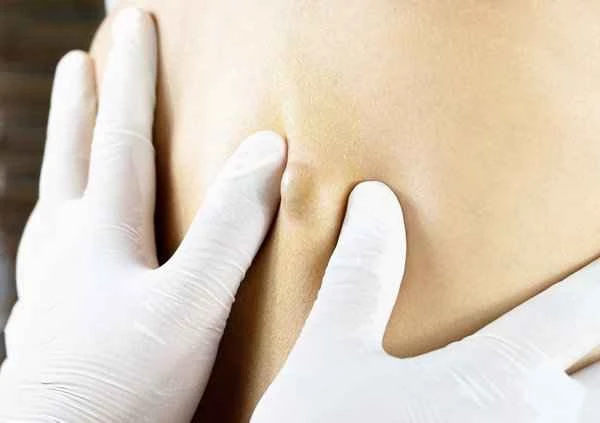
The formation of large keloid scars may be related to an individual's healing mechanism. For example, some people may produce excessive collagen during the healing process due to genetic factors, leading to excessive proliferation of scar tissue. This proliferation of scar tissue is not limited to surgical incisions but can also appear in areas where the skin has been traumatized or infected. If the keloid is red, swollen, painful, or has discharge, it may be a sign of infection and requires prompt medical attention.
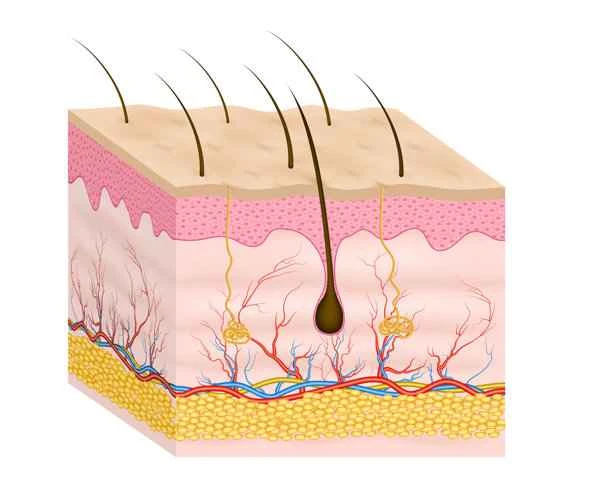
Key points to note: While most keloid scars are benign, if they enlarge rapidly, cause severe pain, or are accompanied by fever or other systemic symptoms, seek immediate medical attention. The excessive proliferation of scar tissue is not static; it can change over time. Regularly monitoring and recording these changes is crucial for early detection of potential problems.
[Prevention Tips:]
1. Keeping the wound clean and avoiding infection helps reduce scar formation.
2. After the wound has healed, you can use scar care products recommended by your doctor, such as silicone sheets or gels, to promote the softening and flattening of the scar.
3. During the healing process, avoid applying too much pressure or friction to the wound to prevent stimulating excessive growth of scar tissue.
4. If there is a family history of keloid formation, consult a dermatologist as soon as possible for professional guidance and treatment advice.