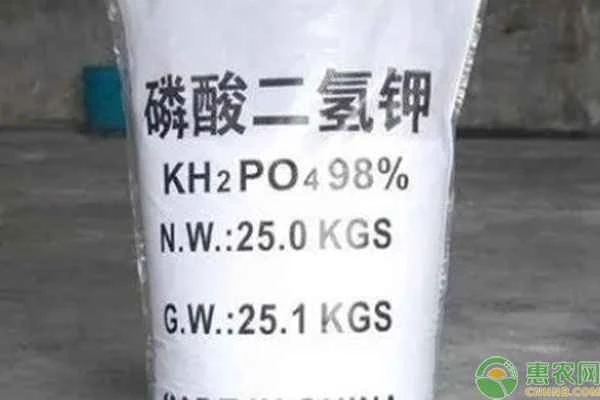
Potassium dihydrogen phosphate, as its name suggests, contains both phosphorus and potassium, supplementing crops with these elements and regulating their absorption of nitrogen. It is widely used in actual production. So, what are the effects of potassium dihydrogen phosphate foliar fertilizer ? Let's take a look.
I. What are the effects of potassium dihydrogen phosphate foliar fertilizer?
1. Promotes nitrogen absorption
Potassium dihydrogen phosphate can promote the absorption of nitrogen by crops, quickly replenish phosphorus and potassium, increase crop yield, and play a special role during special physiological stages of crops.
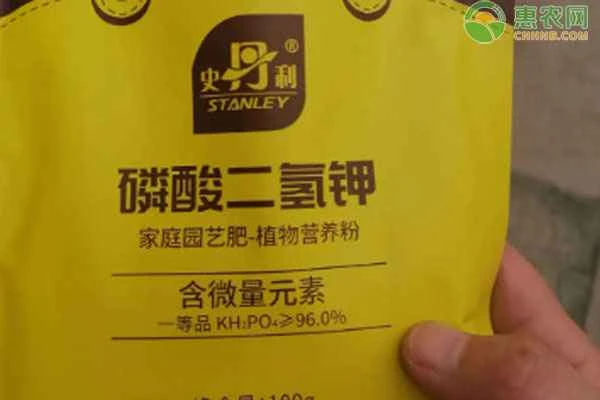
2. Enhance crop photosynthesis
Potassium plays a crucial role in crop growth by enhancing photosynthesis and accelerating the production and conversion of nutrients. For example, why are melons grown with excessive nitrogen fertilizer (such as urea) less sweet, while those sprinkled with wood ash are much sweeter? This is because wood ash has a high potassium content, which greatly promotes photosynthesis and the transfer of glucose, a photosynthetic product, into the fruit.
3. Improve crop stress resistance
Potassium dihydrogen phosphate can enhance crop resistance to adverse conditions, such as drought, hot and dry winds, waterlogging, cold and frost, damage and healing, and pathogen infection. For example, potassium dihydrogen phosphate is used to help wheat resist hot and dry winds, and a combination of potassium dihydrogen phosphate and brassinolide can be used to help crops resist cold, sprayed 3-5 days before the onset of low temperatures. There are countless examples of this.
4. Promotes flower bud differentiation, preserves and strengthens fruit, and improves fruit quality.
High-quality potassium dihydrogen phosphate can greatly promote flower bud differentiation in crops. Spraying it after flowering can also help preserve and strengthen the fruit. Spraying potassium dihydrogen phosphate during the fruit enlargement period can also promote fruit enlargement, improve fruit quality, promote color change and sugar increase, and improve taste.
II. Combinations with potassium dihydrogen phosphate
1. Potassium dihydrogen phosphate + pyraclostrobin
This formula is a perfect combination of pesticide and fertilizer. Pyraclostrobin is a broad-spectrum fungicide that not only effectively controls various pests and diseases but also regulates crop growth and development. When used in combination with potassium dihydrogen phosphate, it not only controls pests and diseases but also promotes plant growth and prevents leaf aging and premature plant senescence. The yield-increasing effect is even more pronounced.
2. Potassium dihydrogen phosphate + brassinolide
This formula is a perfect combination of fertilizer and plant growth regulator . As we know, brassinolide requires sufficient water and fertilizer to exert its regulatory effect. Using them together not only supplements foliar nutrition but also promotes flowering and fruiting, increases fruit set rate, and improves yield and quality. For winter and spring use, it is the best antifreeze formula, preventing damage from late spring frosts. When used on wheat during the grain-filling stage, it can also prevent hot, dry winds, promote grain filling, increase thousand-grain weight, and improve wheat yield and quality.
3. Potassium dihydrogen phosphate + urea
This formula is a complete foliar fertilizer formula. As we all know, potassium dihydrogen phosphate only contains phosphorus and potassium, while plants require the most nitrogen for growth and development. Mixing potassium dihydrogen phosphate with urea can simultaneously supplement nitrogen, phosphorus, and potassium.
4. Potassium dihydrogen phosphate + paclobutrazol
This formula is a perfect combination of potassium dihydrogen phosphate and a growth regulator. Paclobutrazol is an auxin inhibitor that, when sprayed, only suppresses the growth of stems and leaves, preventing excessive nutrient consumption. Adding potassium dihydrogen phosphate when spraying paclobutrazol redirects nutrients towards reproductive growth, promoting flower bud differentiation and increasing fruit set. The effect is most pronounced when used on peanuts.
5. Potassium dihydrogen phosphate + humic acid trace element water-soluble fertilizer
This formula is a perfect combination of potassium dihydrogen phosphate and micronutrients. We all know that crops need not only nitrogen, phosphorus, and potassium during their growth and development, but also a variety of micronutrients. Many micronutrients are not easily absorbed and transported by crops, especially in tender shoots, buds, and fruits, where micronutrient deficiencies are most likely to occur. Mixing potassium dihydrogen phosphate with humic acid-based water-soluble micronutrient fertilizer promotes the absorption and utilization of micronutrients, effectively preventing micronutrient deficiencies in plants.