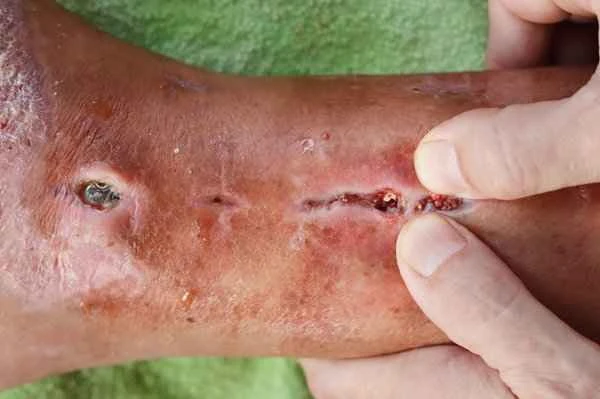
Scar repair refers to a series of methods to promote the recovery of skin after injury, in order to reduce or eliminate scars.
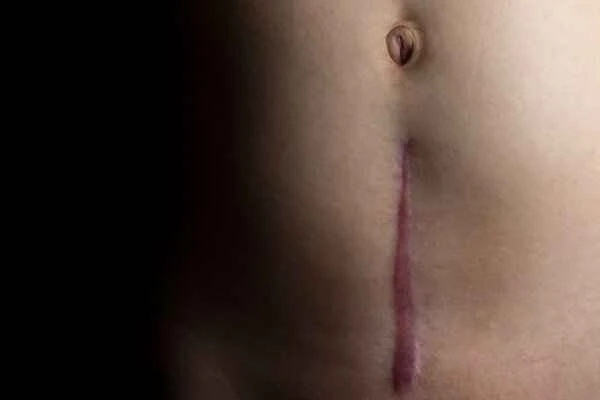
Scar revision is important because it can help improve skin damage caused by trauma, surgery, or disease, reduce scar formation, and improve the skin's appearance and function. Through scar revision, patients can not only reduce their cosmetic concerns but also improve their mental health.
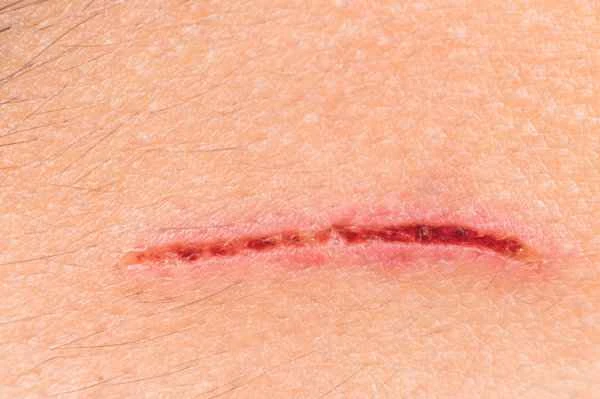
There are various methods for scar revision, including but not limited to drug therapy, physical therapy, and surgical intervention. Drug therapy may involve using silicone sheets, gels, or topical corticosteroids to promote scar softening and flattening. Physical therapy may involve pressure therapy, using specially designed pressure garments to reduce scar hyperplasia. Surgical intervention may include scar excision, skin grafting, etc., to improve the appearance and function of the scar. Each method has its advantages and disadvantages, and doctors will choose the most appropriate treatment method based on the type and location of the scar and the individual's circumstances.
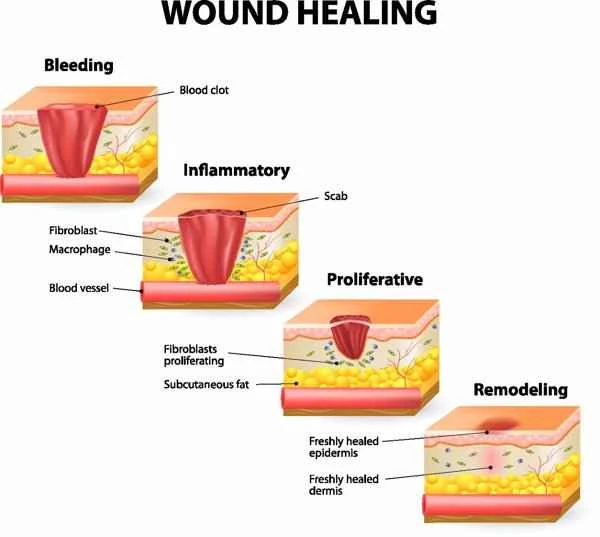
When understanding the outcomes of scar revision surgery, it's important to recognize that the results of each method vary from person to person. Medication and physical therapy may take months to see noticeable effects, while surgical intervention can bring about more rapid changes, but this also comes with a recovery period and the risk of potential complications. Before undergoing scar revision surgery, patients should have a thorough discussion with their doctor to understand all possible treatment options and their expected effects, while maintaining realistic expectations for the results. During treatment, patients should closely monitor for any abnormal reactions and communicate them to their doctor promptly to ensure the safety and effectiveness of the treatment.
【Useful Tips:】
1. Before undergoing scar repair, you should understand your scar type and treatment options in detail.
2. Follow your doctor's instructions and use medications and physical therapy equipment correctly.
3. Be patient during the treatment process, as scar repair may take some time to show results.
4. Have regular follow-up appointments and promptly report any treatment progress and discomfort to your doctor.