Scarred skin is described by its distinctive appearance and texture.
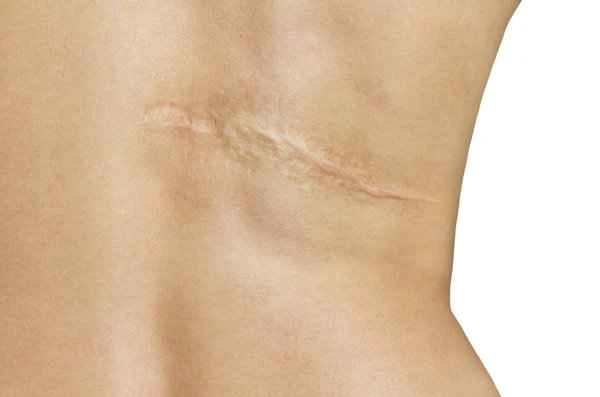
Scarred skin is typically harder and thicker than normal skin, and its color varies. It may appear red, purple, or white, depending on the type of scar and when it formed. Scar tissue is usually firmer and feels rougher than the surrounding skin. In appearance, scars may appear flat, raised, or depressed, depending on the type of scar and its cause. For example, hypertrophic scars may protrude outwards, while atrophic scars may sink inwards.
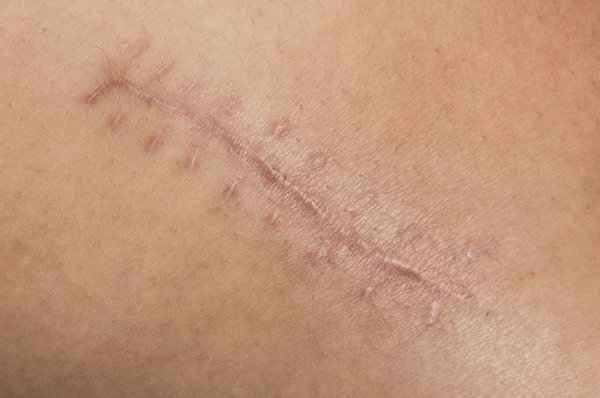
To better understand and describe scarred skin, consider the following: observe the color of the scar, noting whether it matches the surrounding skin; feel the texture of the scar, noting whether it is harder or softer than the surrounding skin; and finally, observe the shape of the scar, noting whether it is raised, flat, or depressed. These characteristics help to more accurately describe scarred skin, thus providing a basis for subsequent treatment and care.
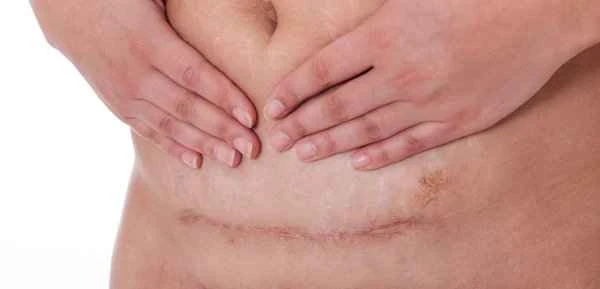
[Life Tips:]
1. Observe the color change of the scar and record whether it matches the color of the surrounding skin.
2. Feel the texture of the scar and note whether it is harder or softer than the surrounding skin.
3. Observe the shape of the scar, noting whether it is raised, flat, or sunken.