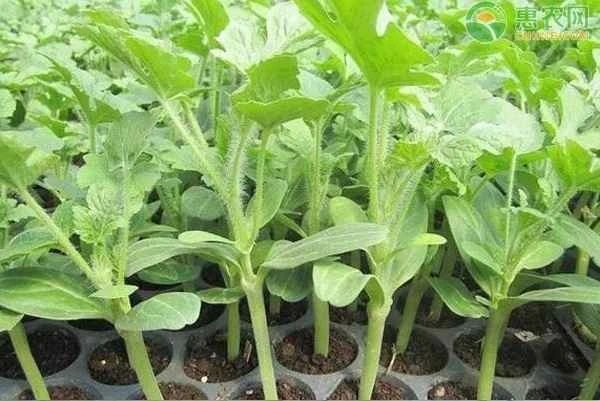
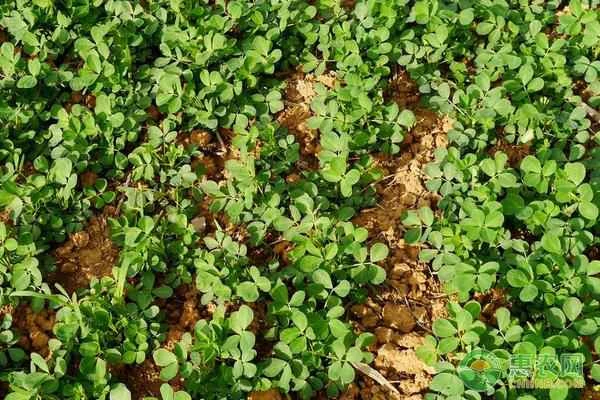
Poria cocos has high nutritional and medicinal value, and with increasing market demand, more and more farmers are cultivating it artificially. The main techniques for artificially cultivating Poria cocos include the following four points:
1. Site selection and land preparation
The ideal planting site for Poria cocos is a well-drained east-, south-, or west-facing hillside at a 10-25° angle. Yellow sandy soil is preferred; clay or gravelly soil is unsuitable, and continuous cropping should be avoided. After selecting the site, deep tilling is essential to remove all debris. In areas infested with termites, termite-killing agents should be used for soil disinfection. Ten days before inoculating with Poria cocos, till the soil again, breaking up clods and thoroughly removing all debris.
2. Material preparation
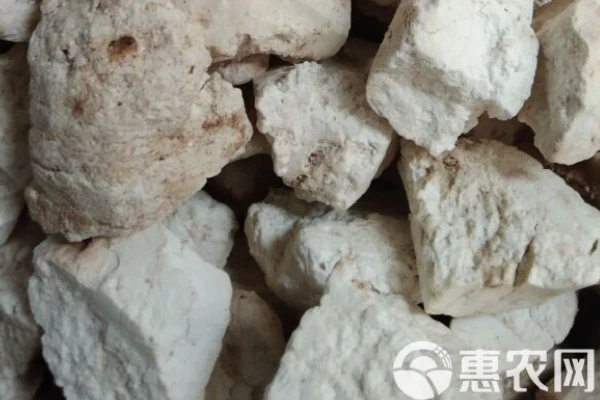
Poria cocos cultivation differs from other medicinal herb cultivation , primarily because it is a facultative parasitic fungus . Therefore, it requires pre-prepared substrate and mycelial cultivation before planting to ensure proper growth. The most favorable nutrient for Poria cocos fungus growth is pine wood, so pine wood needs to be prepared. It should be divided into sections or made into stumps for substrate preparation, with each section approximately one meter in length. The bark should be removed, and the sections placed on the ground, then covered with straw.
3. Vaccination
Poria cocos can be inoculated in spring and autumn. First, a suitable strain or fresh Poria cocos spawn needs to be selected. Second, a pit needs to be dug on prepared ground along the slope, and the logs should be placed along the pit. Then, the strain and the people inoculating need to be thoroughly disinfected to avoid bacterial infection. After disinfection, the inoculum should be evenly placed at both ends or joints of the logs, and a layer of termite-killing agent should be sprinkled on top. Finally, it can be gently covered with soil.
4. Key Management Points
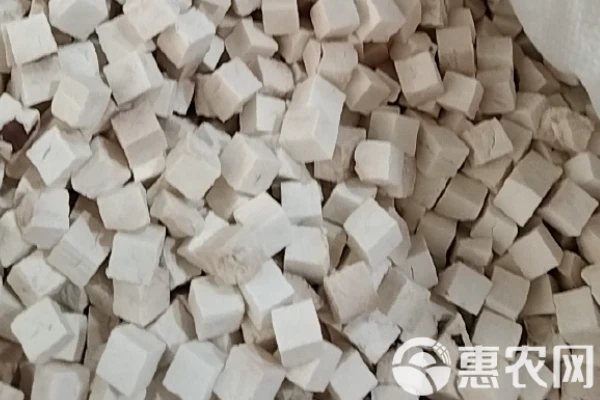
About a week after inoculation, white mycelium will appear. It's important to regularly check the mycelium growth in the field. If there are gaps or sparse growth, re-inoculate promptly. Then, check every ten days or so to see the Poria cocos for dead or foreign fungi. If any are found, remove them immediately to prevent infection by other healthy fungi. After about two weeks, if termites appear in the soil, exterminate them, as termites are natural enemies of Poria cocos growth. Finally, pay attention to field moisture; drain excess water promptly, and mound soil around any exposed logs.