Watermelons are a common summer fruit , sweet and juicy, and loved by many. However, growing watermelons requires patience and skill. Mastering the planting time and methods is crucial for a bountiful harvest. So, when and how should watermelons be planted? Let's take a look.
1. When should watermelons be planted?
1. Spring planting:
Spring is the main season for watermelon planting. Sowing begins when the temperature reaches above 15°C, which usually occurs in the early to mid-spring, such as between March and May, depending on local climate conditions.
Early-maturing watermelon varieties can be sown from mid-December to late March of the previous year. It takes about 90 days from sowing to harvesting, and they are suitable for planting in warm regions or using facilities such as greenhouses in advance.
2. Summer planting:
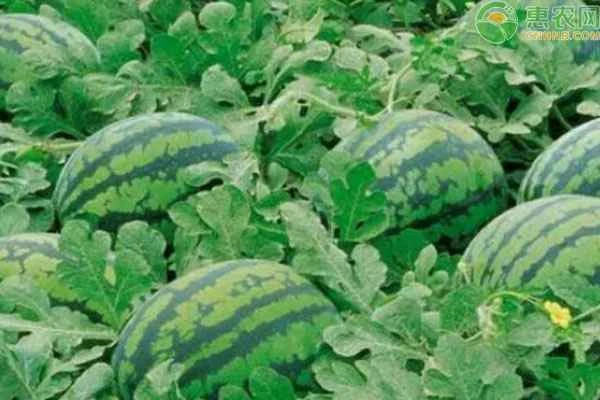
If you miss the optimal planting time in spring, summer is also a good time to plant watermelons. Sowing is generally done in late May or early June to ensure the watermelons grow to maturity during the summer.
In southern regions, due to higher temperatures, spring and summer planting times may be closer together, generally between late March and the end of April.
3. Autumn planting (autumn-delayed watermelon):
In some regions, watermelons can also be planted in the fall. Sowing usually takes place in mid-to-late July, and it takes 100-120 days from sowing to harvest. This method is suitable for areas with a mild climate and a long autumn.
II. How to grow watermelons?
1. Site selection and land preparation:
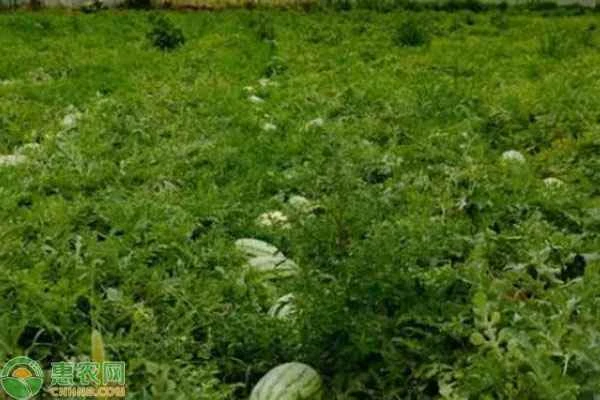
Choose deep, fertile, and well-drained sandy soil or sandy loam, with a soil depth of at least 30 centimeters.
Before planting, the soil should be deeply tilled and leveled, and well-rotted organic fertilizer should be applied to improve soil structure and increase soil fertility.
2. Sowing or transplanting:
Direct seeding: Dig round holes 10-15 cm in diameter in the prepared soil, with a spacing of about 60-80 cm between the holes and a depth of 3-5 cm. Generally, plant 2-3 seeds in each hole, and then cover with a thin layer of soil. After the seedlings emerge, select the best one to keep.
Transplanting: Select robust seedlings that are 25-30 days old and have a root neck diameter of 1-2 cm for transplanting. When transplanting, keep the soil moist and prune the leaves appropriately to reduce transpiration.
3. Field management:
Water and fertilizer management: Watermelons require sufficient water and nutrients to grow. During the growth period, fertilization and watering should be done appropriately. Follow the principle of "control in the early stages and promote in the later stages," that is, control water and nitrogen fertilizer application in the early stages to prevent excessive vegetative growth; apply more phosphorus and potassium fertilizer in the middle and later stages to promote fruit enlargement. Control watering before fruit setting, and increase watering after fruiting to keep the soil moist.
Pruning and removing side shoots: To promote the growth and fruiting of watermelons, regular pruning and removing side shoots are necessary. Except for the branches and vines that need to be retained, other excess branches and vines should be removed promptly. The pruning method should be determined according to the variety and cultivation method, generally using double-vine or triple-vine pruning.
Artificial pollination : Artificial pollination during the flowering period can improve the pollination rate and fruit set rate. Pollination should be carried out between 9 and 11 am by applying pollen from the male flower to the stigma of the female flower.
Pest and disease control: Watermelons are susceptible to various pests and diseases during their growth period, such as anthracnose, vine blight, blight, leaf blight, aphids, and spider mites. Regular pest and disease control is necessary, employing a comprehensive approach that combines chemical, biological, and physical control methods.
4. Harvesting and Preservation:
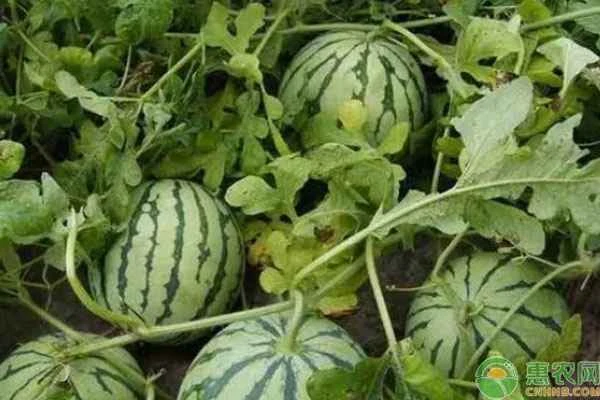
Watermelons typically ripen 70-90 days after planting, with the exact time depending on the variety and growing environment. Once ripe, they should be harvested promptly and stored in a cool, well-ventilated place to maintain freshness. When harvesting, the stem and vine should be retained to preserve the watermelon's freshness and quality.