The plant lice that infest flowers are usually aphids. They are herbivorous insects and one of the fastest-reproducing insects, significantly impacting the appearance and health of flowers . So how should they be dealt with? Let's find out below.
1. Manual removal
If there are only a few aphids, you can wipe the leaves with a damp towel to remove them. You can also remove them directly with your hands or cotton swabs . For aphids that are more concentrated, you can wear gloves and crush the aphids on the branches and leaves.

2. Introduce natural enemies
Using the natural enemies of plant aphids, such as ladybugs and hoverflies, can help control the number of plant aphids.
3. Rinse with cold water
Placing the flowers under running cold water and rinsing the leaves and flowers can wash away aphids.
4. Plant rejection
The volatile aroma of chives can repel aphids, so they can be planted together with other flowering plants to reduce aphid density.
5. Daily prevention
First, ensure good air circulation around the flowers to avoid overly humid environments and reduce the chance of aphids breeding. Second, promptly prune diseased and weak branches and leaves to reduce hiding places for aphids. Third, perform regular watering and fertilization maintenance to keep the flowers growing vigorously; strong plants are better able to resist pest infestations.
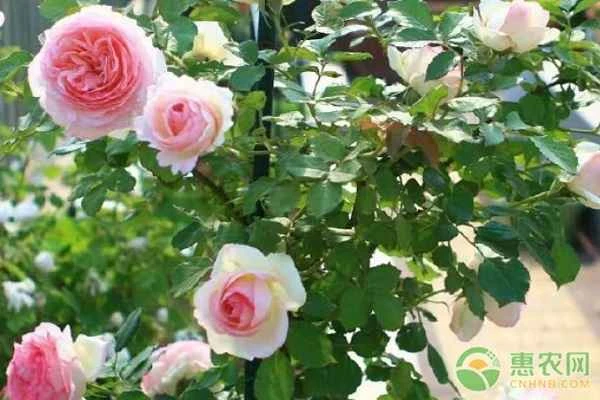
6. Natural insect repellent
You can spray natural solutions such as laundry detergent water, soapy water, eucalyptus oil solution, or tobacco water on flowers. These natural insect repellents can effectively prevent aphids on flowers. Note that they should be diluted before use. For example, dilute laundry detergent, urea and water in a ratio of 1:4:400, or dilute tobacco and water in a ratio of 1:15 before spraying the plants.
7. Chemical control
When there are a large number of aphids, chemical agents can be used for spraying. For example, 35% endosulfan EC at 1500 times dilution, or 20% methomyl EC at 1500 times dilution, or 44% profenofos EC at 1500 times dilution, or 20% imidacloprid soluble concentrate at 3000-4000 times dilution can be sprayed in time.