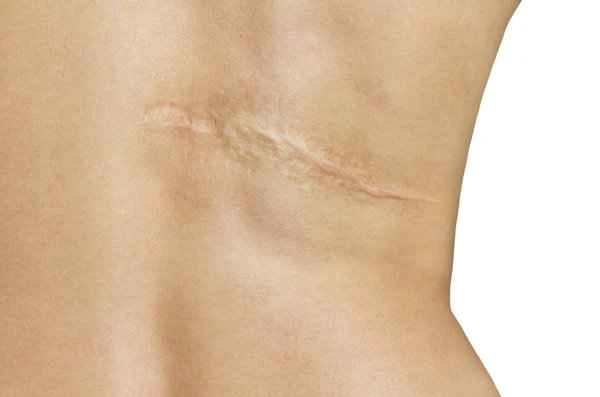
Treatment for folliculitis with sinus tracts primarily involves a combination of surgical and medication approaches. Folliculitis with sinus tracts means that the inflammation has penetrated deep into the skin tissue, forming a persistent channel. This not only affects appearance but can also lead to recurrent infections. The core of treatment for this condition lies in thoroughly removing the sinus tracts, preventing recurrence of infection, and promoting wound healing.
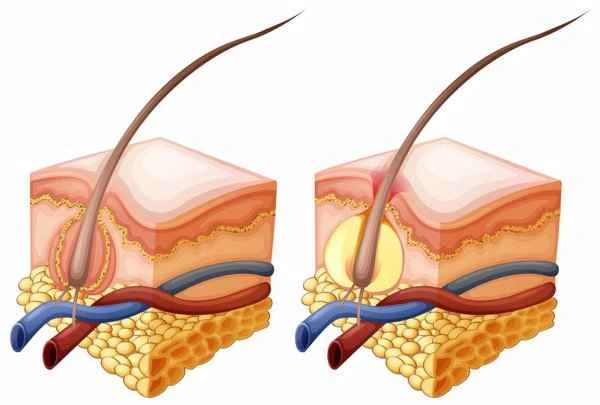
Treatment of folliculitis-induced sinus tracts usually begins with surgery to remove the tracts and excise the infected tissue. During the procedure, the doctor will carefully examine the depth and extent of the sinus tract to ensure complete removal of the lesion. After surgery, a drainage tube may be placed to help drain the pus and reduce the risk of infection. Proper wound care is also necessary post-operatively, including cleaning the wound and applying antibiotic ointment to promote healing and prevent infection.
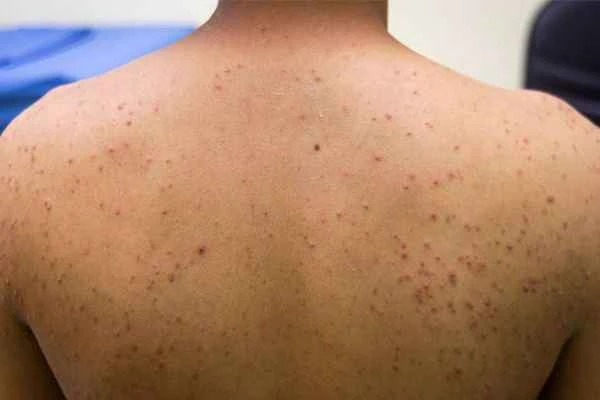
Besides surgery, medication is also an important part of treating folliculitis-induced sinus tracts. Antibiotics are the main medications for this type of infection and can be used orally or topically to control the infection. For some difficult-to-cure cases, stronger antibiotics or long-term anti-infective treatment may be required. Sometimes, anti-inflammatory drugs are also used in combination to reduce inflammation and promote wound healing.
Treating folliculitis-induced sinus tracts requires not only timely and effective surgical intervention but also attention to avoiding some common misconceptions. For example, some patients may try home remedies or over-the-counter medications, which may not only be ineffective but could also worsen the infection. Once folliculitis-induced sinus tracts are detected, it is important to seek medical attention promptly for evaluation and treatment by a professional physician. During treatment, avoid over-cleansing or using harsh skincare products, as these can exacerbate the inflammatory response.
[Management Tip:]
1. Seek medical attention promptly for evaluation and treatment plan development by a professional doctor.
2. Regular follow-up examinations are necessary after surgery to ensure good wound healing and complete removal of the sinus tract.
3. Pay attention to personal hygiene, keep the affected area clean and dry, and avoid recurrence of infection.
4. Use antibiotics and other medications as prescribed by your doctor, and avoid stopping or changing medications on your own.