Postoperative dressing changes for keloid scars refer to the process of regularly changing the dressing after surgery to promote wound healing and prevent infection.
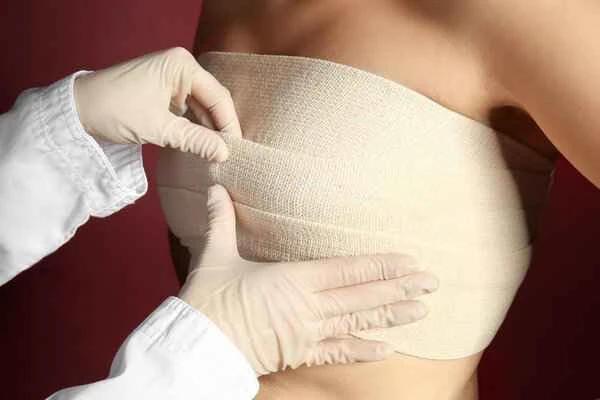
Changing dressings after keloid surgery is a meticulous process designed to keep the wound clean and dry, prevent infection, and promote healing. Before changing the dressing, hands must be thoroughly cleaned to reduce the risk of bacterial infection. Next, the skin around the wound is cleaned with sterile saline solution or an antiseptic to further reduce the possibility of infection. Then, the old dressing is removed, and the wound is checked to ensure there are no signs of infection. Finally, an appropriate dressing is chosen based on the doctor's advice to cover the wound and protect it from external contamination. This series of procedures not only helps prevent infection but also promotes wound healing and reduces the risk of scarring.
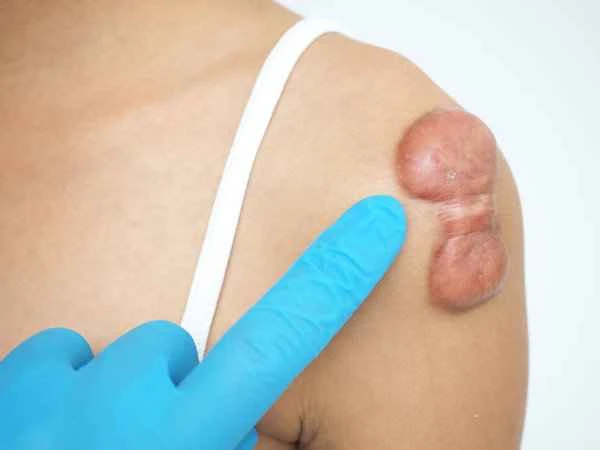
During dressing changes after keloid surgery, it's crucial to understand that wound care is more than just changing dressings. It involves meticulous observation and timely intervention of the wound's condition. For example, if signs of infection appear, such as redness, swelling, oozing, or unusual odor, immediately notify your doctor so the treatment plan can be adjusted. Overly frequent dressing changes may interfere with the natural healing process; therefore, follow your doctor's instructions and schedule dressing changes appropriately. Keeping the skin around the wound clean and dry, and avoiding friction and pressure, are also important measures to promote healing. These meticulous procedures and precautions are key factors in ensuring successful wound healing after keloid surgery.

[Management Tip:]
1. Change the dressing regularly as directed by your doctor.
2. Carefully observe the wound for signs of infection, such as redness, swelling, or oozing.
3. Keep the skin around the wound clean and dry, and avoid friction and pressure.