Welcome to join Cai Cai in making delicious and healthy bread! Today we're making butter pull-apart bread. This bread avoids the tedious steps of puff pastry and doesn't require a long fermentation period. The resulting bread has a rich buttery aroma, is soft and stretchy, and has a fragrant, caramelized sesame seed base. Come on, let's make it together!
Materials
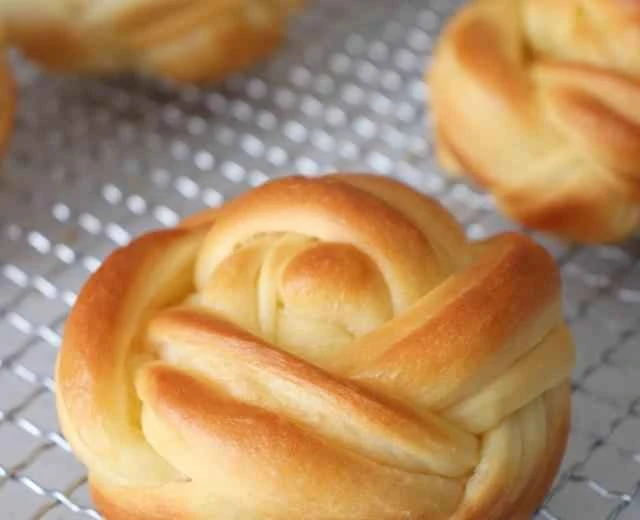
Beautiful as a flower | This buttery pull-apart bread smells amazing! Here are the steps to make it.
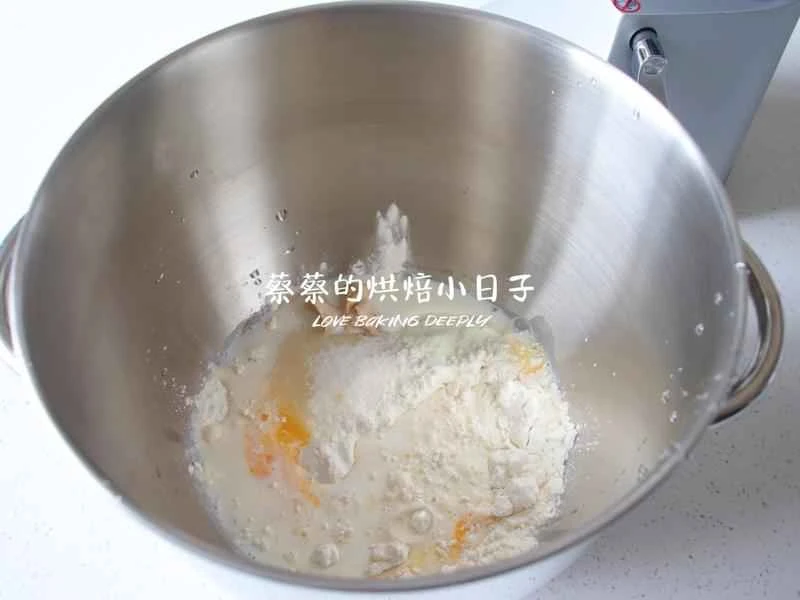
Place all ingredients except the butter into a stand mixer. If you are a beginner, you can reserve a little milk, because different brands of flour have different water absorption rates, and the temperature and humidity vary between the north and south. You can add milk as needed based on the state of the dough.
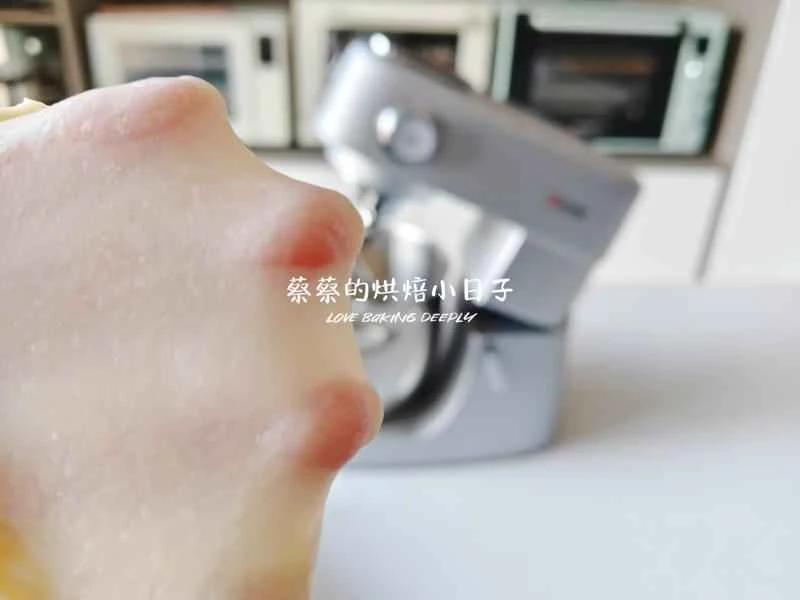
After kneading to the extended stage, add the butter and knead again until it reaches the windowpane stage, which has a balanced extensibility and elasticity.
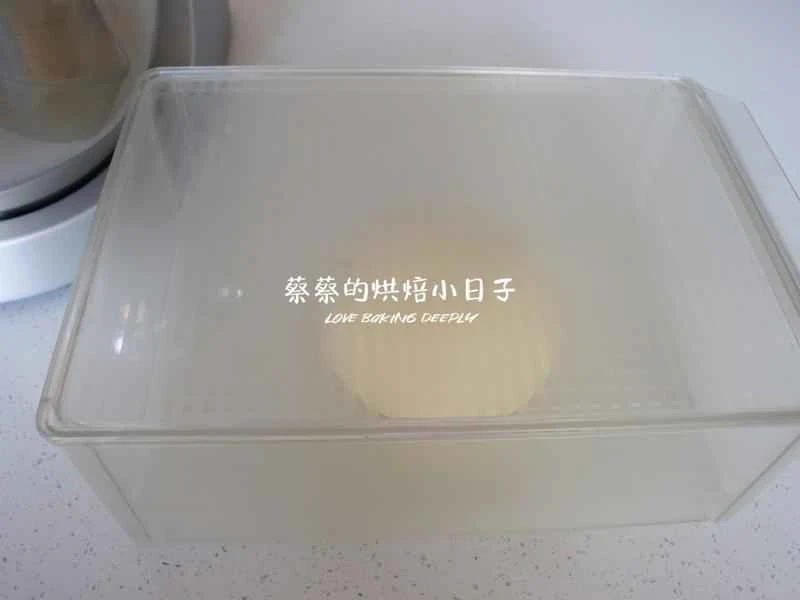
Roll the kneaded dough into a ball, place it in a proofing box, cover it, and let it rest in a warm place at 25-28 degrees Celsius for 20 minutes.
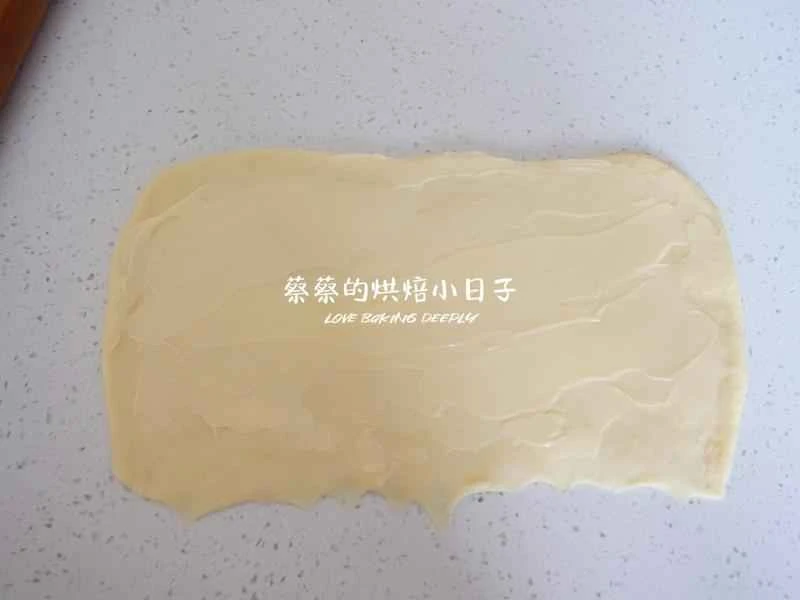
Take a relaxed dough ball and gently roll it out with a rolling pin into a large oval shape. After rolling it out, gently pat out the air bubbles around it, then gently flip it over so that the smooth side is down. When flipping it over, turn it in the same direction, and then roll it out slightly into a rectangle. Press the bottom edge thin, and spread softened butter at room temperature on it. Try to spread it evenly and thinly.
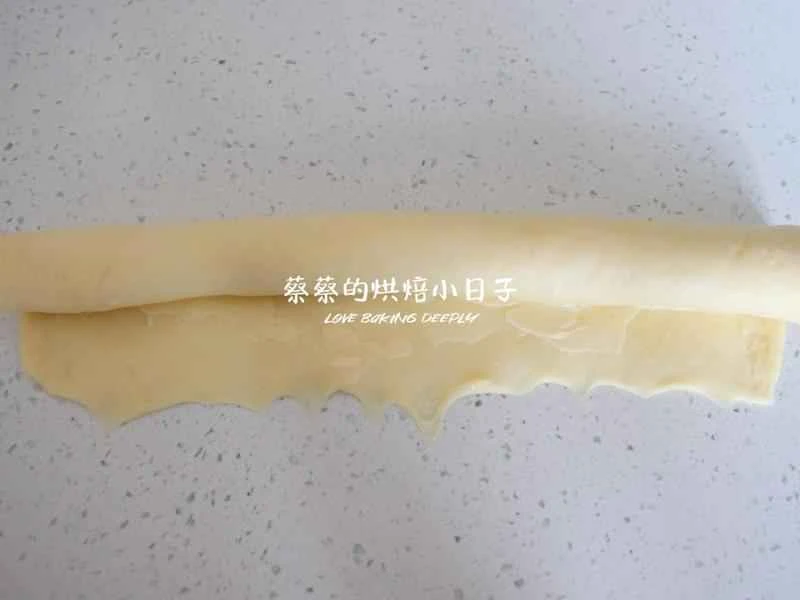
Roll it up from top to bottom.
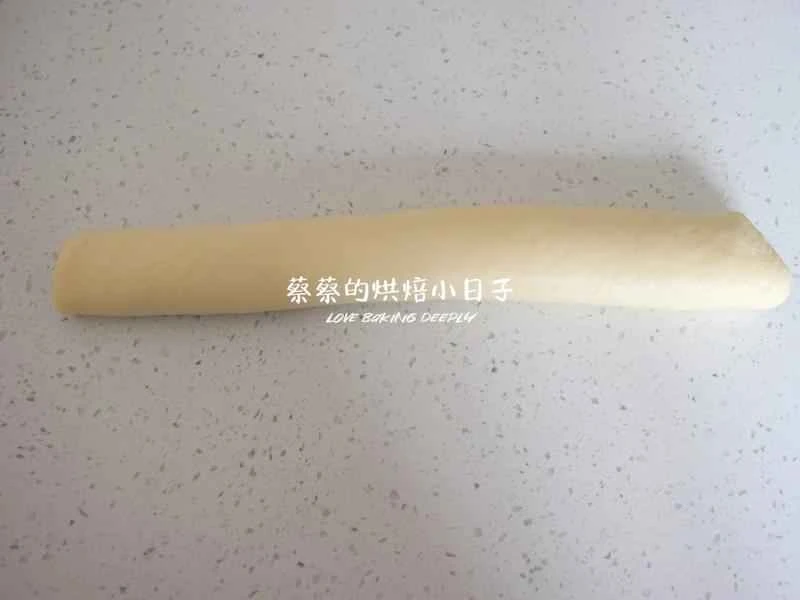
Pinch the opening closed and place it seam-side down.
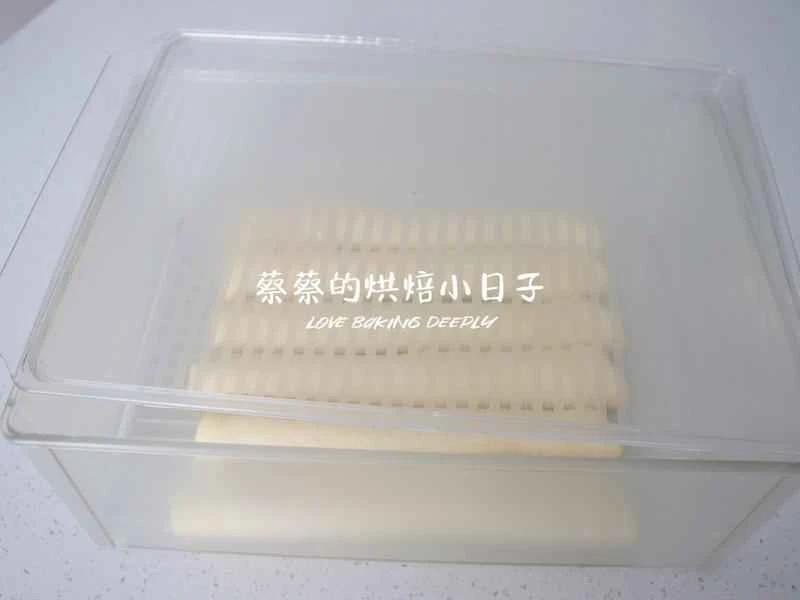
After shaping, put all the items into a fermentation box, seal it, and refrigerate for 30 minutes.
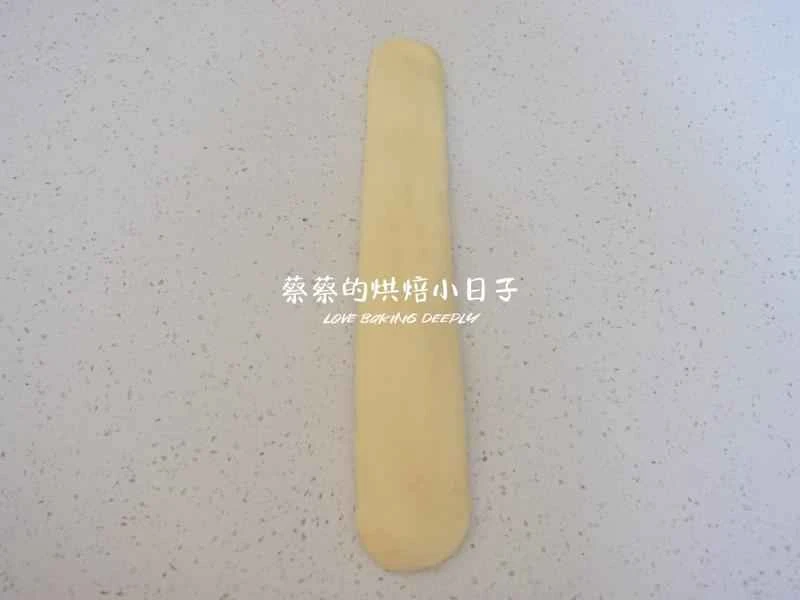
Take a chilled dough ball and roughly flatten it.
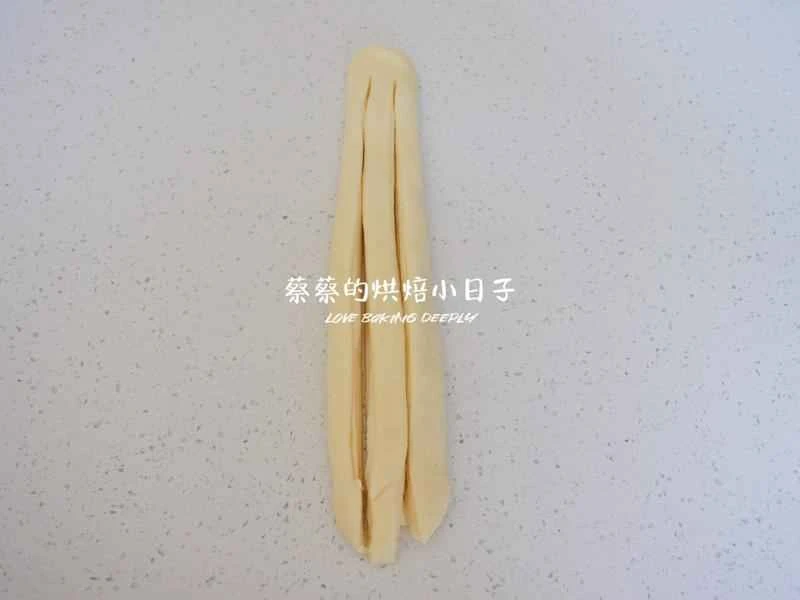
Cut twice with a sharp knife to divide it into three parts, but do not cut off the top.
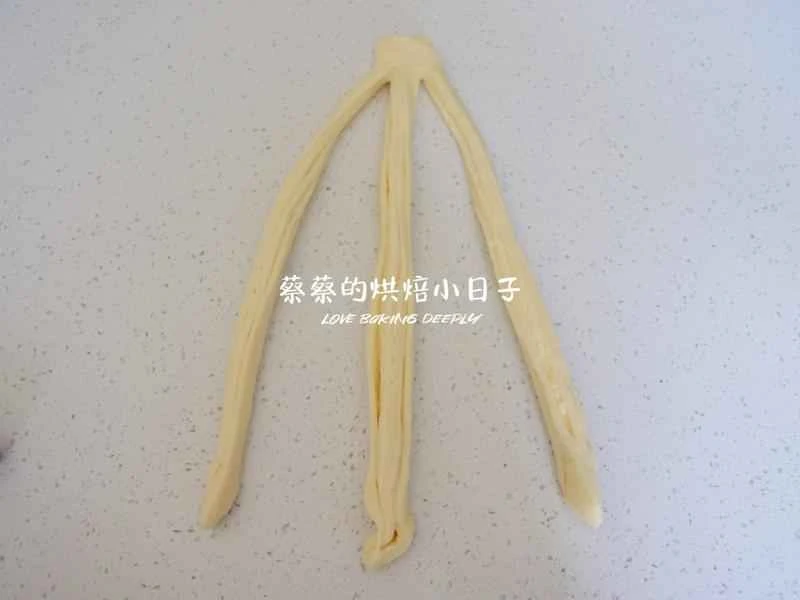
Turn the cut side up.
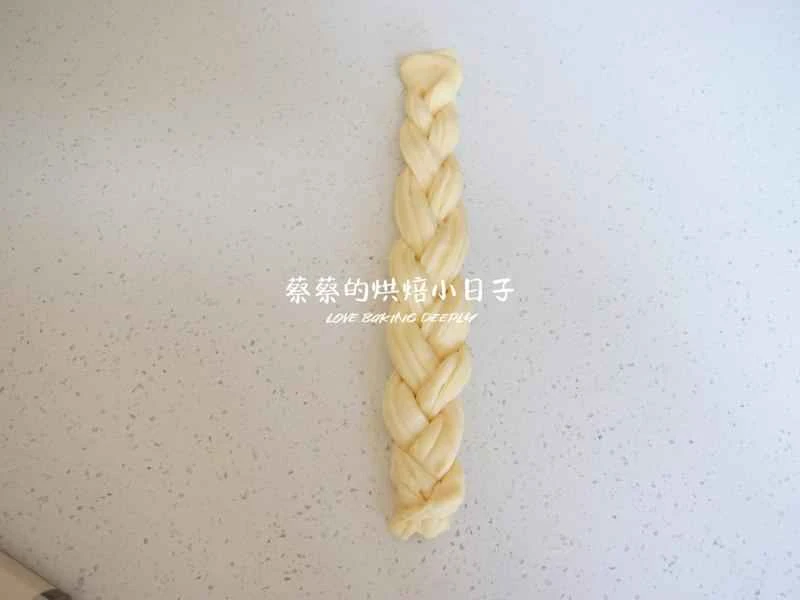
Braid it up, making sure the cut side is facing up.
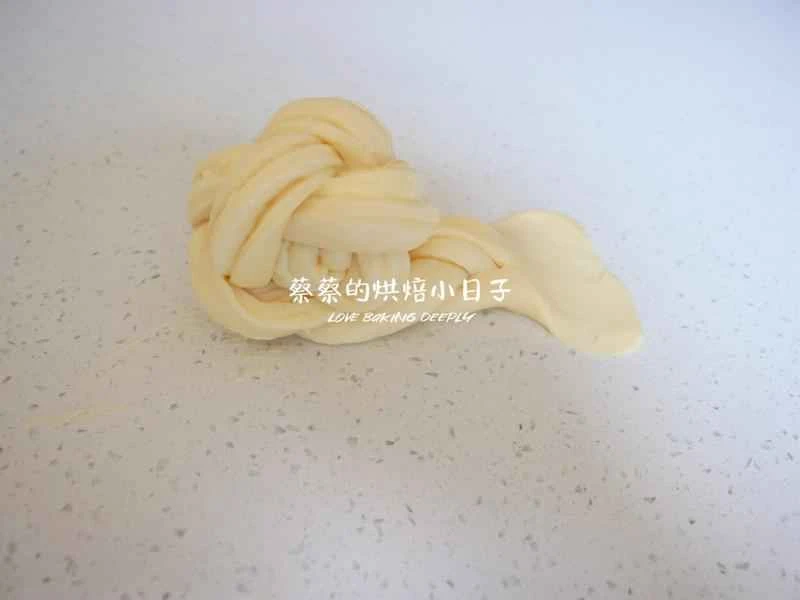
Roll it up from one end, and flatten the top slightly.
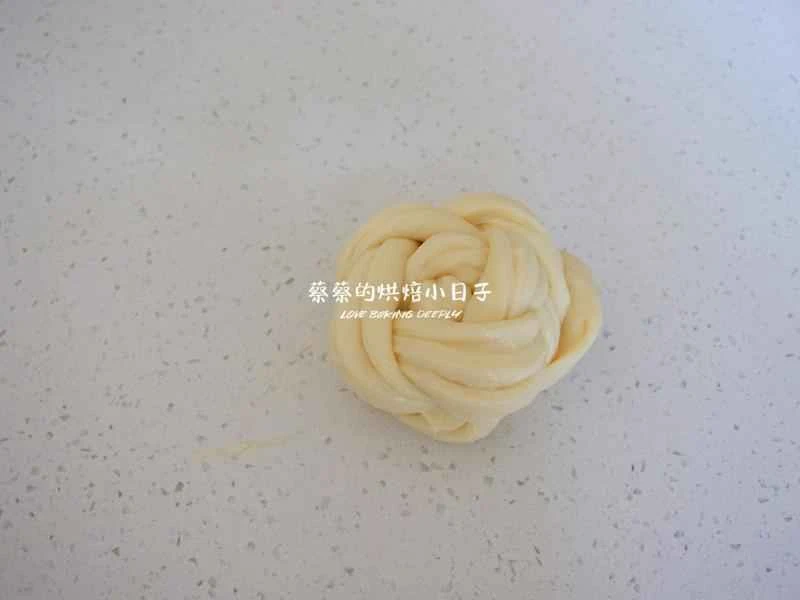
After flattening, press the top down a little to the bottom, and you're done shaping. You can watch the video if you're unsure.
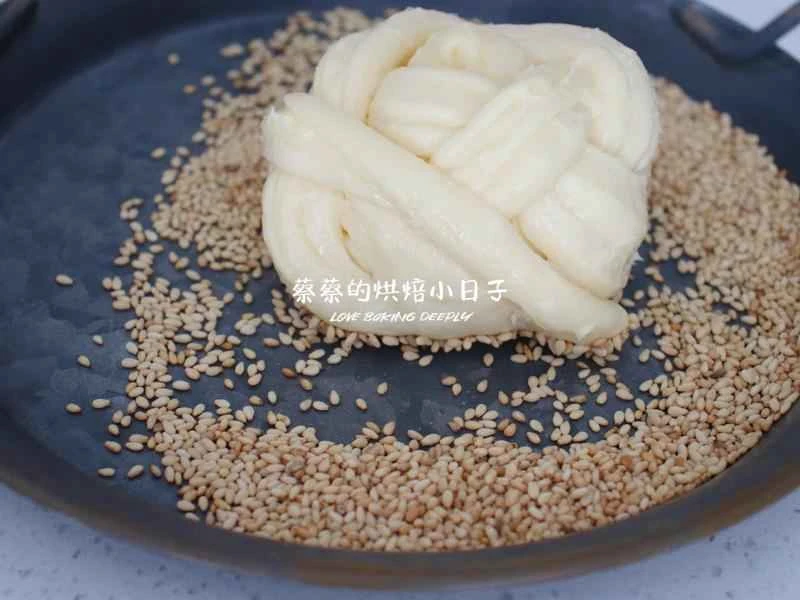
Sprinkle the bottom with white sesame seeds.
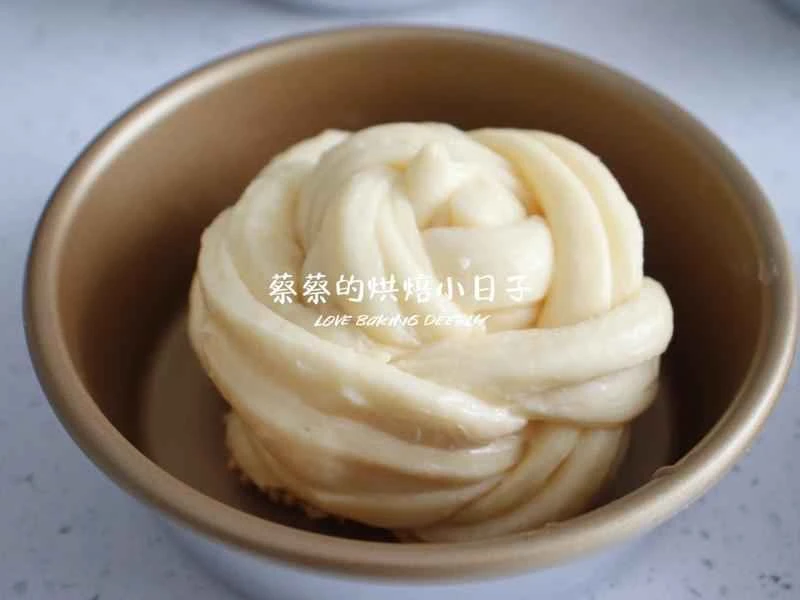
Place it into the hamburger round mold.
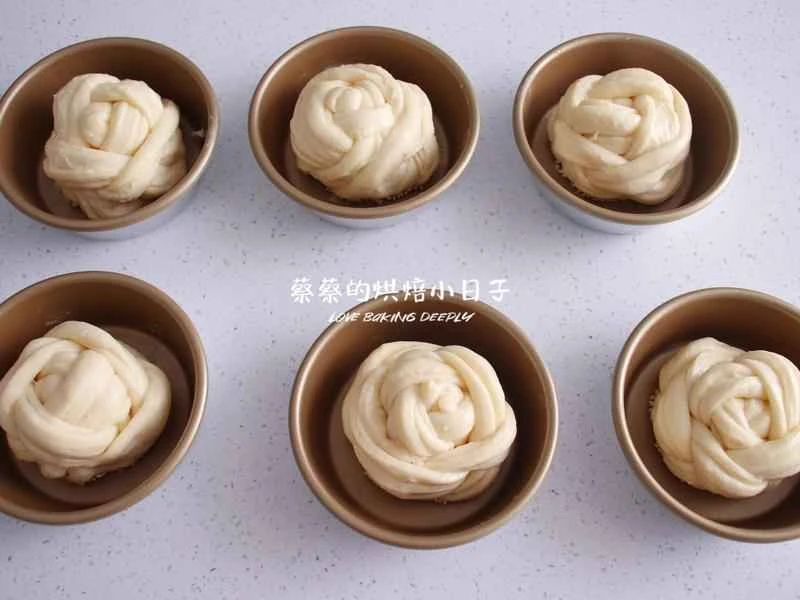
After shaping all the dough, place it in a proofing box for the second proofing, with the butter wrapped in the center. The proofing temperature should not be too high; set it to around 29-30 degrees Celsius and 80% humidity. If you don't have a proofing box, you can use an oven for the second proofing. Don't rely too much on the proofing temperature displayed on your oven, as the actual proofing temperature is usually much higher. Observe carefully to prevent it from spoiling. If your oven doesn't have humidity control, you can place a bowl of warm water inside to maintain approximate humidity. The proofing time is approximately 35 minutes, until it has risen to about 1.5 times its original size, with a smooth surface, and it will slowly spring back when gently pressed.
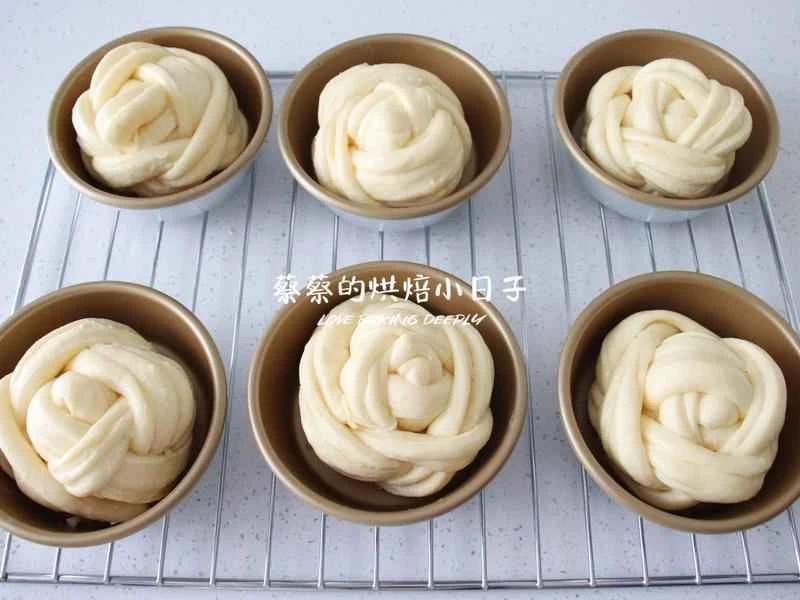
Fermentation time is approximately 35 minutes, until it has risen to about 1.5 times its original size, with a smooth surface, and it will slowly spring back when gently pressed. This time is for reference only; please observe the dough's condition carefully.
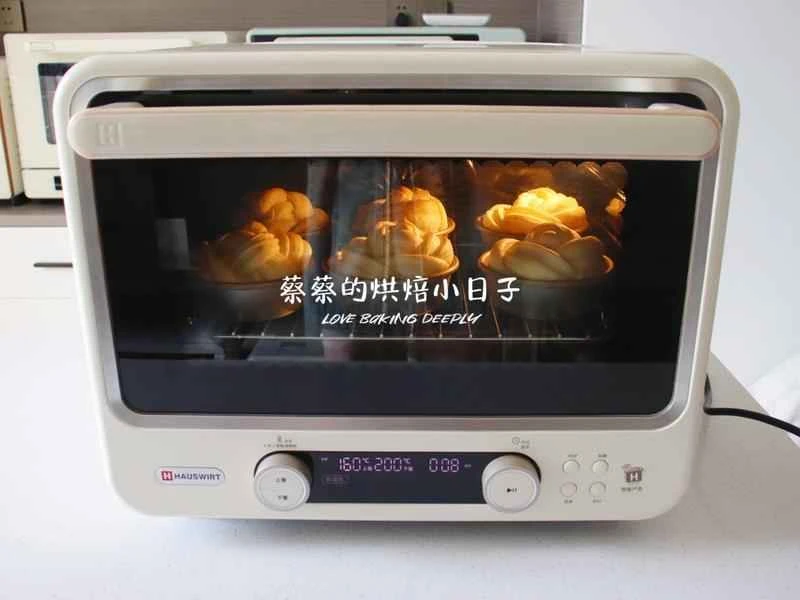
Place in a fully preheated oven at 160°C (top heat) and 200°C (bottom heat) for 20 minutes. The time and temperature are for reference only; adjust according to your oven.
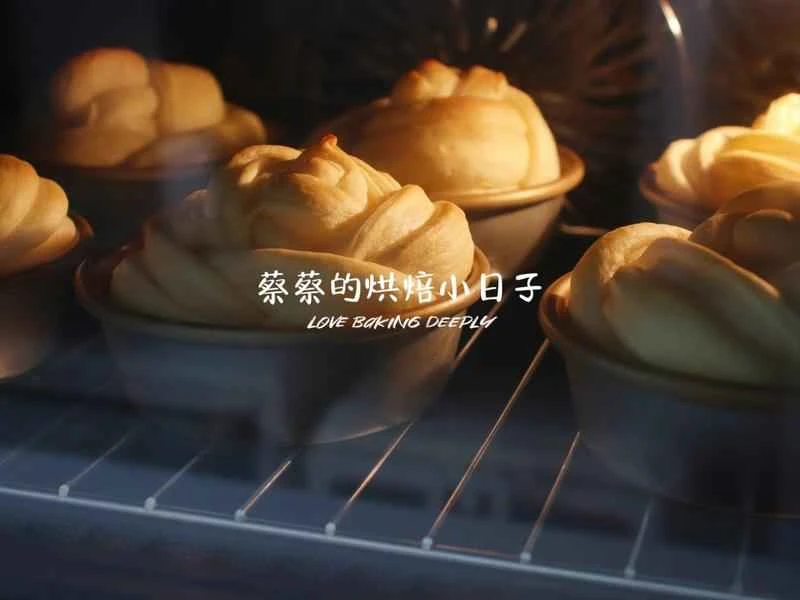
So pretty!
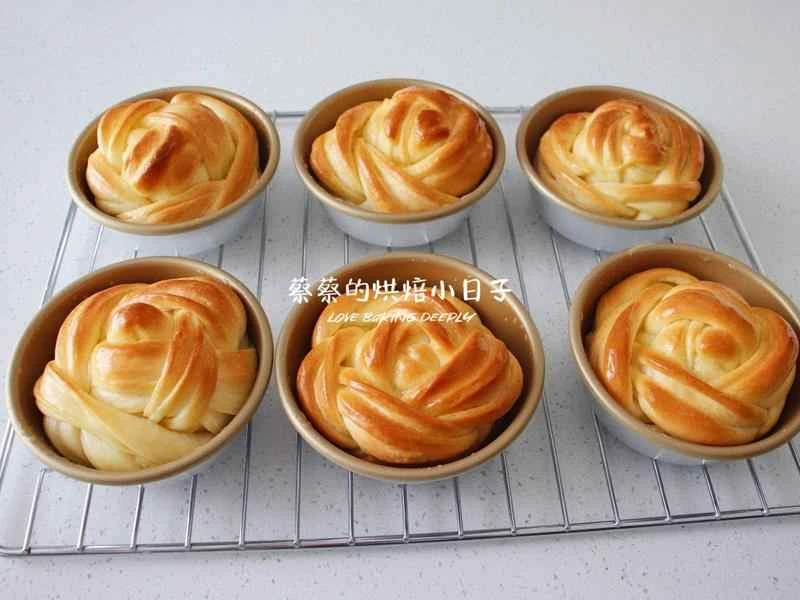
After baking, brush the surface with melted butter while it's still hot.
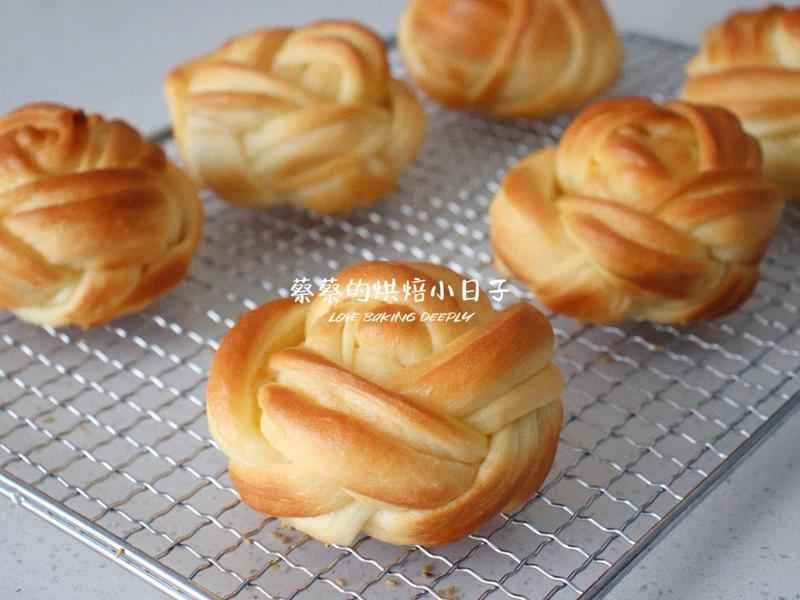
Demold and cool on a cooling rack until slightly warm, then pack and seal for storage.
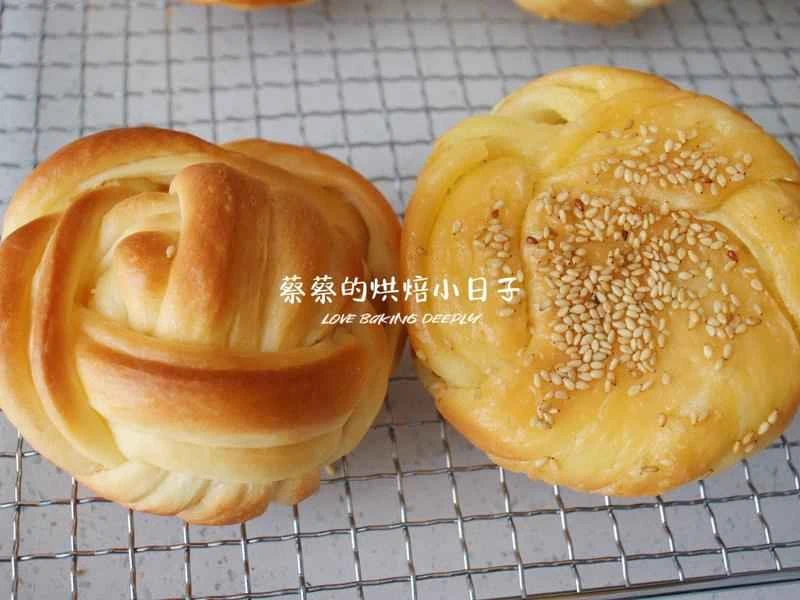
The sesame seeds at the bottom, along with a little bit of oozing butter, become crispy and fragrant after baking!
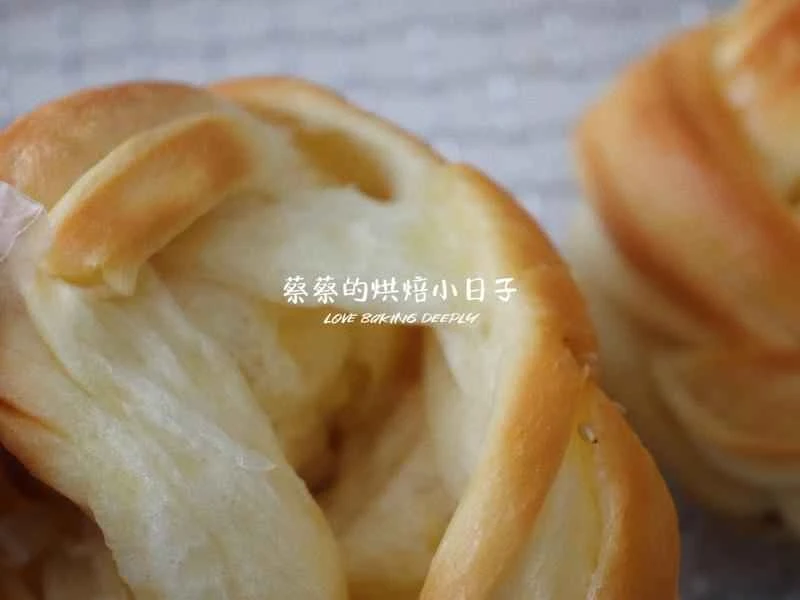
It's soft and stretchy, avoiding the tedious steps of puff pastry, and it's incredibly satisfying to tear and eat.
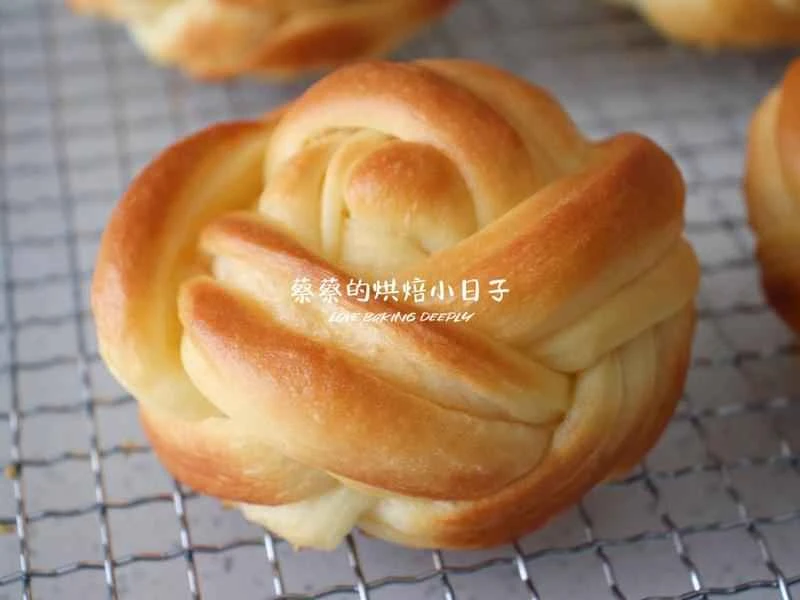
Just like yellow roses in spring~
Beautiful as a flower | This buttery pull-apart bread is so fragrant it's intoxicating! Tips
Many friends have asked: "I followed the recipe exactly, why is mine too wet? Why is mine too dry? Why... why..." When making bread, you must be flexible with the amount of liquid in the recipe because flour absorbs water differently, and the climate, temperature, and humidity vary from north to south. You must observe the state of the dough and add liquid accordingly. This is a well-worn topic! Adjust the time and temperature according to your own oven. There is a big difference between large and small ovens, and even two identical ovens from the same brand will have temperature differences.