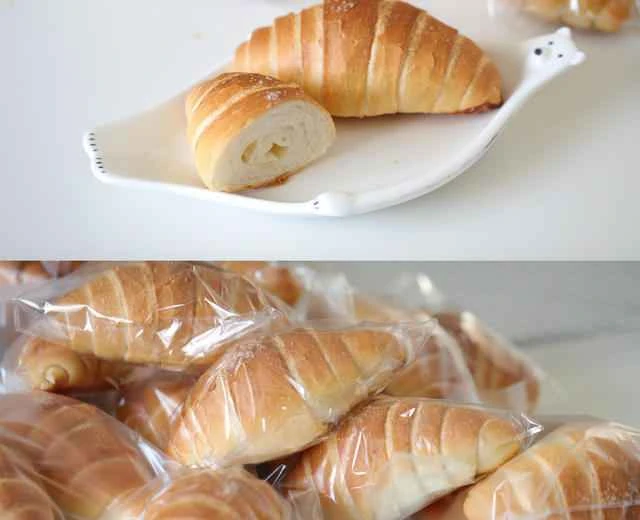
Crispy on the outside and savory on the inside, this crispy salt bread is so delicious! The crackling sound and aroma as it comes out of the oven are irresistible. It's just so good! Today's salt bread dough has been slightly adjusted, with increased water content but still less oil and sugar. I recommend refrigerating or freezing it to relax the dough, which will make shaping much easier. You definitely have to try it! Notes: ① Prepare the starter dough in advance [How to make the starter dough] ② You can use your own bread flour. If you don't have French flour, you can use a 7:3 ratio of high-gluten to low-gluten flour. The brand notes are just for reference. Remember to adjust the water amount according to your flour.
Materials
Crispy Salt Bread 2.0 Recipe Steps
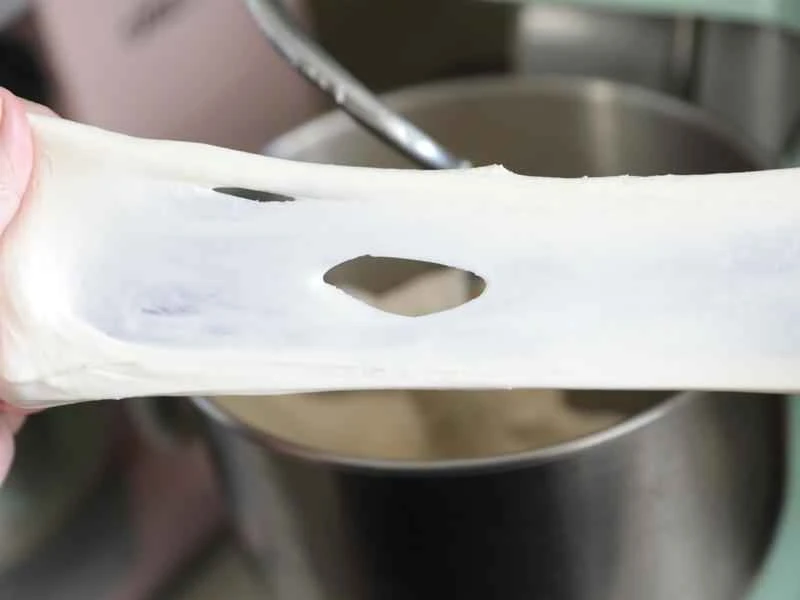
Combine all ingredients except the butter in the dough ingredients and place them in the mixing bowl of a stand mixer. Set the timer for 12 minutes. Mix on low speed (1 or 2) for half a minute, until no dry flour remains, then increase the speed to 5. After about 6-8 minutes, the gluten will gradually develop as you mix.
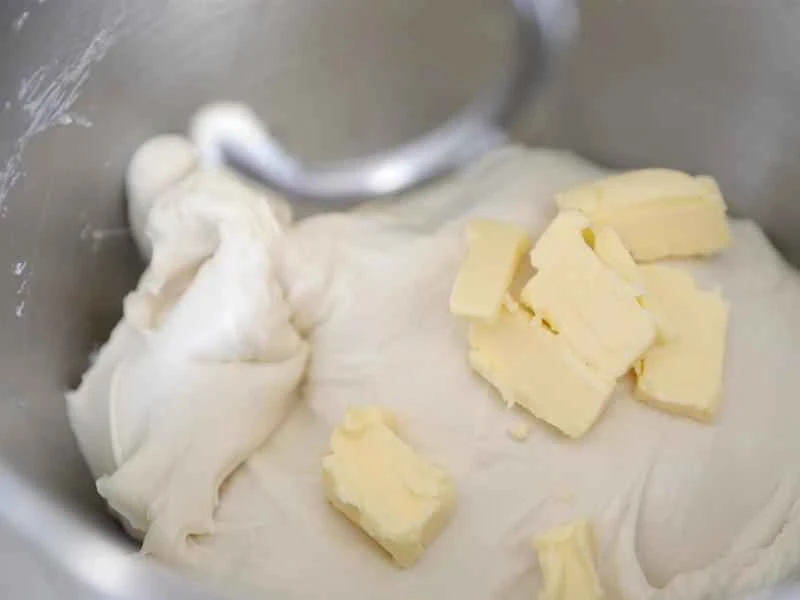
Add softened butter
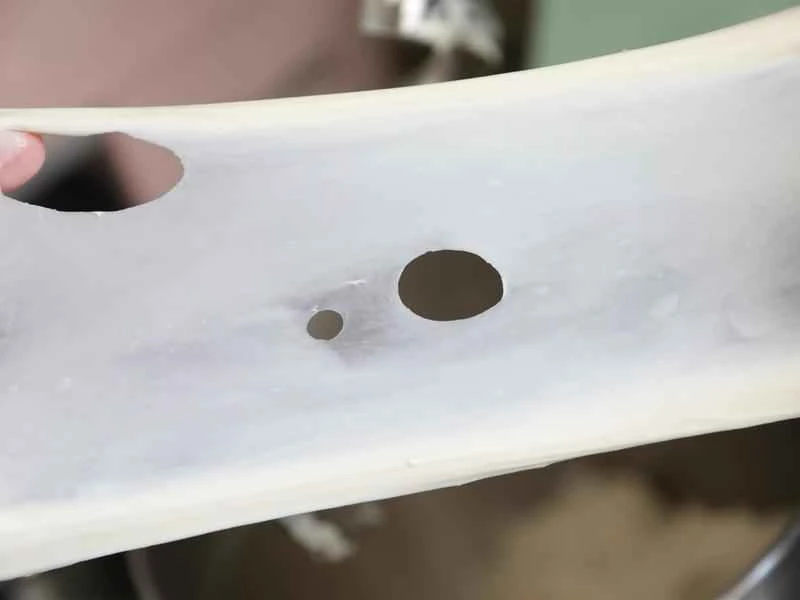
Gradually knead the butter into the dough using speed setting 3. Then switch to speed setting 5-6 and continue kneading until the dough can be stretched into a smooth, elastic film.
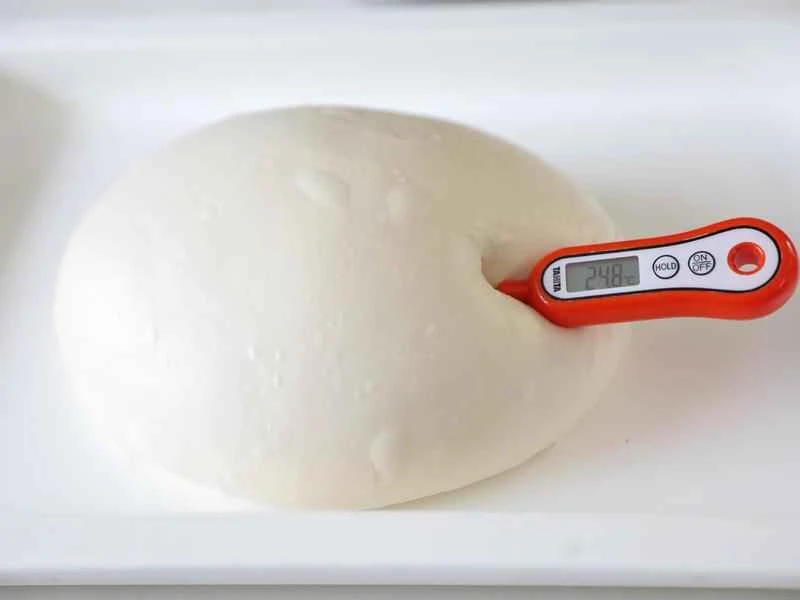
Remove and prepare the dough, ensuring the surface temperature is between 24-26 degrees Celsius. Place it in a container, cover it, and let it undergo primary fermentation in an environment of 25-28 degrees Celsius.
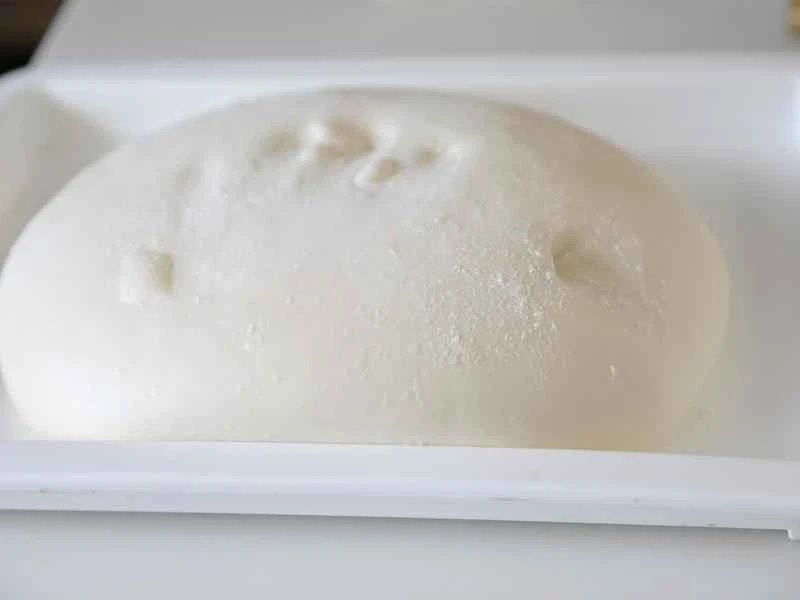
It takes about 50 minutes to ferment until it doubles in size.
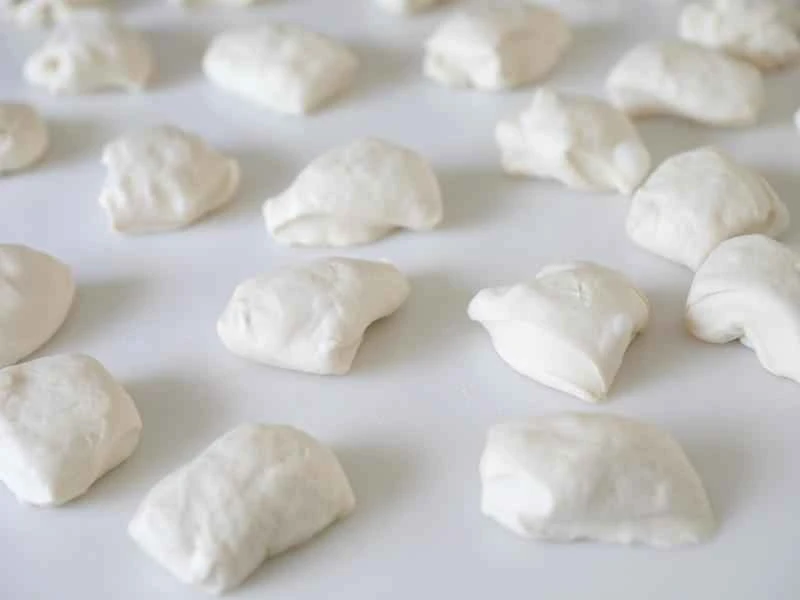
Take out the fermented dough and divide it into approximately 65g portions.
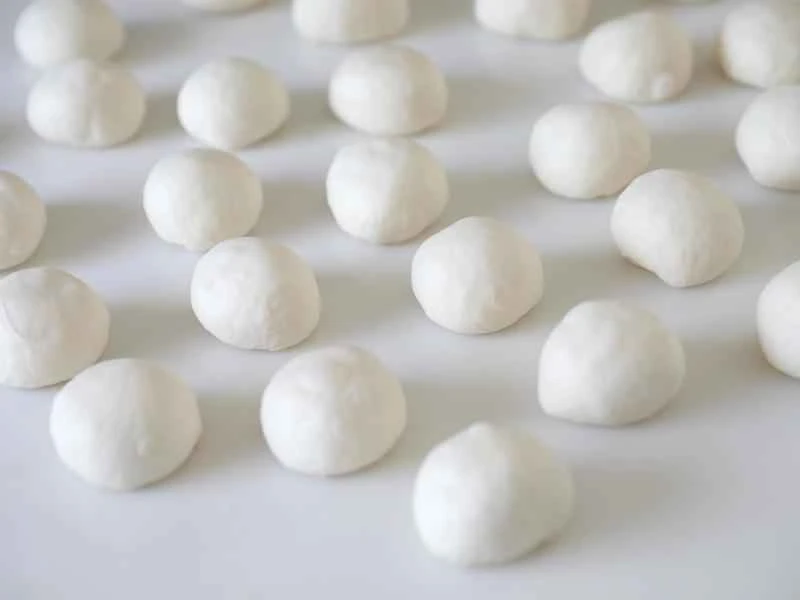
After rolling into a ball, cover and refrigerate for 25-35 minutes to relax. If using a fermentation box at 25-26 degrees Celsius, relax for about 15-20 minutes.
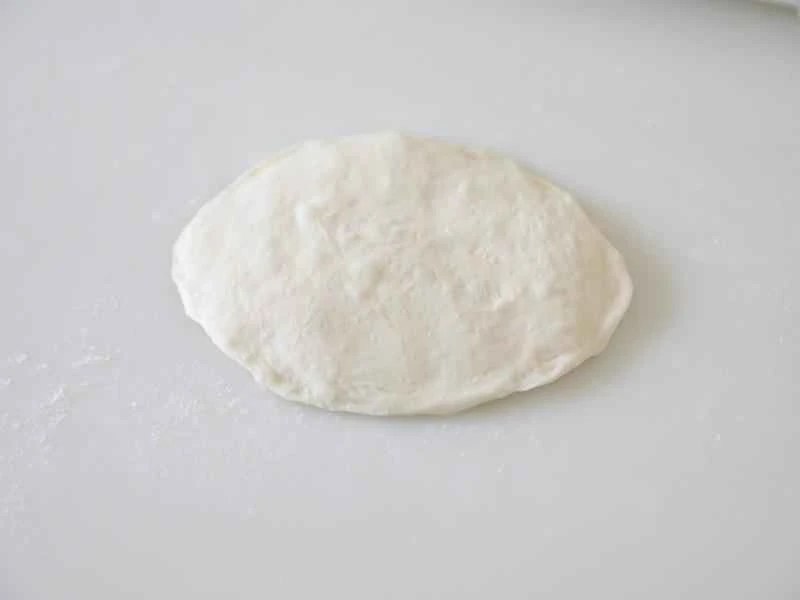
Take out the relaxed dough and flatten it.
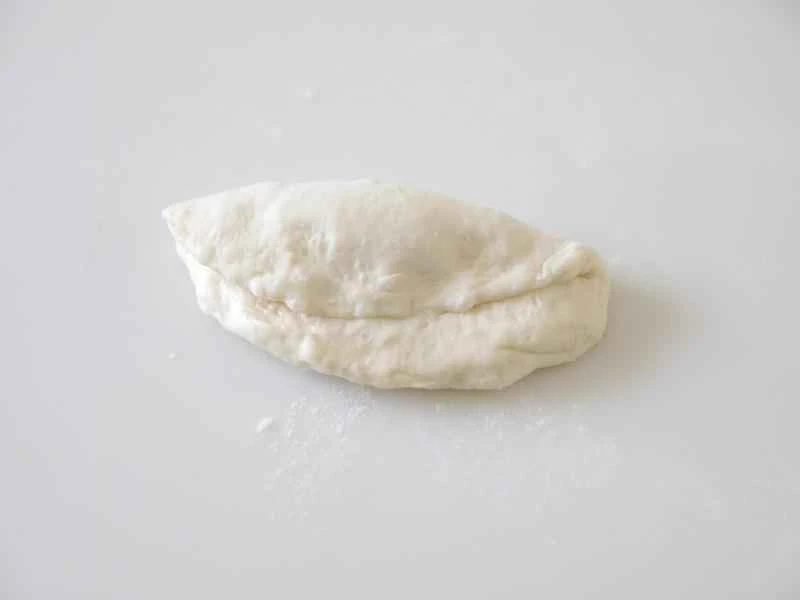
Fold it up as shown in the picture.
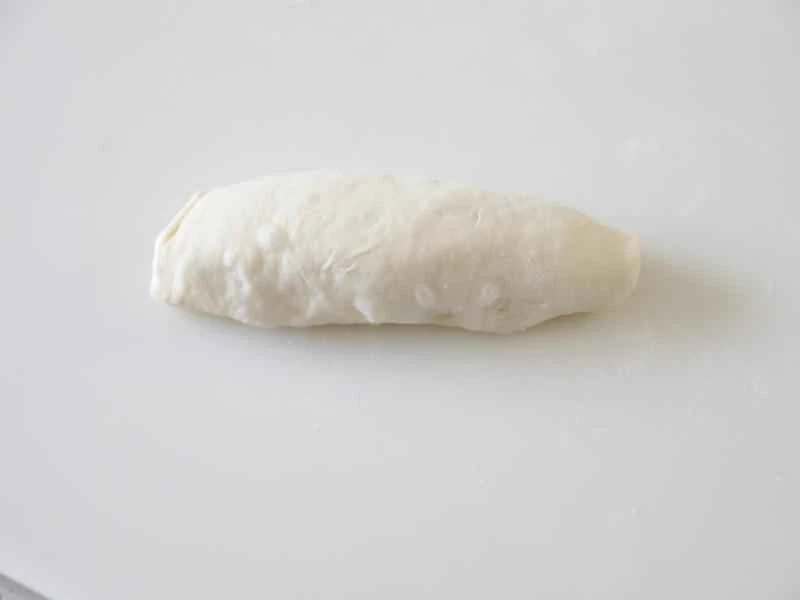
Shaped like this, thick at one end and thin at the other.
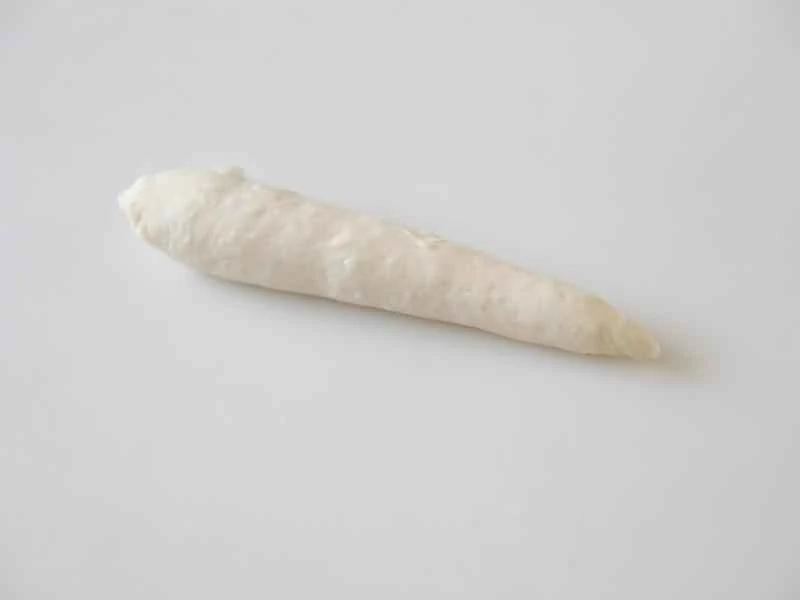
Continue to sharpen the thinner end.
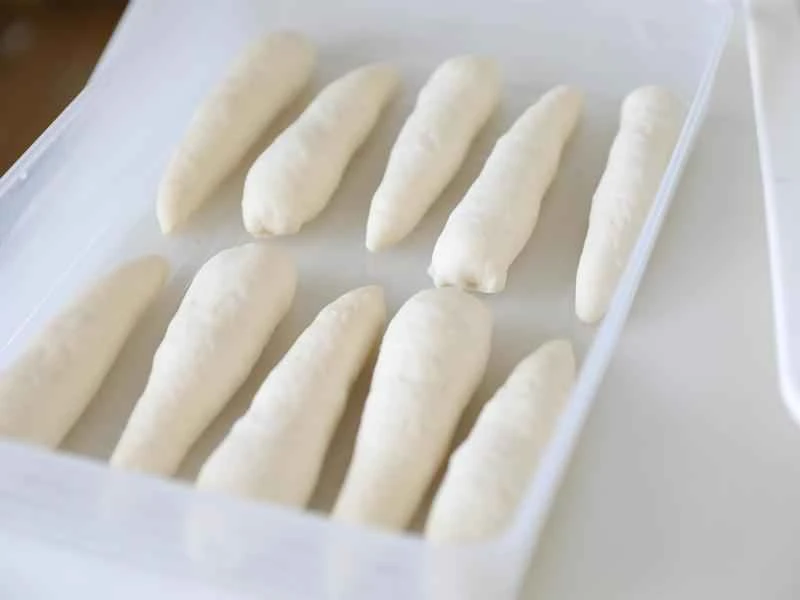
Seal each portion and refrigerate for at least 30 minutes to relax. Note: If you are working on the next day, you can prepare the dough on the afternoon of the first day, put the teardrop-shaped dough prepared in this step into the freezer, freeze it for about 1-2 hours until it is hard, then transfer it to refrigerate at 2-4 degrees Celsius. On the second day, after it has slightly warmed up and regained its elasticity, you can shape it.
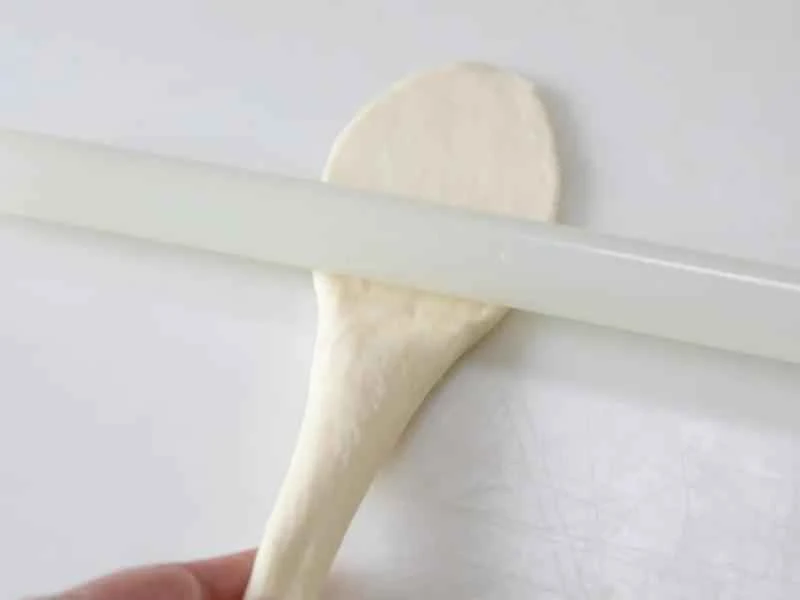
Roll out the relaxed teardrop-shaped dough into an elongated triangle. While rolling, start from the 1/3 mark of the dough and roll upwards and downwards.
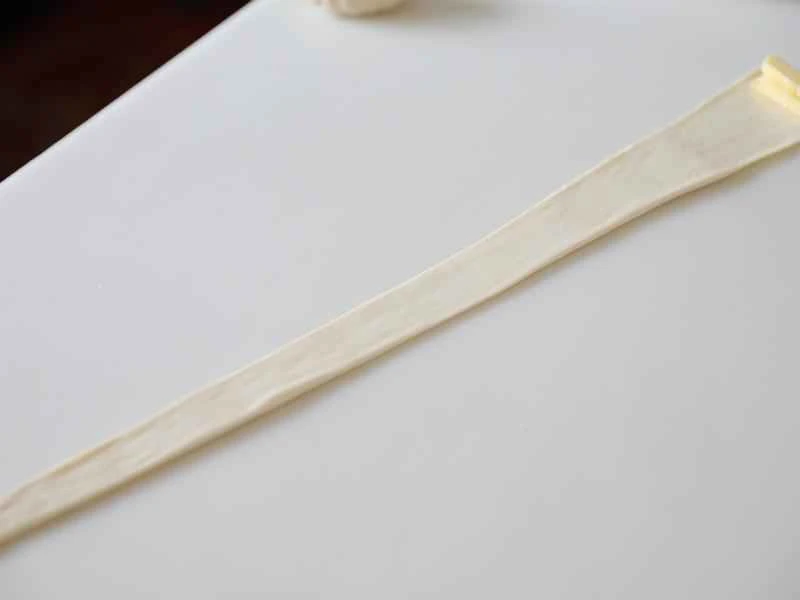
While rolling downwards, gently hold the end with your left hand and slowly roll downwards with the rolling pin. Flip it over, roll it out again into a long triangle, and wrap the butter inside.
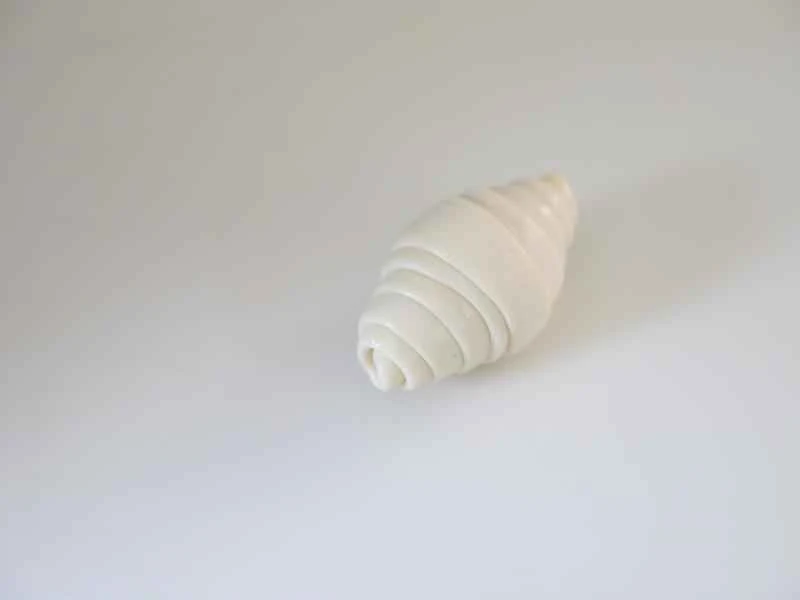
Roll it up from top to bottom, with the seam at the bottom.
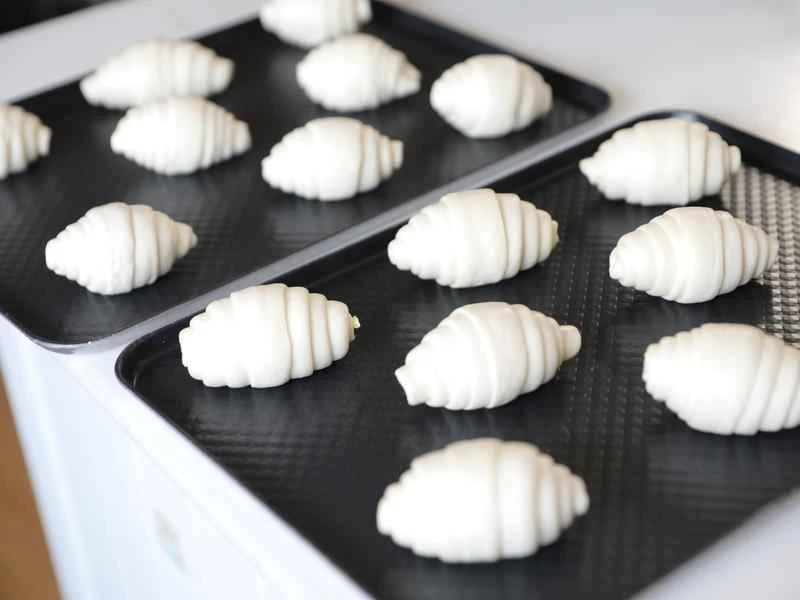
Do it in order
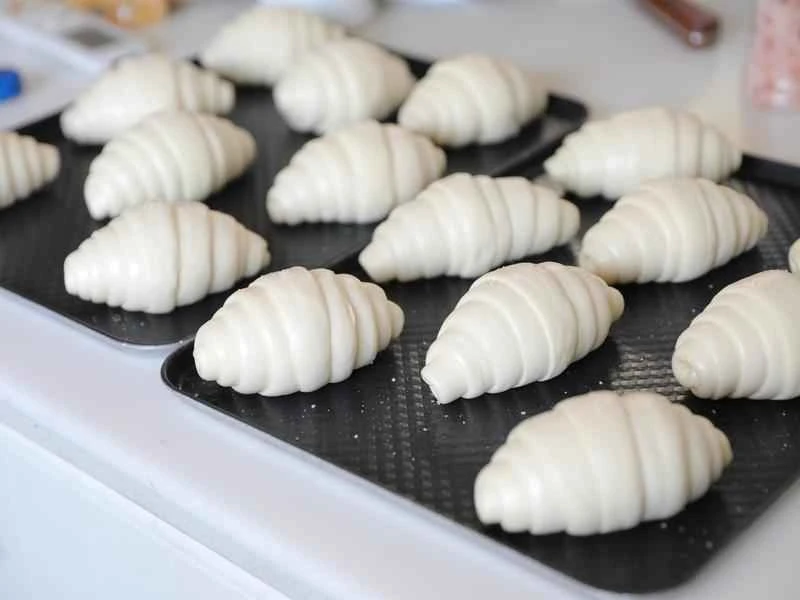
Ferment at 28-30℃ and 80% humidity until approximately doubled in size. After fermentation, decorate the surface with a small amount of coarse sea salt.
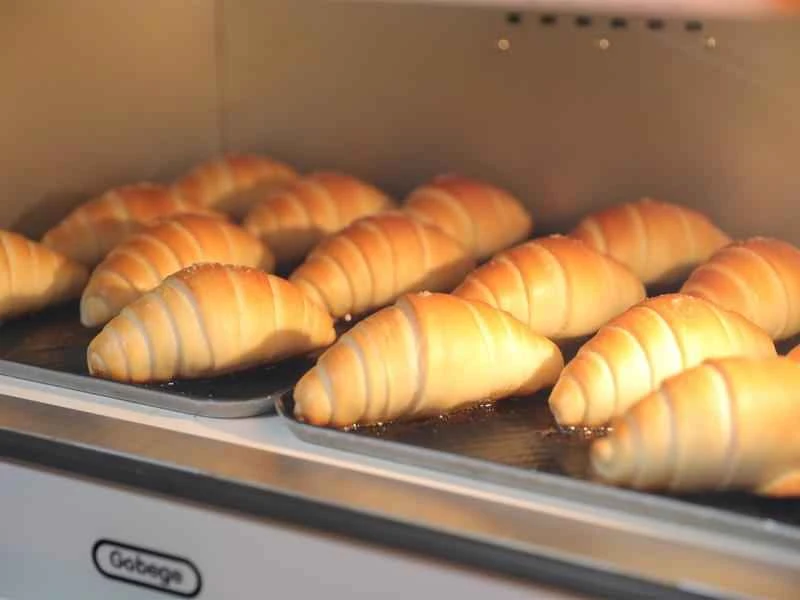
E9 oven, steam for 6 seconds after placing in the oven, bake at 240 degrees Celsius top and 185 degrees Celsius bottom for about 16 minutes;

For the S80 fourth-generation convection oven, it is recommended to preheat to 220 degrees Celsius. Before placing the dough in the oven, spray the surface with water, then bake at 200 degrees Celsius for 15 minutes.

After shaking the mold, demold and let it cool.

Open-hearth furnace on the left, blast furnace on the right

Store in an airtight freeze. When ready to eat, spray with water and reheat for three to five minutes. You can use various small ovens, air fryers, etc.