Choy sum, also known as Chinese cabbage or flowering cabbage, is a variety of bok choy and is hailed as the "king of vegetables " due to its high nutritional value and excellent flavor. So how is choy sum planted and managed? Let's find out below.
1. Select superior varieties
There are many varieties of Chinese cabbage, and the choice of variety should be based on the local climate and planting time. There are the most early-maturing varieties, with No. 4920 being the most popular. Mid-maturing varieties include 60-day Teqing and 60-day Baoqing. There are fewer late-maturing varieties, with March Chinese cabbage being the most common.
2. Land preparation and fertilization
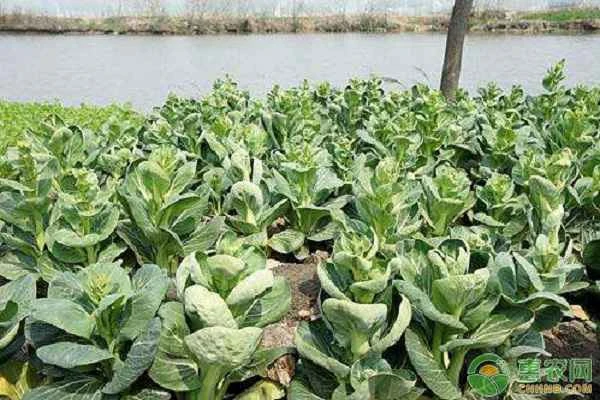
When planting Chinese cabbage, avoid choosing plots that have been continuously cropped with closely related vegetables or have been planted in the same field repeatedly. Before sowing, remove the crop residues from the previous crop and allow the soil to dry in the sun, depending on the weather. Then, depending on the soil fertility, apply 5-15 kg of quicklime and approximately 100 kg of calcium magnesium phosphate fertilizer per acre, and deep plow the land. Finally, apply 600 kg of well-rotted chicken manure or 10 kg of high-nitrogen compound fertilizer .
3. Ridging
After fertilizing, turn the soil over and harrow it to mix the fertilizer evenly. Make ridges 1.2 to 1.3 meters wide and level the ridge surface. The ridge surface should not be too wide, otherwise it will be difficult to thin the seedlings later.
4. Sowing
Chinese cabbage can be directly sown from dry seeds, or treated with a seed dressing agent , but the seeds must be dried before sowing. The seed quantity per acre is generally 450-600g. Sowing should be even and appropriately sparse. Overcrowding can easily lead to excessive seedling growth, severe diseases, premature bolting, and negatively impact appearance and yield. After sowing, water thoroughly and cover with a shade net. Seedlings will emerge in 24-36 hours. Once 70% of the seeds have germinated and rooted, remove the shade net to prevent birds from consuming the seeds.
5. Thinning and fixing seedlings
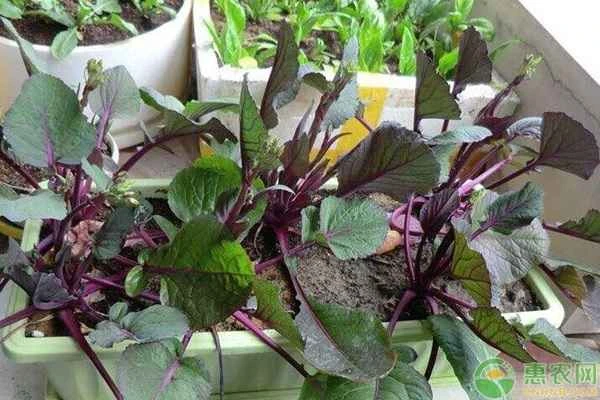
After the seedlings emerge, when they have 1-2 true leaves, they should be planted evenly and densely. When they have 2-3 true leaves, a small amount of quick-dissolving fertilizer can be applied and watered. When they have 3-4 true leaves, the seedlings should be thinned out. Machine-sown varieties can be thinned out in one go. Early-maturing varieties can be transplanted in summer with a row spacing of 6-10 cm, mid-maturing varieties with a row spacing of 8-10 cm, and late-maturing varieties with a row spacing of 5-6 cm.
6. Fertilizer and water management
Generally, Chinese cabbage needs watering once a day on sunny days, and twice a day during hot seasons to keep the topsoil moist. Avoid watering at midday; misting is preferable. During the entire growing season, apply a 0.5%–1% high-nitrogen, fast-dissolving micronutrient compound fertilizer 2–3 times, rinsing with clean water after each application. Stop fertilizing one week before harvest.