Many people have misconceptions when growing tomatoes , leading them to deviate from correct planting methods and affecting both yield and quality. So, what are some things to avoid when growing tomatoes ? Let's find out below.
1. Avoid applying fertilizers containing chlorine.
The most dangerous type of fertilizer to apply when growing tomatoes is one containing chlorine, such as potassium chloride and ammonium chloride. Tomatoes are sensitive to chlorine; applying chlorine can lead to difficulty in germination or poor growth.
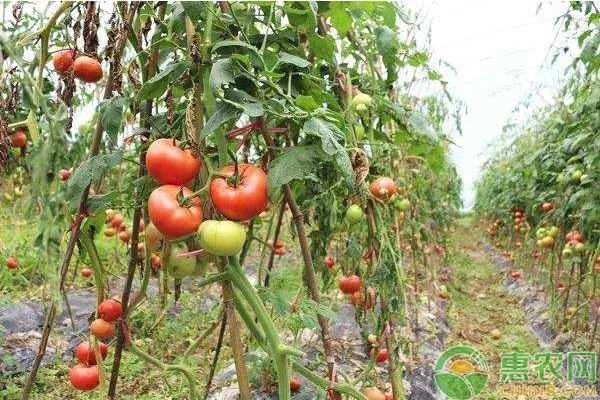
2. Avoid consecutive plantings.
Continuous cropping of tomatoes can easily lead to a large accumulation of pathogens and pests in the soil, causing widespread outbreaks of tomato diseases and pests, especially exacerbating various soil-borne diseases. The best approach is to adopt a crop rotation system of water and dryland farming.
3. Avoid excessive application of nitrogen fertilizer.
The biggest mistake in growing tomatoes is over-fertilizing with nitrogen. While tomatoes need a lot of nitrogen throughout their growth cycle to promote healthy plant development, excessive nitrogen can lead to overly vigorous growth, negatively impacting fruit development and quality. Therefore, it's crucial to control nitrogen application while also providing appropriate amounts of phosphorus and potassium fertilizers to promote healthy plant growth and fruit development.
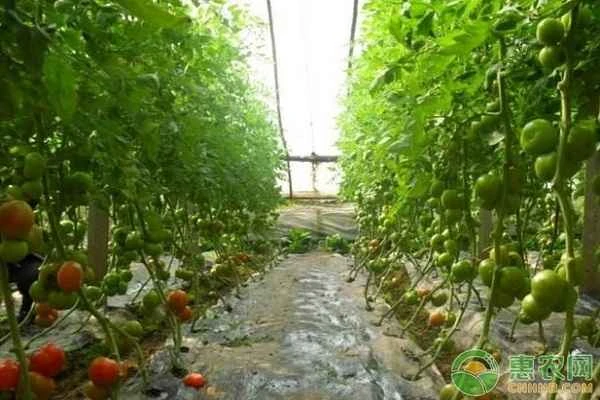
4. Avoid excessive leaf removal.
Leaves are the organs through which crops perform photosynthesis, which is the main source of crop yield. If leaves are excessively removed, the supply of photosynthetic products will be insufficient, resulting in small or deformed fruits, affecting both quality and yield. Generally, tomatoes should have plenty of leaves without being overcrowded, with 2-3 functional leaves retained on each tomato cluster to provide shade and nutrient supply .
5. Avoid flooding.
Tomatoes have a relatively aerated root system and are drought-tolerant but not waterlogged-tolerant plants. Frequent overwatering, leading to excessive soil moisture, not only easily causes various diseases but also affects self-pollination and fertilization. The correct approach is to combine local rainfall conditions with proper watering, ensuring adequate drainage and avoiding overwatering, and generally watering frequently with small amounts.