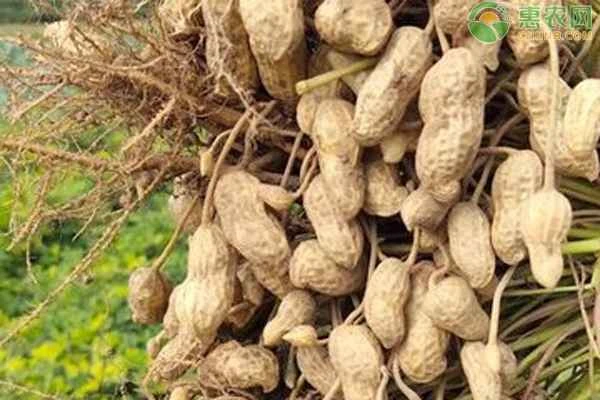
Peanuts can be eaten raw like dried fruit and are commonly known as "longevity fruit." They are one of the most important crops in China, with a wide range of uses and are cultivated in many regions. So, what is the best month to plant peanuts? Let's find out below.
What month is the best to plant peanuts?
The planting time for peanuts differs between the south and the north. In South China, it is from mid-February to mid-March; in Central China, it is from mid-March to mid-April; and in North China, it is from mid-April to mid-May.
Precautions for peanut planting
1. Temperature
Peanuts are a warm-season crop, so temperature conditions must be carefully considered when planting them. The optimal temperature for spring peanut sowing is around 12℃, the optimal temperature for flowering is 23-28℃, and the minimum temperature is 19℃.
2. Seed dressing
Peanut seeds must be treated before sowing to prevent underground pests such as grubs and mole crickets from eating them, which can cause the peanuts to fail to germinate or die. Suitable seed treatment agents include imidacloprid, fipronil, or chlorpyrifos.
3. Density
Peanut planting requires careful attention to planting density, which is determined by plant height, fruiting area, and leaf area. The optimal planting density varies depending on climate, soil fertility, variety selection, and cultivation conditions. For spring-sown small peanuts, the recommended planting density is 9,000-10,000 holes per acre for double-seed planting and 14,000-15,000 single-seed planting per acre. For spring-sown large peanuts, the recommended planting density is 8,000-9,500 holes per acre for double-seed planting. For summer-sown large peanuts, the recommended planting density is 9,500-12,000 holes per acre for double-seed planting and 15,000-17,000 single-seed planting per acre.
4. Depth
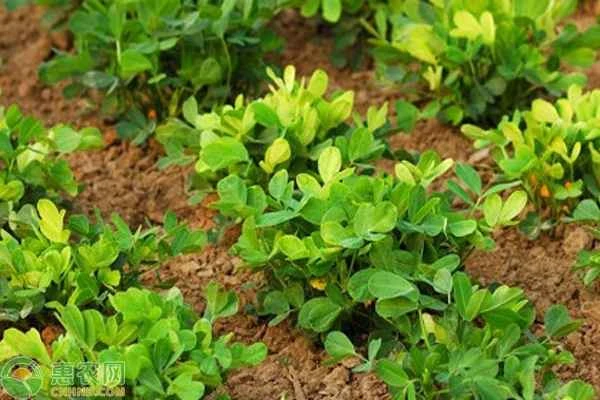
The ideal planting depth for peanuts is 5 cm. However, the planting depth should be determined based on the soil type and moisture content. If the soil is sandy and the moisture content is poor, the planting depth should be increased. If the soil is clayey and the moisture content is good, the planting depth can be increased slightly, but it should not be less than 3 cm.
5. Suppression
Post-sowing compaction is a successful method for ensuring full seedling emergence in drought-resistant peanut planting. Compaction reduces soil moisture evaporation, ensures close contact between seeds and soil, promotes the rise of moisture from the lower soil layers, prevents seeds from drying out, and facilitates seed germination and seedling emergence.