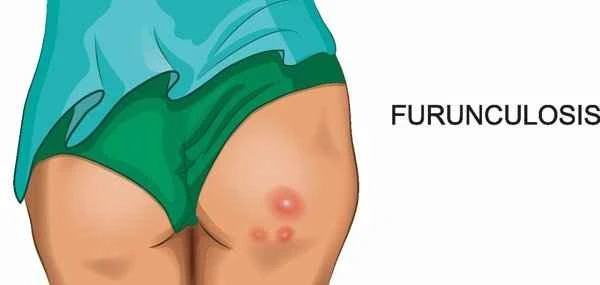
Determining whether a scar is hypertrophic involves observing whether it becomes abnormally prominent, red, swollen, or hard. This assessment is crucial because hypertrophic scars not only affect appearance but can also cause discomfort and even impair joint mobility. Timely identification of hypertrophic scars facilitates early intervention and prevents further deterioration.

To determine whether a scar is hypertrophic, it's essential to understand the natural growth process of scars. Normally, a wound heals to form a flat, soft scar. Hypertrophic scars, however, continue to grow after the wound has healed, extending beyond the wound's surface to form a raised, red or purple lump. These scars not only appear abnormal but may also be accompanied by symptoms such as pain, itching, or tenderness. Observing changes in the scar's color, hardness, and size can provide a preliminary indication of whether the scar is in a hypertrophic state.
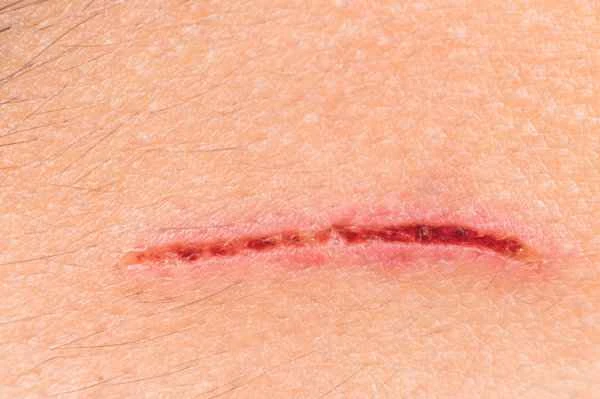
In practice, if a scar darkens in color, increases in hardness, or expands beyond the wound area, it may indicate that scar hyperplasia is occurring. In this case, prompt medical attention is necessary for further evaluation and treatment by a professional physician. It's important to note that the degree and type of scar hyperplasia vary from person to person; therefore, it's crucial to avoid over-interpreting the situation and maintain an objective attitude. Furthermore, one should be wary of products or methods that claim to completely eliminate scar hyperplasia, as these often lack scientific basis.
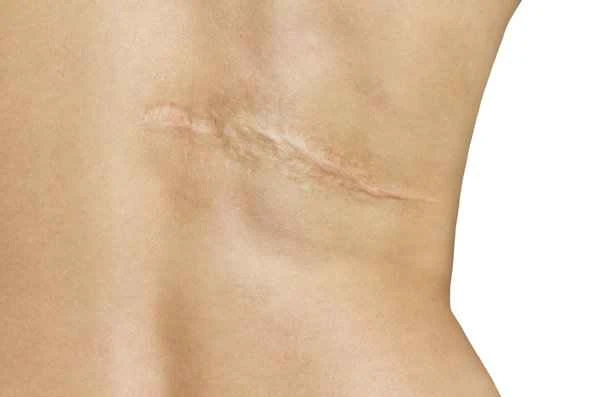
【Useful Tips:】
1. Pay attention to changes in the color of the scar. If it turns red or purple, it may be a sign of hyperplasia.
2. Touch the scar to feel its firmness. If it feels abnormally hard, it may be a sign of hyperplasia.
3. Measure the size of the scar. If the scar extends beyond the wound area, it may be hyperplasia.
4. If the scar is accompanied by symptoms such as pain, itching, or tenderness, you should seek medical attention promptly.