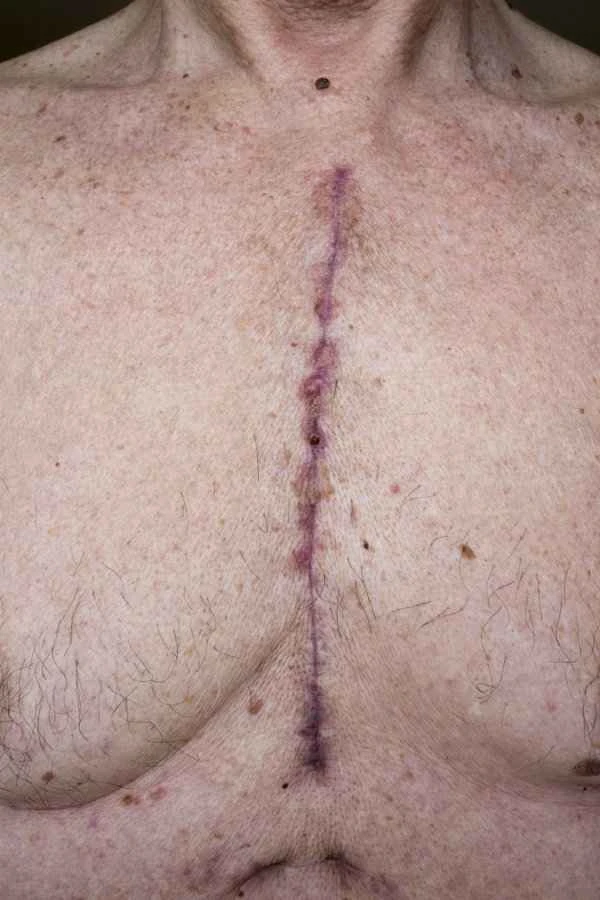
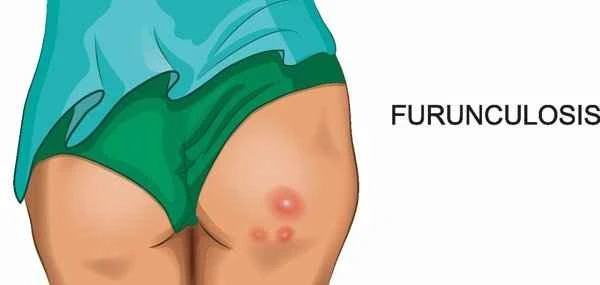
Elimination of boil scars refers to reducing or removing the scars left after a boil heals through a series of treatments. Eliminating boil scars requires comprehensive consideration of the scar type, location, and individual health condition, employing appropriate treatment methods to promote skin recovery and reduce scar formation.
When treating boil scars, it's essential to first understand the mechanisms of scar formation. Scars are a natural response of the skin during the healing process. When the skin is injured, the body initiates a repair mechanism, generating new skin tissue to replace the damaged area. Collagen deposition is a key factor in this process. The goal of treating boil scars is to promote normal skin healing and reduce excessive collagen deposition, thereby minimizing scar formation. This can be achieved through various methods, including medication, physical therapy, and lifestyle modifications. Drug treatments may involve using silicone-containing gels or patches, which help keep the scar area moist and promote skin repair. Physical therapy may include laser treatment and microneedling, which stimulate the skin to produce new collagen, improving the appearance of the scar. Maintaining healthy lifestyle habits, such as avoiding smoking, maintaining a healthy weight, and eating a healthy diet, also helps reduce scar formation.
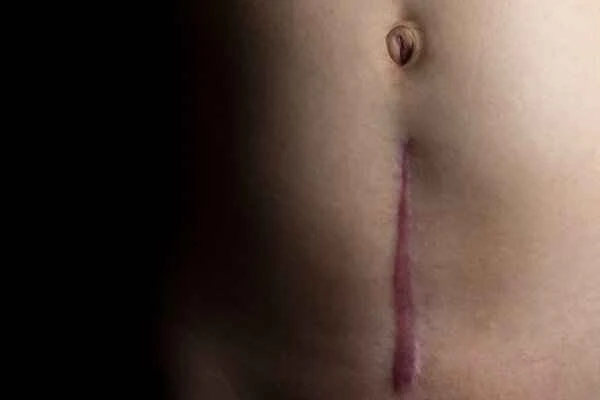
When treating boil scars, it's important to note that not all scars can be completely eliminated, and treatment effectiveness varies from person to person. Scar treatment may take time to show results, and some side effects may occur during the process, such as skin redness, swelling, and itching. When choosing a treatment method, one should fully consider their individual circumstances, including the type and location of the scar and their personal health condition, to select the most suitable treatment plan. Furthermore, during scar treatment, avoid using unproven treatments on your own to prevent unnecessary harm.

[Management Tip:]
1. Use silicone-containing gels or patches to keep the scar area moist.
2. Consider laser or microneedling treatments to promote skin repair.
3. Maintain healthy lifestyle habits, such as avoiding smoking and maintaining a healthy weight.
4. Monitor changes in the scar regularly and adjust the treatment plan accordingly.