Treatment of scalp incision scars refers to a series of methods to improve or eliminate scars left on the scalp by surgical incisions.
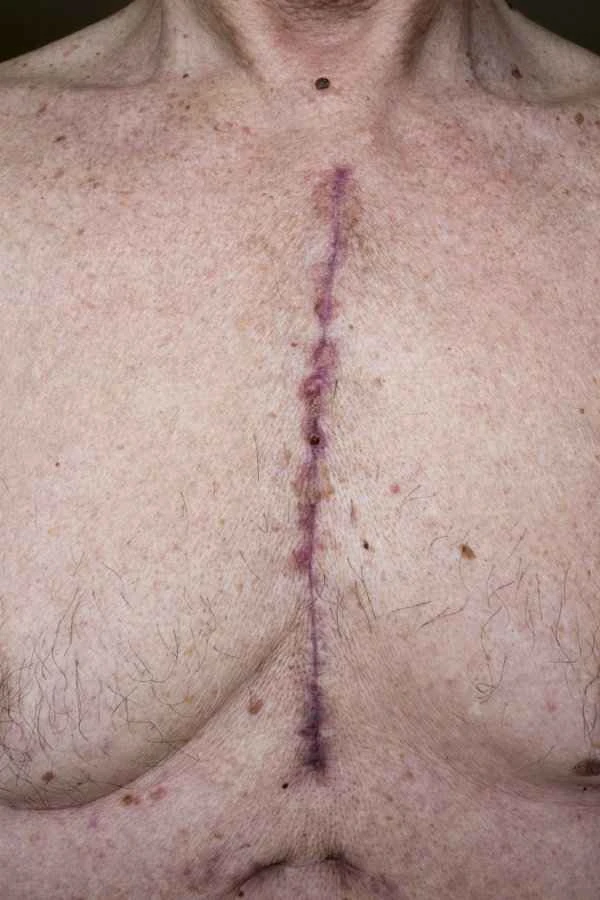
The core of managing scalp incision scars lies in reducing scar tissue formation and promoting normal skin healing. Postoperative care is crucial, including keeping the wound clean, preventing infection, and using anti-scarring medications such as silicone gel or silicone sheets to reduce scar formation. These medications reduce scarring by keeping the wound moist and promoting the normal arrangement of skin cells. Physical therapies such as pressure therapy and laser therapy can also effectively improve the appearance of scars. Pressure therapy inhibits excessive scar tissue growth through continuous pressure, while laser therapy improves the texture and color of scars by stimulating skin regeneration. If the scar is severe, surgical treatment, such as scar excision or skin grafting, may be necessary for better repair. These treatment methods each have their own focus, and their combined use can effectively improve scalp incision scars.
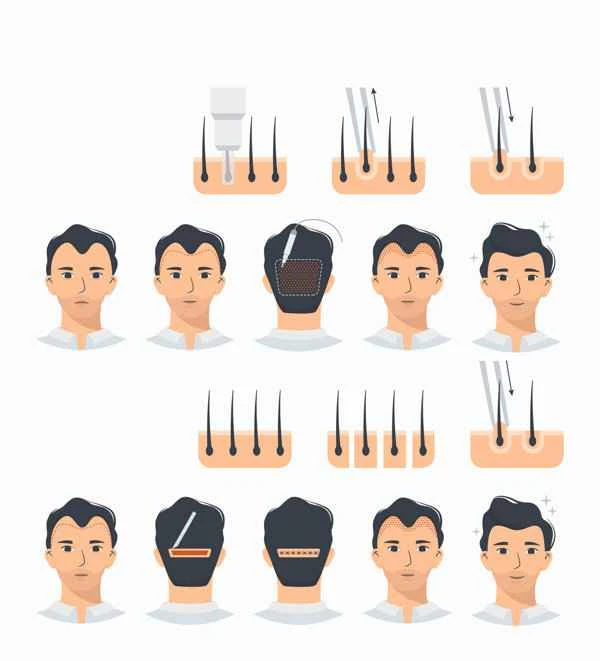
When treating scalp incision scars, it's important to avoid some common misconceptions. Don't neglect the importance of post-operative care; timely wound cleaning to prevent infection not only helps prevent scar formation but also promotes rapid wound healing. Don't rely solely on a single treatment method; a combination of approaches often yields better results. Finally, don't have overly high expectations for the treatment outcome, as everyone's skin recovery ability is different, and treatment results will vary. When choosing a treatment method, fully consider your individual circumstances, such as the type, size, and location of the scar, to develop the most suitable treatment plan.
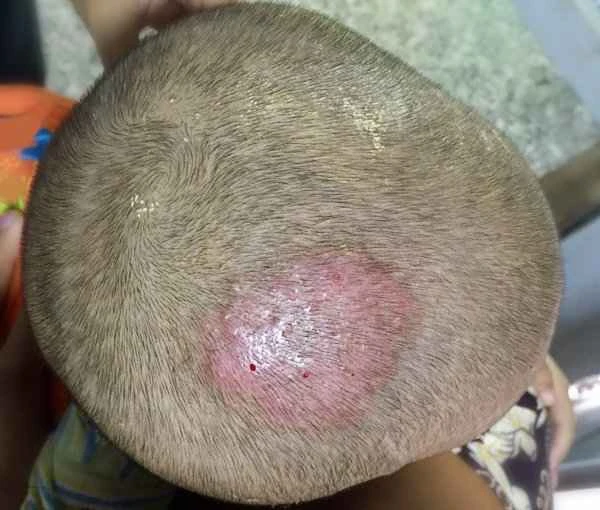
[Management Tip:]
1. Clean the wound regularly after surgery and keep it dry and clean.
2. Use anti-scarring medications, such as silicone gel or silicone sheets, to promote normal skin healing.
3. If the scar is severe, consult a professional doctor promptly and consider surgical treatment.