Strawberries are a very popular fruit, not only for their delicious taste but also for their high nutritional value. They are widely used in daily life, and many people want to grow strawberries. So, what month is the best time to plant strawberry seedlings ? Let's take a look.
1. When is the best month to plant strawberry seedlings?
Strawberry planting typically takes place in the spring, ideally in March. However, the exact timing will depend on local climate and weather conditions. Location is also crucial; ideally, the plant should be in a sunny, well-drained area with fertile soil. It's important to avoid overly dense planting areas that could block sunlight and negatively impact growth and fruit production.
II. Methods of Growing Strawberries
1. Choose the right variety: There are different varieties of strawberries, including late-ripening and early-ripening varieties. Choose the right variety based on the climate conditions and your region to ensure the strawberries ripen fully.
2. Soil preparation: Strawberries prefer soil rich in organic matter with a pH value between 5.5 and 6.5. Before planting, loosen the soil and add well-rotted leaf mold or compost. At the same time, you can use a water-soluble fertilizer specifically for soil conditioning, such as "Chongshi Zhikang Taizong", to improve the soil's water retention capacity and fertility.
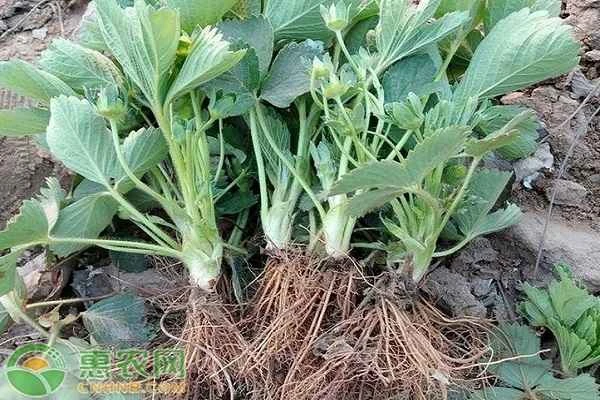
3. Planting methods: Strawberries can be propagated by division, seeds, or seedlings. Seed propagation takes a long time, so it is generally recommended to use seedlings or division. Plant strawberry seedlings in well-drained soil, maintaining an appropriate spacing, usually 30-45 cm.
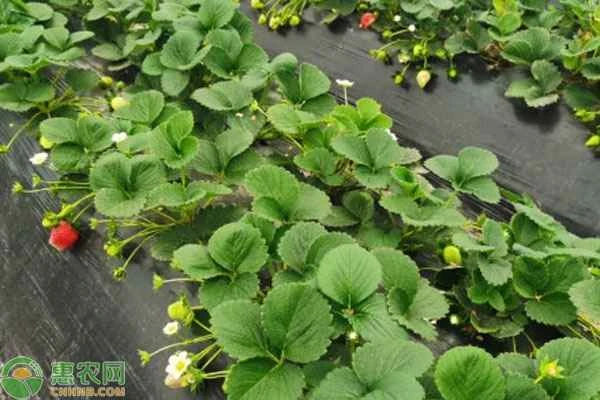
4. Light and temperature: Strawberries need plenty of sunlight for photosynthesis, at least 6-8 hours a day. Temperature is also important for strawberry growth, with the optimal range being 15-25 degrees Celsius.
5. Watering and Moisturizing: Strawberries need to be kept moderately moist, but do not overwater to avoid root rot. During the dry season, water 1-2 times a week to keep the soil moist.
6. Fertilization and Pruning: Strawberries need regular fertilization to provide sufficient nutrition. During the growing season, apply organic fertilizer every 2-3 weeks. A top dressing can also be applied around the ripening stage using strawberry-specific fertilizers such as "Pengda Taizong" and "Foam Spray Sweet Bright Taizong" to provide sufficient potassium, phosphorus, nitrogen, and some trace elements to promote fruit ripening and development. Pruning the strawberry plants promotes fruit development and lateral branch growth; removing diseased or pest-infested parts is also necessary.
7. Pest and Disease Control: Strawberries are susceptible to pests such as gray mold, mites, and aphids. Regularly inspect the plants and take appropriate control measures promptly if pests or diseases are found, such as using biological control methods or spraying insecticides .
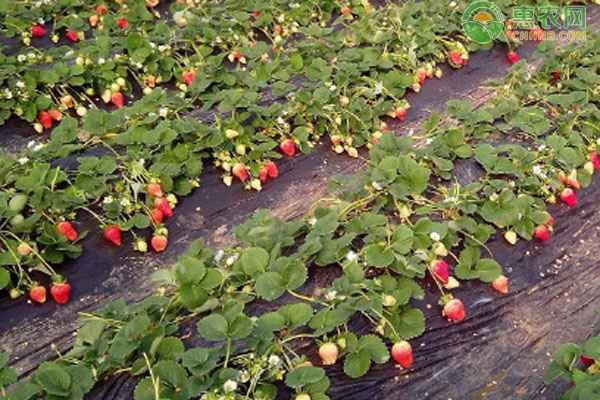
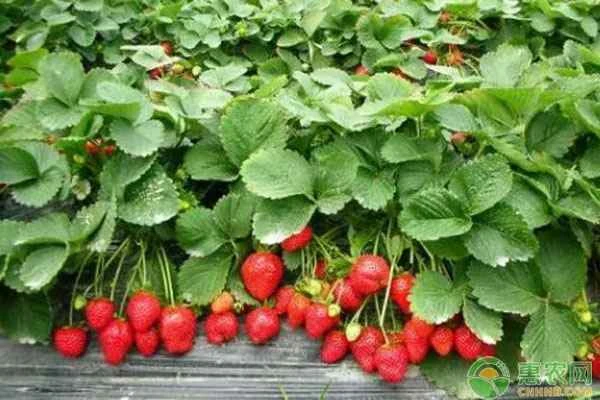
8. Harvesting and Storage: Strawberries are generally harvested after the fruit has fully turned red. Avoid damaging the plant; gently twist off the fruit. After harvesting, store the strawberries in a cool, well-ventilated place, avoiding prolonged exposure to direct sunlight.