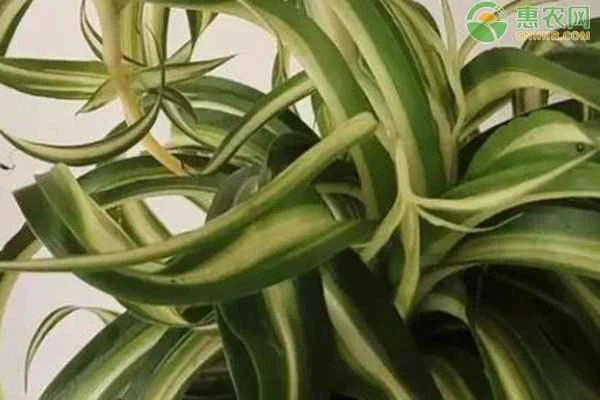
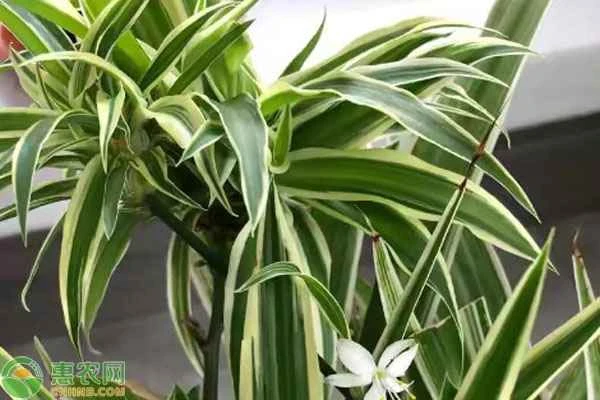
The variegated spider plant is a beautiful and easy-to-care-for indoor plant. Its unique golden-edged leaf veins and hanging flowers make it one of the most popular indoor plants, and many people enjoy growing it. So, does the variegated spider plant prefer shade or sun? Let's take a look.
1. Does the variegated spider plant prefer shade or sun?
Golden spider plant likes light, but it dislikes strong light. So while providing it with light, you should avoid direct sunlight and place it in a location with sufficient but not too strong sunlight, such as near a window or balcony. In summer, you should take shading measures to avoid excessive exposure to the sun.
II. Cultivation methods for variegated spider plants
1. Choose a suitable container and soil.
Choose a suitable container, preferably a well-ventilated ceramic or plastic pot. Golden spider plants need well-draining soil; you can add some gravel or perlite to the bottom of the pot to improve drainage.
2. Water appropriately
Variegated spider plants need to have their soil kept moist, but avoid overwatering. During the growing season, water regularly and mist the leaves to maintain humidity. In winter, reduce watering, but don't let the soil dry out completely.
3. Provide adequate lighting
Golden spider plant likes light, but it dislikes strong light. So while providing it with light, direct sunlight should be avoided, and it should be placed in a place with about 50% shade.
4. Fertilization Techniques
Variegated spider plants need proper nutrients. During the growing season, apply liquid fertilizer weekly, paying attention to balancing the nitrogen, phosphorus, and potassium ratios. Reduce fertilization frequency in winter.
5. Trimming and Shaping
Regularly pruning and trimming the leaves of the variegated spider plant can promote its healthy growth. Removing withered leaves and overgrown branches will make the plant more aesthetically pleasing.
6. Prevention of diseases and pests
Variegated spider plants are susceptible to pests and diseases, especially aphids and fungi. Regularly check the plant's growth and take timely measures to control any pests or diseases found. A combination of biological and chemical control methods can be used, but care must be taken to use chemical pesticides safely to avoid adverse effects on the environment and the plant.
7. Replace the soil regularly.
The potting soil for variegated spider plants can be replaced once a year in spring or autumn to maintain soil aeration and nutrient content, which is beneficial to plant growth.