Seedling protection materials refer to materials or equipment used to protect and promote seedling growth during the seedling process. These materials have wide applications in horticulture, agriculture, and other related fields. So what kinds of materials or equipment are included? Let's find out below.
What are the protective materials for seedling cultivation?
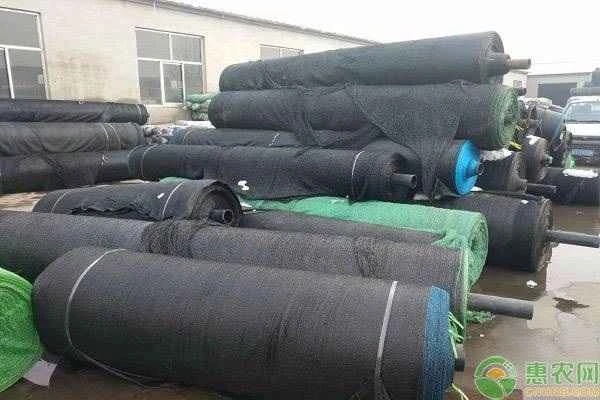
There are many types of seedling protection materials, the most common of which are non-woven fabric, shade nets, and bird nets.
What are the functions of seedling protection materials?
1. Non-woven fabric
Non-woven fabric is a new type of covering and insulation material, commonly used in greenhouse vegetable production, and is relatively economical. Non-woven fabric has a lower transmittance for long-wave light than plastic film, and because heat dissipation in the nighttime radiation zone mainly relies on long-wave radiation, its covering and insulation effect is outstanding. Furthermore, non-woven fabric is composed of interwoven filaments forming a mesh, with a high porosity, which also allows for air permeability, water permeability, and automatic humidity regulation.
2. Shade netting
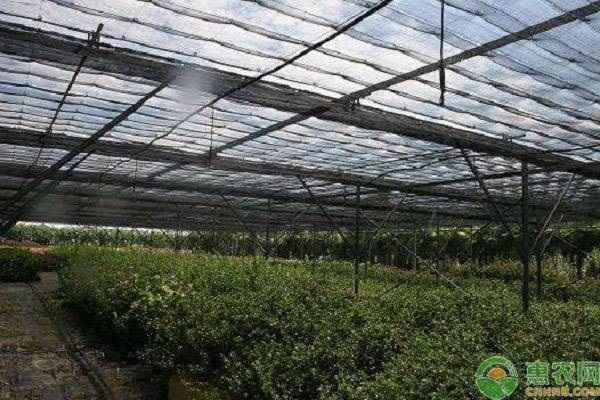
The primary function of shade nets is to block sunlight from entering the greenhouse , thereby lowering the temperature inside. Especially when combined with a forced ventilation system using fans and water curtains, shade nets can easily maintain temperatures below 30 degrees Celsius in northern regions. Furthermore, shade nets are also one of the most energy-efficient cooling methods.
3. Bird netting
Bird netting is a practical and environmentally friendly new agricultural material. By covering trellises with bird netting, an artificial barrier is formed, preventing birds from flying into orchards and effectively controlling bird damage to fruit trees. It is also environmentally friendly and pollution-free, and can resist natural disasters such as hail. However, the bird netting on the market is currently diverse, with varying quality and prices. When choosing bird netting, the first consideration should be its color (blue, orange-red , and yellow), followed by the size of the mesh and its lifespan.