Many people know about nitrogen, phosphorus, and potassium fertilizers , and that nitrogen fertilizer promotes plant growth, while phosphorus and potassium fertilizers play a significant role in crop quality. But how much do you know about phosphorus fertilizers? What kinds of fertilizers are phosphorus fertilizers? Let's take a look.
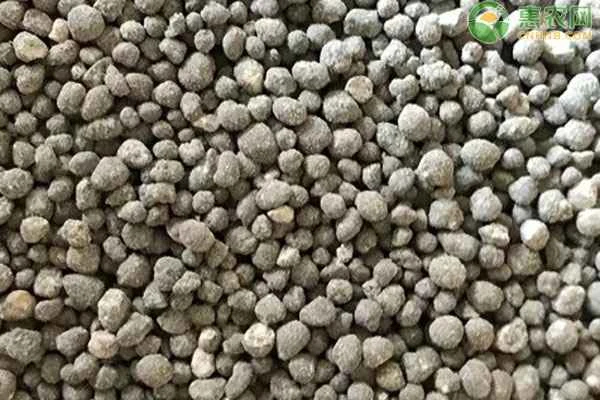
I. What fertilizers are included in phosphate fertilizer?
Phosphate fertilizers are mainly divided into two categories: inorganic phosphate fertilizers and organic phosphate fertilizers. Inorganic phosphate fertilizers include calcium dihydrogen phosphate (superphosphate) and ammonium dihydrogen phosphate (commonly known as superphosphate). Inorganic phosphate fertilizers have high solubility and act quickly. Organic phosphate fertilizers include bone meal, phosphate rock powder, and rapeseed meal . Organic phosphate fertilizers have lower phosphorus content, but release phosphorus slowly into the soil, thus playing a role in soil improvement.
II. The Role of Phosphate Fertilizer
1. Promotes root development: Phosphate fertilizer can promote root development and enhance the plant's ability to absorb water and nutrients. In arid and infertile soils, appropriate application of phosphate fertilizer can improve plant growth rate and drought resistance.
2. Promotes plant growth: Phosphate fertilizer can promote plant growth, increase leaf area and root vitality, and enhance photosynthetic capacity. Appropriate application of phosphate fertilizer during the growing season can promote crop growth and increase crop yield.
3. Improve crop quality: Phosphate fertilizer can improve crop quality, such as promoting grain filling in rice and increasing the gluten content in wheat . Appropriate application of phosphate fertilizer can improve crop quality and increase its commercial value.
4. Improve soil structure: Phosphate fertilizer can improve soil structure, promote the activity of soil microorganisms and soil enzymes, and enhance soil fertility and water retention. Long-term application of phosphate fertilizer can improve soil quality and increase soil fertility.
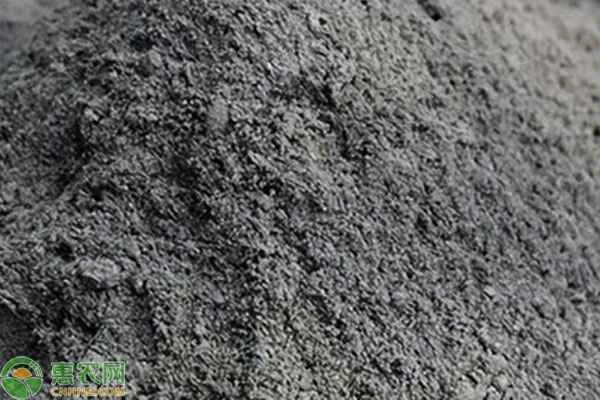
III. Methods of Applying Phosphate Fertilizer
1. Base fertilizer: Before planting, mix phosphate fertilizer and other fertilizers and apply them to the soil to provide the necessary nutrients for crop growth.
2. Topdressing: During the crop growth process, apply phosphate fertilizer in a timely manner according to the needs of crop growth to ensure the crop's growth needs are met.
3. Foliar spraying: Dissolving phosphate fertilizer and spraying it on the leaves of crops can promote plant growth and development, and improve crop yield and quality.
4. Mulching and fertilization: Before planting crops, apply phosphate fertilizer under the mulch film to supply the nutrients needed for crop growth in advance.
IV. Precautions for Phosphate Fertilizer
1. The amount of fertilizer should be moderate: Excessive application of phosphate fertilizer can lead to soil pollution and waste, and reduce soil fertility. Therefore, the amount of fertilizer should be moderate.
2. Choose fertilizers appropriately: Different crops and soil types require different phosphate fertilizers, so fertilizers should be selected appropriately according to the actual situation.
3. Apply fertilizer at the appropriate time: The application time of phosphate fertilizer should match the needs of crop growth. Do not apply fertilizer too early or too late.
4. Pay attention to fertilizer quality: When using phosphate fertilizer, pay attention to the quality of the fertilizer and choose regular channels and brands to avoid fertilizer quality problems.