Peach trees are an important fruit crop, known for their robust growth and adaptability to various soil and climate conditions, and are widely cultivated throughout my country. However, a common problem encountered during peach cultivation is the appearance of black spots on the fruit. What exactly causes this? Details are as follows:
What causes black spots on peaches?
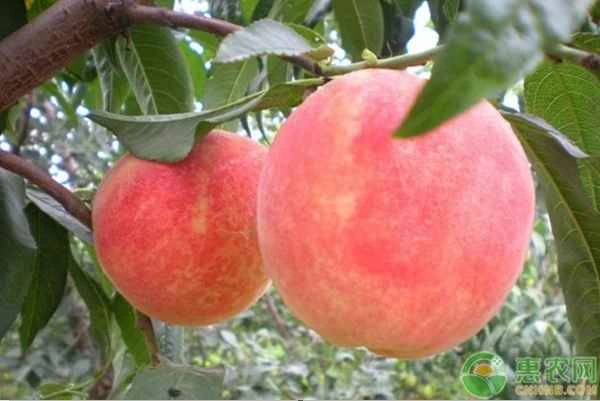
Black spots on peaches are usually caused by peach scab, also known as peach black spot disease. It is one of the most common and serious diseases of peach trees, often resulting in reduced fruit quality and a worse appearance.
How can peach black spot disease be effectively prevented and controlled?
1. Main symptoms
This disease primarily affects the fruit. Initially, small, dark green, round spots appear on the fruit, which expand into black mole-like spots and later become rough, purplish-black patches. However, the lesions are limited to the surface and do not penetrate into the flesh, but can cause the peel tissue to wither and crack.
2. Disease pattern
The pathogen overwinters in lesions on one-year-old branches, and the following spring, the pathogenic spores are transmitted through rainwater, fog droplets, and dew to infect the fruit. The disease course from invasion to onset is relatively long, lasting 40-70 days on the fruit. The disease is more likely to occur in rainy, humid weather, or in orchards with clay soil or dense canopies.
3. Prevention and control methods
(1) Agricultural prevention
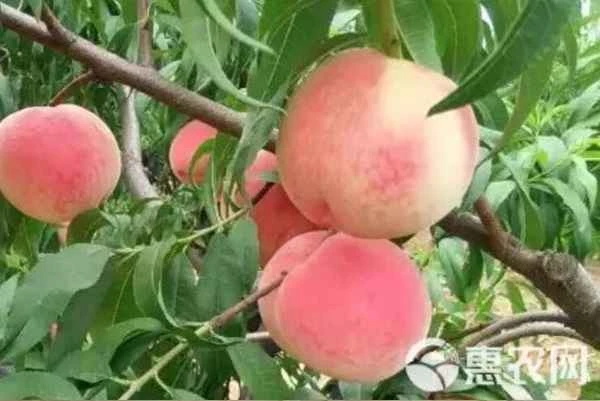
By selecting superior varieties, managing fertilizer and water, and implementing pruning and shaping techniques, a healthy orchard ecosystem can be cultivated, enhancing tree vigor and improving the peach trees' resistance to diseases, while simultaneously reducing the initial infection population of pathogens.
(2) Chemical control
In early spring, when buds are just beginning to sprout, spray with lime sulfur solution at 5 Baume degrees. From 20 days after flowering until late June, spray every 10 to 15 days. The fungicide can be 50% carbendazim at 800 times dilution, or 72% thiophanate-methyl at 1000 times dilution, or 75% chlorothalonil at 600 times dilution, or 10% tebuconazole at 3000 to 4000 times dilution, or 50% thiophanate-methyl at 8000 times dilution.