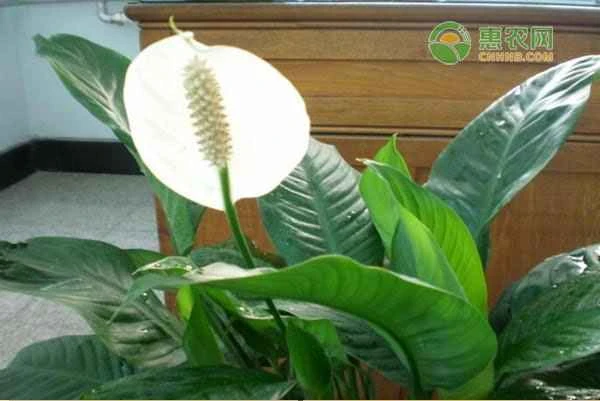
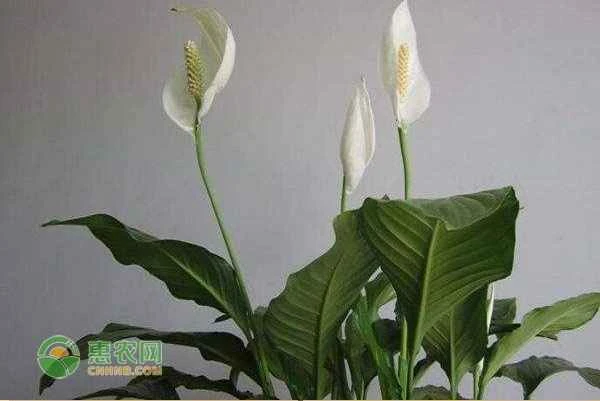
Peace lilies (Spathiphyllum) are evergreen herbaceous foliage plants belonging to the Araceae family and the Caladium genus. Their large, deep green leaves make them highly ornamental and ideal for indoor potted cultivation . So, how do you care for a peace lily ? How often should you water it? Let's find out below.
How often should I water my peace lily?
Peace lilies prefer moist conditions and can be watered every 2-3 days, but the exact frequency needs to be adjusted according to the season and climate.
Generally, during the vigorous growth periods of spring and autumn, water thoroughly as soon as the soil surface dries, approximately every 5-7 days. In summer, due to high evaporation rates, watering may be necessary every 1-2 days, and misting can be used to increase air humidity. In winter, reduce watering frequency, keeping the soil only slightly moist.
How to care for a peace lily?
1. Soil
Peace lilies prefer humus-rich, loose, and well-drained soil. For potted plants at home, a suitable soil mix can be used: garden soil: leaf mold: sand = 4:4:2.
2. Temperature
Peace lilies prefer warm temperatures, with the optimal growing temperature being 20-28℃. The overwintering temperature should not be lower than 14℃, otherwise they will suffer frost damage, causing the leaves to wither or even the entire plant to die.
3. Light
While peace lilies are shade-tolerant, they still need adequate light to promote photosynthesis. Generally, they require at least 6 hours of diffused light daily; avoid direct sunlight.
4. Fertilizing
While peace lilies generally require fertilization every 2 to 3 weeks, they need more fertilizer during the growing season, so fertilizing every 1 to 2 weeks is recommended. Fertilization should be stopped in winter. For fertilizer selection, organic liquid fertilizer, well-rotted cake fertilizer water, or diluted compound fertilizer can be used during the growing season. Potassium fertilizer can be used before flowering to promote blooming.
5. Repotting
Peace lilies need to be repotted every 1-2 years. When repotting, pay attention to pruning the roots and removing withered leaves. Overcrowded plants should be divided and repotted, removing some old roots and excessively long roots, and removing the old soil.