Foliar fertilization is a highly efficient and convenient way to supplement crop nutrition. It can provide crops with the necessary nutrients in a short time, promoting their growth and development, and improving yield and quality. So when is the best time to apply foliar fertilizer ? Let's find out below.
When is the best time to apply foliar fertilizer?
The best time to spray foliar fertilizer is usually on a semi-shaded, windless day, before 10 a.m. or after 4 p.m., to avoid fertilizer damage caused by high temperatures and strong sunlight.
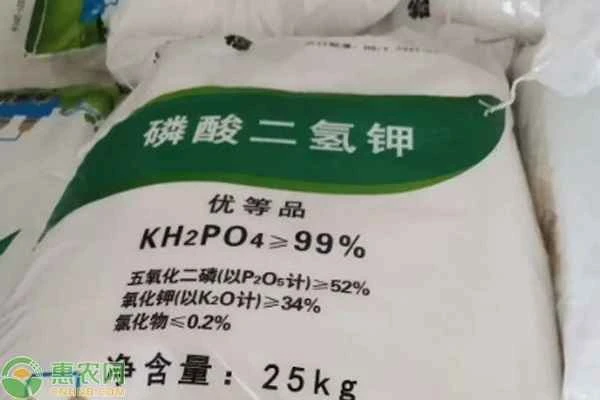
How to use foliar fertilizer effectively?
1. Suitable period
Foliar fertilizers are generally applied during the seedling stage, the initial flowering stage, or the critical mid-to-late stages when crops require fertilizer to achieve the best results. Foliar fertilizers should not be applied to seedlings or crops that have not yet recovered after transplanting, as this may burn the seedlings .
2. Spraying dosage
Typically, 50-60 grams of fertilizer solution are sprayed per acre, but the specific amount should be adjusted according to factors such as crop type, growth stage, and fertilizer type.
3. Concentration control
Foliar fertilizers should be applied at appropriate concentrations to avoid burning the leaves. Different crops and fertilizer types have different concentration requirements. Generally, the application concentration of medium elements (nitrogen, phosphorus, potassium, calcium, magnesium, and sulfur) is 500-600 times, the application concentration of microelements such as iron, manganese, and zinc is 500-1000 times, boron is more than 3000 times, and copper and molybdenum are more than 6000 times.
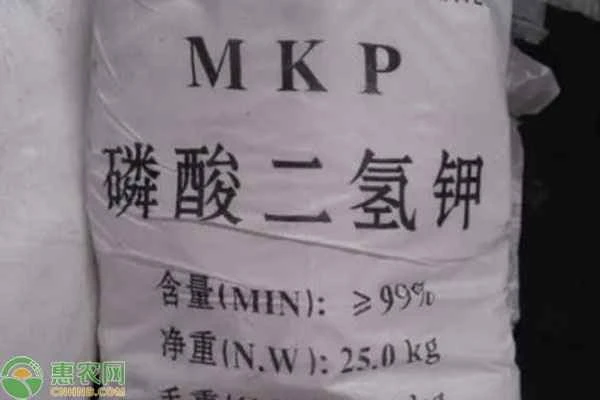
4. Application method
Foliar fertilizers can be sprayed alone or mixed with other fertilizers or pesticides , but attention should be paid to the compatibility of the mixture to avoid fertilizer or pesticide damage. When spraying, the leaves should be evenly covered, especially the undersides of the leaves, to facilitate absorption.
5. Precautions
(1) Foliar fertilization is an auxiliary method and cannot replace root fertilization. It should be used in combination with root fertilization.
(2) Before mixing, you should understand the characteristics of various foliar fertilizers and pesticides, as well as the precautions for mixing. Before each mixing, it is best to conduct a small-dose experiment first, so as to ensure its stability to the greatest extent.