Cucumbers are one of the most common vegetables in our daily lives, widely grown throughout China. However, many people experience low yields and poor quality when growing cucumbers, resulting in low economic benefits. So how can cucumbers be grown to achieve high yields? Let's take a look.
1. Variety selection
Choosing cucumber varieties suitable for local climate and soil conditions is key to successful cultivation. Growers should select cucumber varieties that are disease-resistant, easy to set fruit, produce many fruits, and have high yields and good quality, based on different cultivation seasons and methods, as well as local climate characteristics and market demand. Examples include Chunyu cucumber, Zhongnong 19, Zaoqing 2, Jinyou 616, and Lvchun 1.

2. Fine land preparation
Cucumbers have high yields and require a large amount of fertilizer. They prefer to grow in fertile, loose, and well-drained soil. Before planting, sufficient base fertilizer should be applied, generally 5,000 kg of fully decomposed organic fertilizer and 200 kg of 51% compound fertilizer per acre. Then, the soil should be deeply tilled, loosened, and weeds and stones removed.
3. Sowing and seedling raising
Cucumbers can be planted year-round, but the specific sowing time should be determined based on local climate conditions and market availability. Before sowing, the seeds should be disinfected to prevent pests and diseases. After sowing, the soil should be kept moist to promote germination. During the seedling stage, thinning is necessary to ensure good ventilation and light penetration in the seedbed, prevent pests and diseases, and ensure healthy seedling growth.
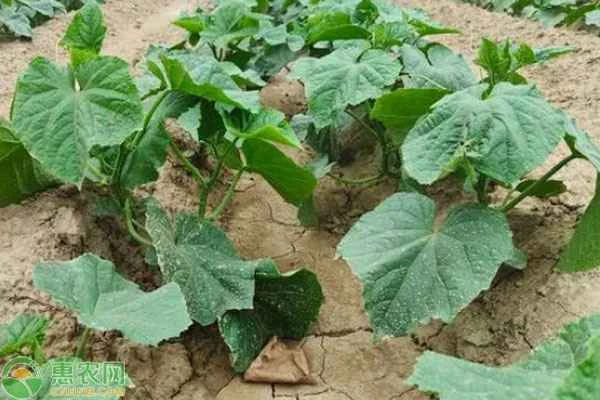
4. Planting and Management
When cucumber seedlings reach a certain height, they can be transplanted. Before transplanting, the soil should be fertilized and loosened again to ensure it is fertile. When transplanting, maintain a reasonable spacing between plants to allow for adequate light and ventilation for growth. During the growing season, fertilize and water regularly to keep the soil moist and nutrient-rich. At the same time, regularly check the plants' growth, pay attention to pest and disease control, and address any problems promptly.
5. Pest and disease control
Cucumbers are susceptible to pests and diseases during their growth, such as powdery mildew, downy mildew, and aphids. To control these pests and diseases, growers should adopt integrated pest management measures, such as strengthening field management, selecting disease-resistant varieties, regularly spraying pesticides , and applying fertilizers and watering appropriately. When pests and diseases are discovered, timely control measures should be taken to prevent the spread of the disease and its impact on quality and yield.
6. Harvesting and Storage
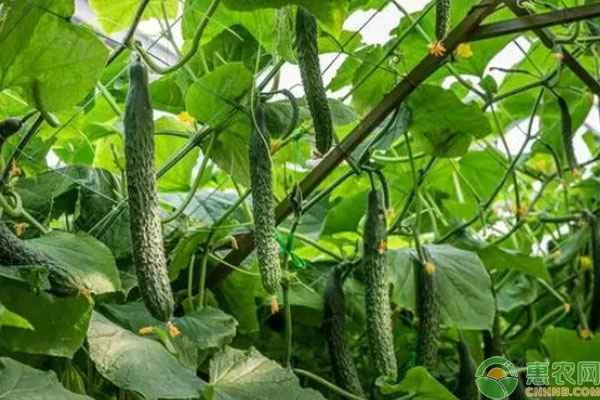
The harvest time for cucumbers should be determined based on market demand and variety characteristics. Generally, cucumbers can be harvested about 10-15 days after flowering. Care should be taken to avoid damaging the fruit during harvesting; handle them gently. Harvested cucumbers should be sold and stored promptly to maintain their quality and freshness. During storage, it is important to maintain suitable humidity and temperature to prevent the cucumbers from becoming damp, spoiling, or moldy.