Potatoes are grown throughout China. While the planting time varies by region, to grow fast-growing, high-yield potatoes, it's essential to master the following six points:
1. Site selection and land preparation
Choose a plot of land that has not been planted with potatoes or other solanaceous crops within the past three years. Select a flat, well-drained plot with deep, loose sandy loam soil. After the previous crop is harvested, deep plow and harrow the land. When making ridges, adjust the width and height flexibly according to the terrain and soil moisture conditions.
2. Seed selection
Select potato varieties that are disease-resistant, widely adaptable, high-yielding, and of good quality. Seed potatoes should be regular in shape, possess typical characteristics of the variety, have smooth skin, bright color, and be of moderate size. Strictly remove tubers with cracked skin, deformities, pointed ends, necrotic buds, disease spots, or black rot at the navel.
3. Seed potato treatment
Planting seed potatoes in sections promotes oxygen exchange inside and outside the tuber, breaks dormancy, and encourages earlier sprouting and emergence. When cutting, make longitudinal cuts so that each section has an apical dominance bud, and each section should weigh 20-30 grams. After cutting, promptly treat the seeds with wood ash or a fungicide to prevent pathogen infection.
4. Germination
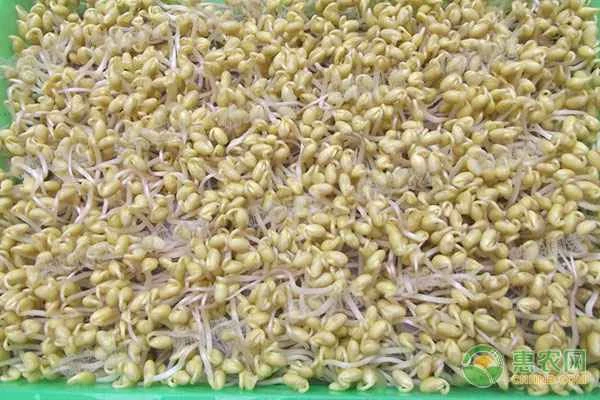
Pre-planting sprouting can promote early maturity and increase yield. Place seed potatoes in alternating layers of sand, about 3-4 layers thick, maintain an optimal temperature of around 20℃ and keep the soil moist. Sprouting will occur in about 10 days.
5. Sowing
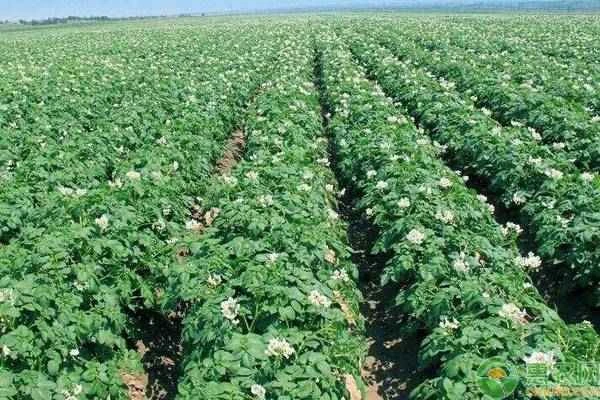
The sowing period should be determined based on local climate conditions and the characteristics of the potato variety. The principle is to ensure that the peak tuber formation period occurs when the average daily temperature is 15-25℃. Reasonable planting density is necessary, generally around 6000 plants per acre, with 2-3 stems per plant being ideal. The sowing depth should be 8-10 cm, and the soil covering should be uniform.
6. Field Management
Potatoes require a variety of nutrients during their growth period. Among the three major fertilizers , potassium is needed the most, followed by nitrogen, and phosphorus the least. During the growing season, watering time and amount should be arranged reasonably according to weather conditions and soil moisture, following the principle of "alternating between dry and wet conditions" for watering management. After emergence, timely weeding and fertilization should be carried out, keeping the soil moist but avoiding waterlogging.