Soybean sprouts are rich in protein and vitamins, have high market demand, and are very easy to cultivate, sprouting and harvesting in just a few days. Here are five key points to keep in mind when growing soybean sprouts:
1. Material preparation
Select large, plump, dried soybeans, making sure they are free of insect spots. Wash the soybeans thoroughly and prepare a suitably sized bowl.
2. Soaking seeds
Take a suitably sized bowl, rinse the soybeans thoroughly, put them in the bowl, pour in water to cover the soybeans, and soak for about 10-12 hours. Soak until the soybeans look plump, that is, they change from round to oval, then drain the water.
3. Germination
Place the soaked soybeans in a seedling tray. Find a clean piece of gauze or steamer cloth, wet it with water, and cover the soaked soybeans. If you want the bean sprouts to grow thicker, you can choose a larger piece of gauze.
When covering the bean sprouts, tuck the cover in tightly into the pot. This will prevent the beans from growing upwards and becoming overly long and thin. Then place the seedling tray in a well-ventilated, shaded area, away from direct sunlight. Remember to spray water twice a day, once in the morning and once in the evening.
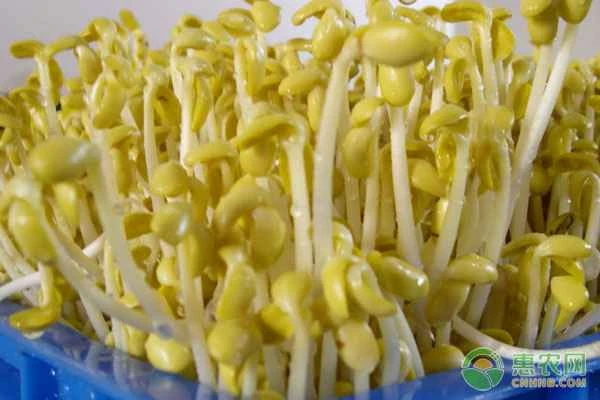
4. Budding
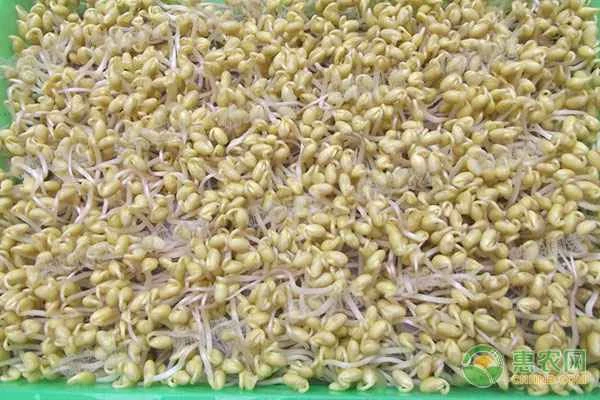
If you're sprouting a small amount of soybeans, you can use a small seedling tray. They should sprout in about 2-3 days. Carefully select the sprouts and discard any that haven't sprouted. To encourage sprouting, water the soybeans daily. Once the water has drained from the gaps between the sprouts to the bottom of the tray, pour the water out. After each watering, cover the tray with the cloth again, keeping the cloth moist.
5. Harvesting
If you want to eat short soybean sprouts, this type is suitable. If you want to eat long soybean sprouts, you need to let them continue to grow. They can be harvested when the sprouts grow to about 12-15 centimeters.