Different land types have different land use terms. For example, residential land has a 70-year land use right, while industrial land only has a 50-year term. So what happens to industrial land after 50 years? Details are as follows:
What happens to industrial land after 50 years?
After 50 years, industrial land can be renewed by paying additional land transfer fees based on the land price level at that time. The land user only needs to submit a renewal application to the land management department.
What is the difference between industrial land and commercial land ?
1. How to obtain
Industrial land is acquired through allocation, while commercial land is acquired through auction or bidding.
2. Different definitions
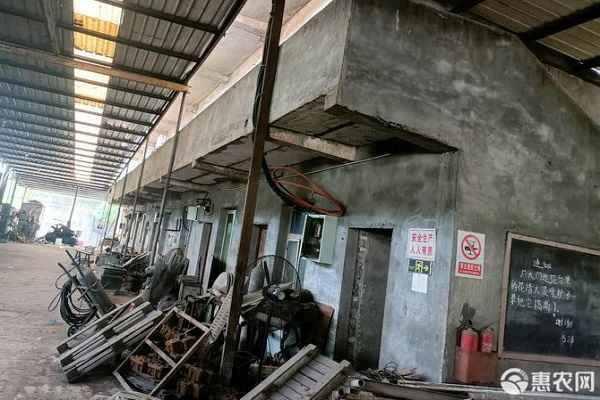
Industrial land refers to land used for independently established factories, workshops, handicraft workshops, construction and installation production sites, and slag (ash) disposal sites. Commercial land refers to land used for commercial, tourism, and entertainment activities, such as land used for building shops, grain stores, restaurants, parks, amusement parks, theaters, and clubs.
3. Differences in land prices
The prices of industrial land and commercial land are different. Generally, industrial land is cheaper, while commercial land is more expensive.
4. Service life
According to Article 12 of the Provisional Regulations on the Grant and Transfer of State-Owned Land Use Rights, the maximum term for the grant of land use rights is 50 years for industrial land and 40 years for commercial land, depending on the different uses of the land.
5. Different locations
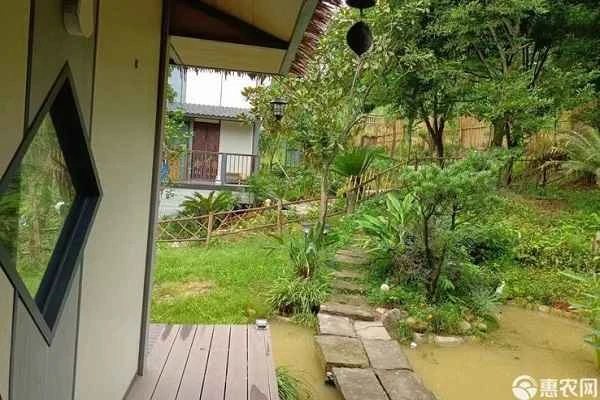
Commercial land is typically located in urban areas, while industrial land is located in or near the suburbs.
6. Sales restrictions
Commercial land development and sales can be divided into areas according to customer needs, with no restrictions on the purchasing group. However, there are two restrictions when registering property rights for industrial land development and sales: firstly, the minimum unit area must be no less than 300 square meters; secondly, the transferee (lessee) must not be a natural person, but a legal entity.