Currently, the prices of Chinese medicinal herbs are entering an upward cycle. Common herbs such as angelica, codonopsis, ophiopogon japonicus, atractylodes macrocephala, and jujube seed have all seen price increases, some even several times higher. Therefore, in this favorable environment, it is crucial for growers to understand the procurement channels for Chinese medicinal herbs. So, where can Chinese medicinal herbs be procured? Details are as follows:
Where can I buy Chinese medicinal herbs?
Places that purchase Chinese medicinal herbs include: Chinese herbal medicine processing plants, Chinese medicinal herb trading markets, agricultural and sideline product markets, agricultural and sideline product distributors, and qualified Chinese medicine companies.
What are the common classifications of Chinese medicinal herbs?
I. Herbal Medicinal Materials
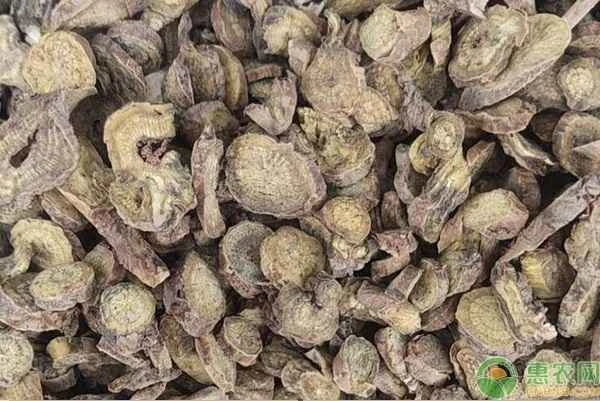
1. Root and rhizome herbs: such as Coptis chinensis, ginseng, Isatis indigotica, Scutellaria baicalensis, Scrophularia ningpoensis, Angelica sinensis, Pinellia ternata, etc.
2. Stem and woody plants: such as Uncaria rhynchophylla, Agarwood, Tetrapanax papyriferus, Spatholobus suberectus, Gleditsia sinensis thorns, Sappanwood, Dalbergia odorifera, Sandalwood, etc.
3. Bark: such as cinnamon, magnolia bark, eucommia bark, phellodendron bark, lycium bark, fraxinus bark, etc.
4. Fruits and seeds: mulberry, coix seed, privet fruit, dried tangerine peel, lotus seed, loofah sponge , longan pulp, etc.
5. Whole herbaceous plants: such as motherwort, geranium, mint, agastache, oldenlandia diffusa , dandelion, etc.
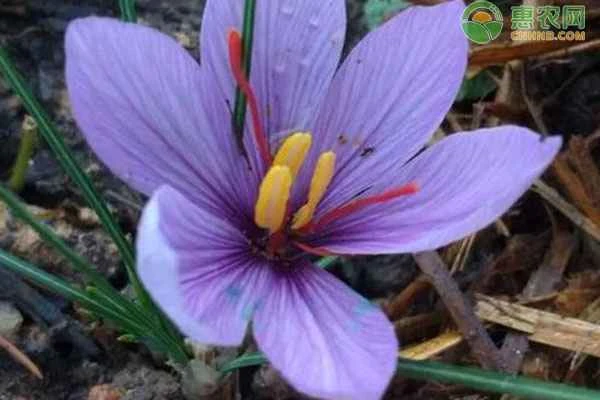
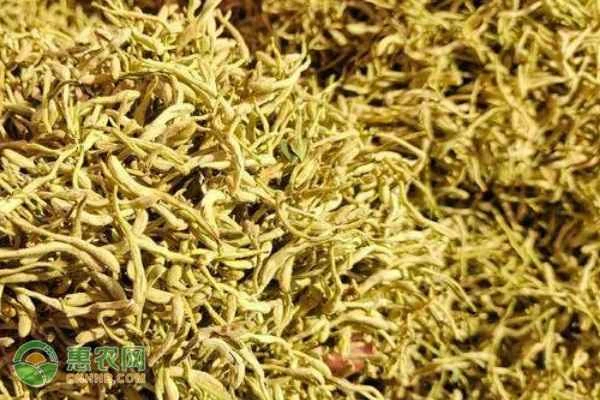
6. Flowering and leafy plants: such as saffron, chrysanthemum, honeysuckle, mimosa, indigo leaves, senna leaves , mugwort leaves, perilla leaves, etc.
II. Animal-based medicinal materials
1. Animals used as medicine in their entirety: such as earthworms, leeches, centipedes, stink bugs, seahorses, and Agkistrodon halys.
2. Animal parts used in medicine: such as deer antler, antelope horn, turtle shell, bear bile, and abalone shell.
3. Animal secretions used in medicine: such as musk and toad venom.
4. Animal excrement used in medicine: such as Wulingzhi and silkworm excrement.
5. Animal products used in medicine: such as snake slough, cicada slough, and bezoar.
III. Mineral-based medicinal materials
Examples include borax, magnetite, mica, pyrite, stalactite, cinnabar, dragon bone, and amber.