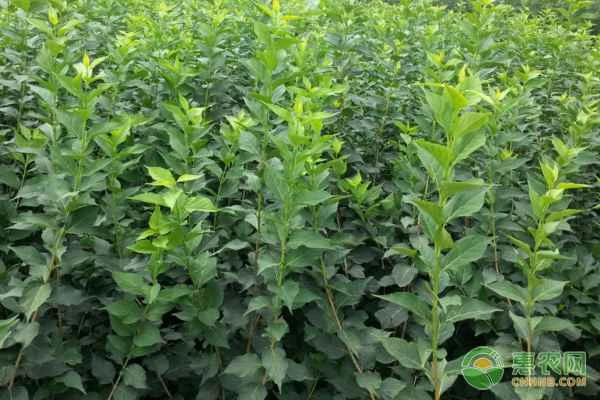
Mung bean cultivation is simple. To ensure successful sprouting , it's best to use freshly harvested mung beans from the current year, rather than old beans, as this will result in a higher germination rate. The growth process of mung beans mainly involves the following five stages:
1. Seedling stage
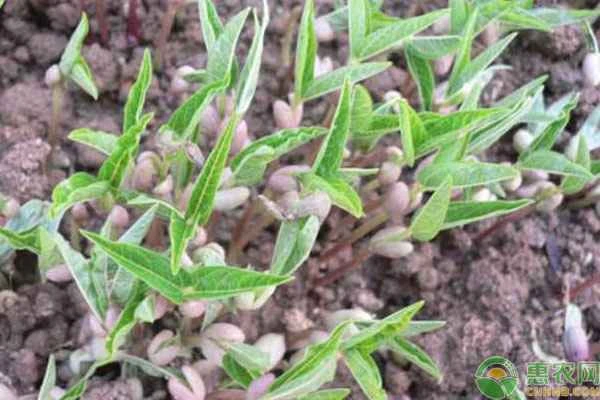
After sowing mung beans, water them promptly and cover the seeds with a thin layer of soil. After 1-2 days, the seeds will absorb water and swell. The seed coat will crack open, revealing a sprout with a white tip, which will gradually grow into a stem. The cotyledons will gradually separate, and after the plant takes root and develops true leaves, the cotyledons will slowly fall off. Once the true leaves have emerged, water and fertilize promptly; a diluted fertilizer solution is recommended.
2. Rapid growth period
Mung beans should not be fertilized excessively, as legumes naturally have nitrogen-fixing capabilities. The plant has a long growing season, gradually flowering and forming pods only after its branches and roots have matured. During periods of high temperature, mung bean plants should be watered regularly.
3. Pod-forming stage
It's important to anticipate weather conditions to predict mung bean flowering time and adjust the sowing schedule accordingly. High temperatures and rainy seasons can cause pods to not form or flowers to fall off, severely impacting the flowering rate; these conditions should be avoided.
4. Maturity stage
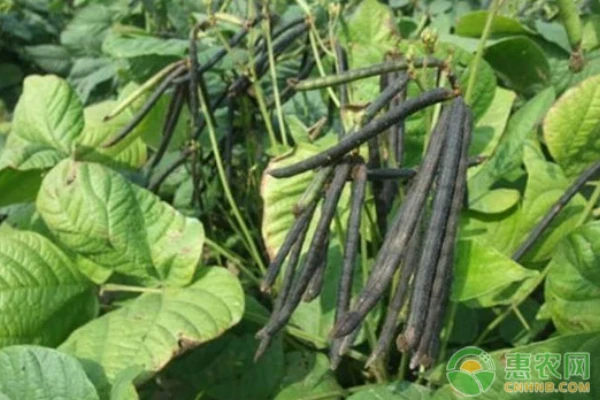
Harvesting can begin after the mung beans have turned from green to black. During this period, mung beans do not require water or fertilizer management; simply water them appropriately during dry periods and take timely measures to prevent and control pests and diseases.
5. Harvesting period
When harvesting mung beans, the roots need to be pulled up and then placed in the sun to dry. Remove the soil, and the pods need to be dried until they are about to burst open. Continue drying the pods on mats, while simultaneously beating them to extract the seeds, which are then sifted. Finally, dry the mung beans until they are too tough to chew.