Citrus fruits belong to the Rutaceae family and the Citrus genus. They originated in China and have a long history of cultivation, making them one of China's famous fruits. So, what are the cultivation techniques for citrus fruits? Let's find out below.
1. Site Selection
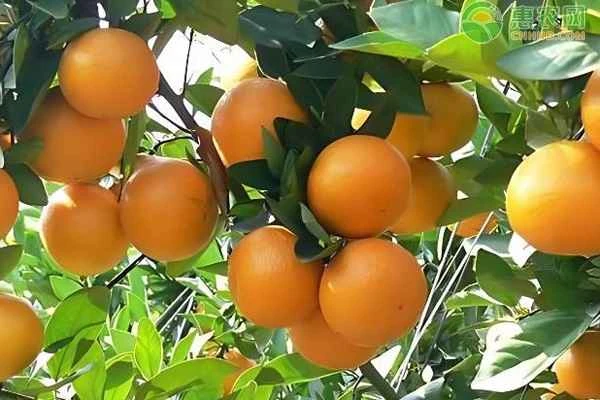
Citrus orchards are best suited to deep, fertile, loose soil with a pH of 5.5-6.5, rich in organic matter, well-drained, and sheltered from the wind, located on sunny slopes or in paddy fields . If using paddy fields, the water table should be lowered to below 80 cm.
2. Land preparation and soil improvement
Dig trenches along the slope, 1 meter wide and 1 meter deep. While digging, separate the topsoil and subsoil and pile them on both sides of the trench. Then, fill the trench with soil amendment materials such as crop straw, green manure, farmyard manure, and weeds at a rate of 20-30 kg per plant. Finally, backfill in the order of topsoil first, then subsoil, forming ridges 1.5 meters wide and 0.8 meters high. For steeper slopes, trenches can be dug without ridges to avoid accelerating soil erosion.
3. Planting of seedlings
Select healthy, disease-free seedlings for transplanting, which can be done in spring or autumn. When transplanting, dig a small hole in the soil mound, place the seedling in the center of the hole, ensuring the root collar is level with the soil mound, and maintain neat spacing between plants and rows. Use your hands to straighten the roots outwards and gently lift the seedling upwards to ensure the roots are spread out and in close contact with the soil. Then, tamp the soil down with your feet and cover it evenly. After planting, water thoroughly with a bucket of "root-setting water" to improve the survival rate.
4. Management of young trees
About a month after planting, the citrus seedlings will be basically established. At this time, you can apply a diluted manure solution with 0.3%-0.6% urea or compound fertilizer . Afterward, apply a fertilizer to promote shoot growth and a fertilizer to strengthen shoots before each new shoot sprouts and before the branches mature. The fertilizer should be mainly fast-acting fertilizer.
5. Management of Youth Trees
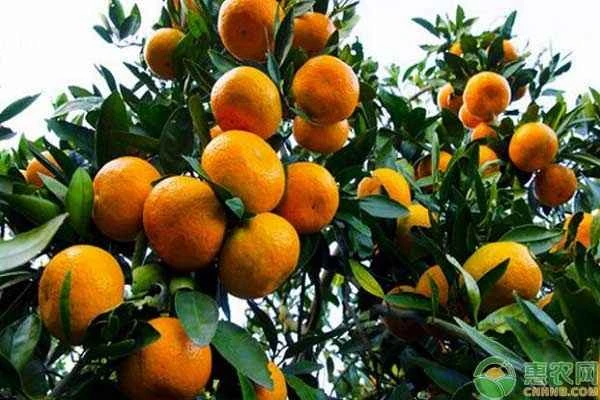
Young citrus trees have begun to bear fruit, so it is necessary to increase the amount of fertilizer to meet the needs of tree growth and fruit development. At this time, the content of phosphorus and potassium fertilizers should be increased to promote flowering and fruiting of citrus trees.
6. Management of old trees
The management of old trees focuses on conditioning, primarily to restore the tree's vigor. Usually, simply strengthening fertilizer and water management, controlling pests and diseases, and carrying out renewal pruning to encourage dormant buds to sprout new branches can restore the tree's vigor.