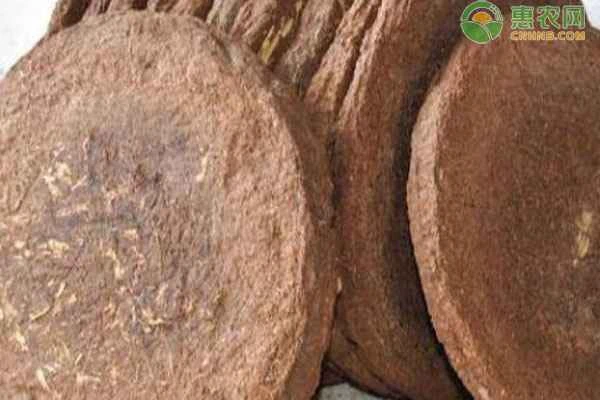
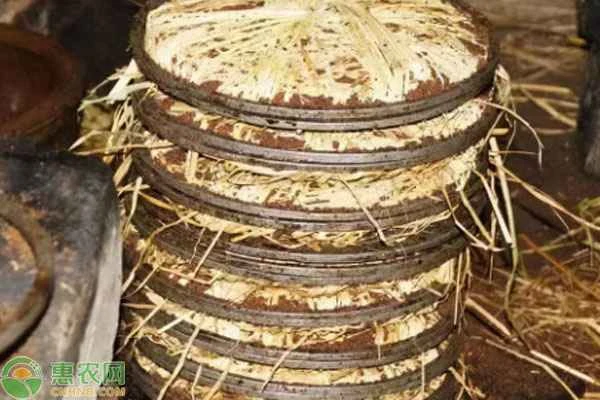
Tea seed cake is the cake or residue left after pressing the oil from the seeds of the tea oil tree . It has many uses in aquaculture . So, does tea seed cake have any effect on shrimp larvae? Let's take a look.
1. Does tea seed cake have any effect on shrimp larvae?
Tea seed cake can affect shrimp larvae because it is alkaline. If the alkalinity is too high, it can be very harmful to fish and juvenile lobsters. Tea saponins are hemolytic toxins that enter the bloodstream of fish through the gills in water, causing the dissolution of red blood cells and leading to death.
II. The role of tea seed cake in aquaculture
1. Clearing the pond
Tea residue contains 12-18% tea saponin. Tea saponin is a hemolytic toxin that can dissolve the red blood cells of fish, thus killing wild fish, loaches, snails, clams, frog eggs, tadpoles, and some aquatic insects, but it has no toxic effect on aquatic plants .
2. Fertilizer
Tea seed cake is rich in crude protein and various amino acids and other nutrients. After the pond is cleared and filled with water, it is conducive to the large-scale reproduction of plankton, making it a good organic fertilizer for basic food organisms.
3. Bait
Tea seed cake contains 11%~12% crude protein, 5%~7% fat, 40%~45% nitrogen-free extract, and 0.37% phosphoric acid. Each kilogram contains 8.37 MJ~10.05 MJ of digestible energy, and its protein contains more than a dozen amino acids required by fish.
4. Disease prevention and treatment
It is an effective medicine for treating hemorrhagic diseases, bacterial gill rot, red spot disease, and enteritis in fish. It promotes molting in crayfish and stimulates their growth; at the same time, it can effectively kill nematodes and vasovagal worms attached to crayfish, thus achieving the purpose of treating shrimp diseases.
5. Reduce nitrite levels
Tea seed cake is a growth promoter for nitrifying bacteria; when used at a concentration of 7 ppm, it can reduce nitrite levels. Few people know this.
6. Biological snail control
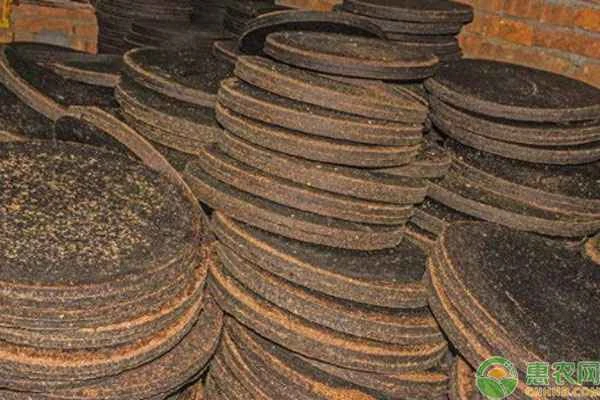
Tea saponins have a good killing effect on Oncomelania snails, the intermediate host of Schistosoma, and are abundant and inexpensive.