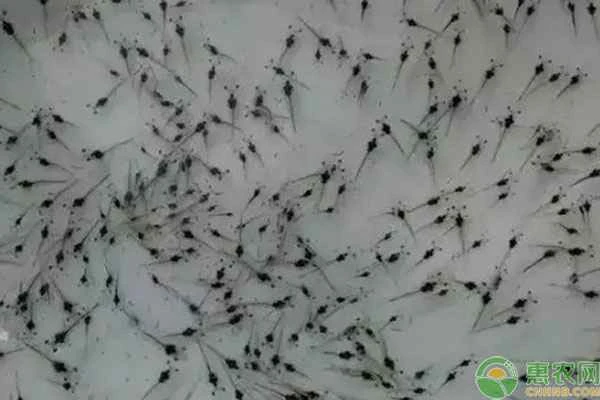
Shrimp is a very delicious food with high nutritional value, containing rich protein and calcium. Many people like to eat shrimp, so many farmers want to raise shrimp. So how much feed should you give 100,000 shrimp larvae per day? Let's take a look.
1. How much feed should be given to 100,000 shrimp larvae per day?
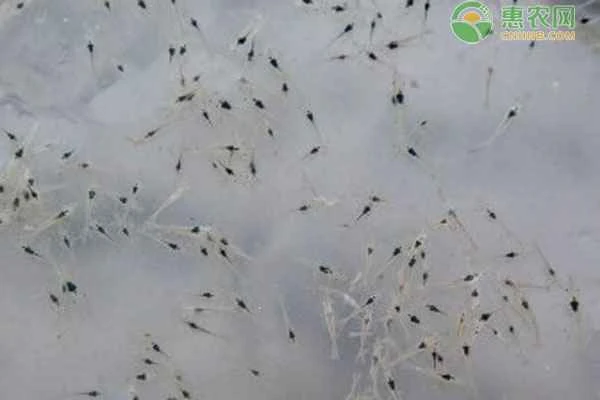
The second feeding begins after the shrimp larvae are introduced into the pond. The initial feed is calculated at 1 jin of feed per 100,000 shrimp larvae per day. The amount of feed to be increased is 10% every 2 days based on the amount of feed given on that day (if you want to increase the amount of feed every day, increase it by 5% of the total amount).
II. How to improve the survival rate of shrimp larvae?
1. Sunny day at the pond
The best time to stock the pond is on a sunny morning, as this is when the shrimp larvae have the highest survival rate and adapt the fastest. Using a vitamin C anti-stress product the day before stocking can also significantly improve the survival rate of the shrimp larvae.
2. Strong seedlings are released into the pond.
Before stocking, select shrimp larvae that are lively, uniform in size, and robust to improve survival rates. Alternatively, administering detoxifying products, trace element supplements, and calcium supplements before stocking can enhance the larvae's stress resistance, prevent post-molting oxygen deprivation and death, accelerate shell hardening during stress-induced molting, and reduce stress caused by differences in water quality. These practices can effectively improve shrimp larvae survival rates.
3. Fertilizer and water are added to the pond.
Early-stage shrimp larvae mostly feed on natural food. Clear water, insufficient natural food, or a lack of algae can all lead to larval mortality due to significant water quality changes and food shortages. Therefore, it is essential to fertilize the water before stocking to provide ample natural food for the larvae and to establish a stable water environment before releasing them. Sufficient base fertilizer must be applied before stocking to enrich the water quality and ensure that there are enough benthic and planktonic organisms for the larvae to feed on.
4. Safe entry into the pond
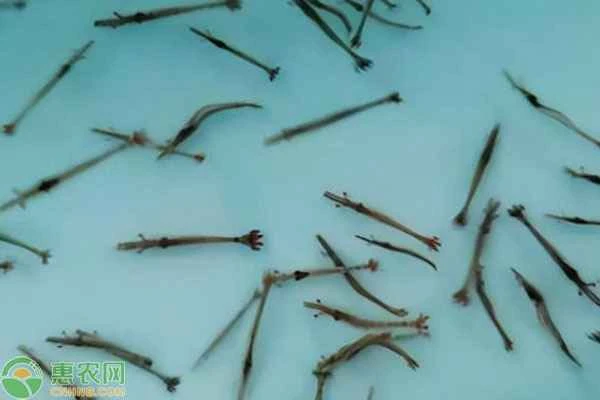
Before releasing shrimp larvae into the pond, it is essential to strictly check whether the pond-cleaning drugs have completely lost their effectiveness. A small number of larvae should be placed into the net cages in the pond first, and observed for 24 hours to check for any abnormalities in the larvae's activities. If the larvae exhibit signs of wandering around or being restless, it indicates that there are still residual pond-cleaning drugs. The larvae should only be released after the drug's effects have completely disappeared.
5. "Harmless" water transfer to ponds
Because shrimp larvae are small, they are less resistant to predators. Before stocking the pond, it is essential to remove any potentially harmful organisms, such as wild fish, to ensure their safety. Incomplete or premature pond cleaning can lead to predators competing with the larvae for food and oxygen, and even preying on them, thus affecting the larvae's survival rate.
6. Release fish into the pond at the appropriate time.
Shrimp larvae that are released too early are too weak and have poor vitality, resulting in a low survival rate when they are released into the pond.
7. Collected from the same batch
The shrimp larvae that are released into the pond should be able to grow at the same rate and have little difference in size. It is best to release a sufficient number at once.
8. Adjust the temperature before releasing the fish into the pond.
For shrimp fry transported from other places, since there is a large temperature difference between the pond water and the truck body, the truck doors can be opened first. After a few minutes, when the temperature inside and outside the truck body is basically the same, the fry can be released into the pond.