Bovine coccidiosis is a protozoan disease caused by coccidia parasitizing the intestinal epithelial cells of cattle. It mainly occurs in calves and is clinically characterized by hemorrhagic enteritis. It mainly occurs in warm and humid seasons, especially spring and summer.
What season does bovine coccidiosis occur?
Bovine coccidiosis exhibits a distinct seasonal pattern, typically occurring more frequently during warm, humid seasons, particularly spring and summer. This is because the reproduction and survival of coccidia parasites require suitable temperature and humidity conditions, which are precisely what spring and summer weather conditions provide.
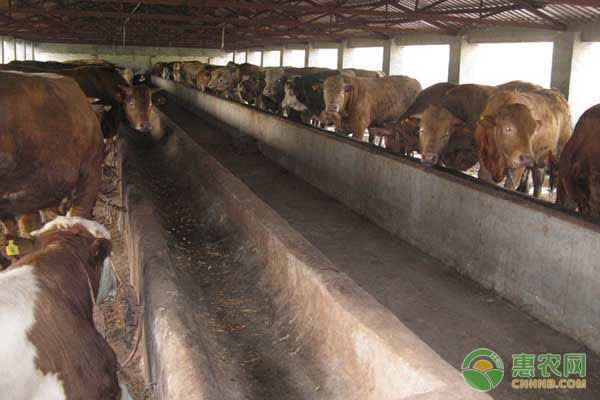
In spring, as temperatures gradually rise and rainfall increases, the environment becomes warm and humid, providing favorable conditions for the reproduction of coccidia parasites. At this time, cattle have relatively weak resistance and are susceptible to coccidia infection. Summer is the peak season for coccidiosis. The hot and humid environment is conducive to the reproduction and spread of coccidia parasites. In addition, summer is also a season when cattle are more active and feed is easily contaminated, increasing the risk of cattle contracting coccidiosis.
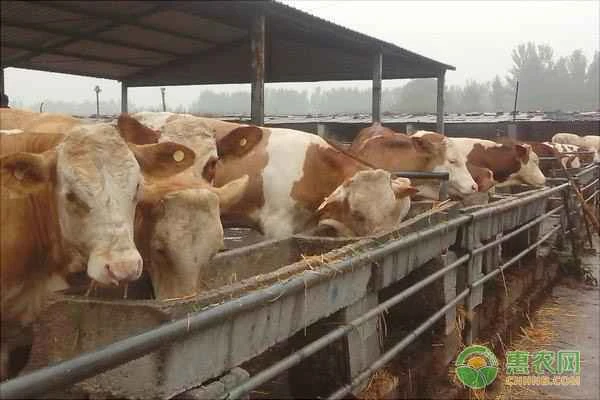
How to prevent bovine coccidiosis?
1. Comprehensive measures including isolation, treatment, and disinfection should be taken. Adult cattle are often carriers of parasites and should be kept separate from calves, and should also be kept separate during grazing.
2. Before the calf nurses, the cow's udder should be washed clean, and the cow and calf should be separated promptly after nursing. The cattle pen should be cleaned daily, and manure and bedding should be collected and disposed of in a harmless manner.
3. Disinfect the ground, cattle pens, feed troughs, and water troughs once a week with boiling water, 3%-5% hot alkaline water, or 1% cresol. Cattle manure must be strictly prohibited from contaminating feed and water.
4. When changing feed types, be sure to transition gradually, not abruptly. Strengthen nutrition, diversify the feed, enhance the body's resistance, and may also use medication for prevention.