In shrimp farming, proper breeding of shrimp larvae is crucial to ensure their survival rate and growth rate, thereby maximizing farming profits. So how are shrimp larvae bred? Let's find out.
How are shrimp larvae reproduced?
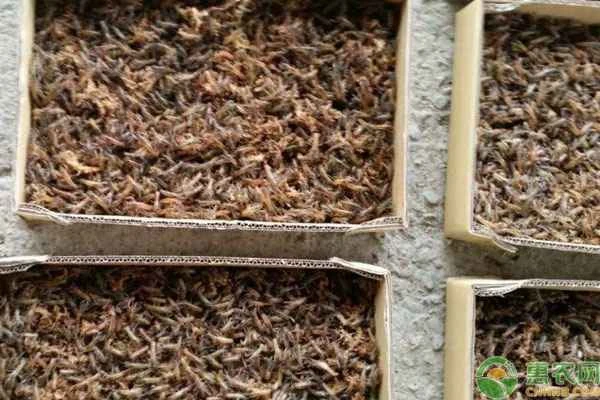
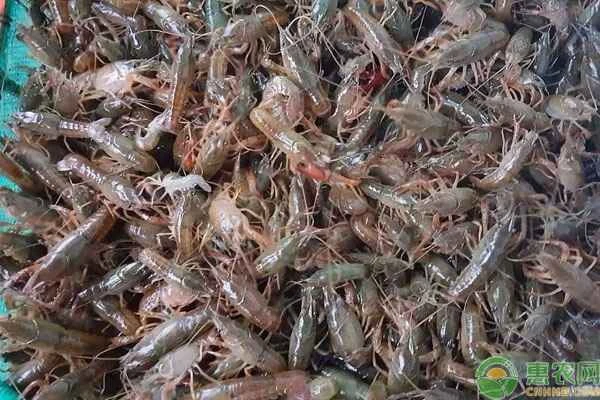
Most shrimp larvae are produced by broodstock shrimp that have been caught from shrimp ponds by farmers, and they reproduce by mating on their own. For example, with crayfish , when the water temperature reaches above 20℃ in April and May, the broodstock shrimp will begin to mate and reproduce. The fertilized eggs hatch into juvenile shrimp in the abdomen of the female shrimp, and the incubation period is about 40-70 days.
What are the environmental requirements for shrimp larvae to reproduce?
1. Water temperature
Water temperature is a key factor affecting the reproduction and growth of shrimp larvae. Generally, the suitable water temperature range for shrimp larvae is between 22 and 30 degrees Celsius, with the optimal growth temperature typically between 25 and 28 degrees Celsius. However, it should be noted that different shrimp species may have varying degrees of adaptability to water temperature.
2. Water quality
River or well water is generally used, and the water quality must be clean. At the water inlet, a sieve is used to filter the incoming water to prevent insects, aquatic animals (such as water centipedes), small fish and shrimp, and their eggs from entering the pond.
3. pH value
When cultivating shrimp larvae, a pH value between 7.8 and 9 is ideal. In production, pH levels are typically adjusted by methods such as water changes, aeration, and controlling the amount of phytoplankton. If necessary, filtered lime water can be used to raise the pH, or sodium bicarbonate can be used to lower it.
4. Light
Generally, shrimp larvae need adequate light for normal physiological activities and growth. Sufficient light can improve the daily utilization capacity, survival rate, and immunity of shrimp larvae, and promote rapid growth and development. However, for some species such as tiger prawns , the light intensity should be controlled at a relatively low level during the larval stage.