Hypertrophic keloid scars, also known as ear piercing scars, typically refer to abnormal growths of tissue around the ear piercing. This condition can be caused by a variety of factors. These keloids may result from excessive scar tissue growth, medically termed keloids or hypertrophic scars. This growth usually occurs during wound healing, especially at skin piercing sites like ear piercings, and may occur in some individuals due to individual differences.
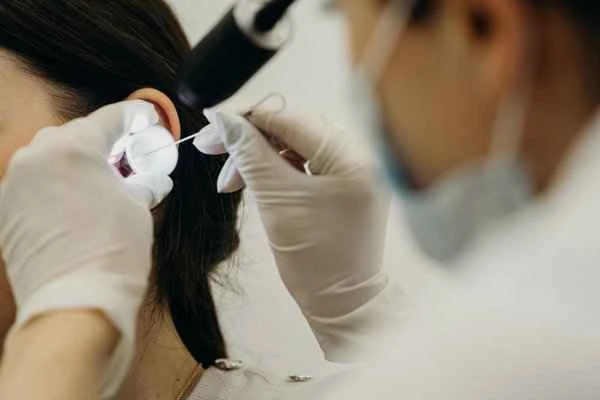
If keloid scarring in your ear piercing is accompanied by redness, swelling, pain, or discharge, it could be a sign of infection. Infections can be caused by bacteria, fungi, or viruses, and often occur when ear piercings are not properly cared for. Infections can not only lead to excessive scar tissue growth but can also cause more serious complications, such as the spread of local inflammation or systemic reactions.
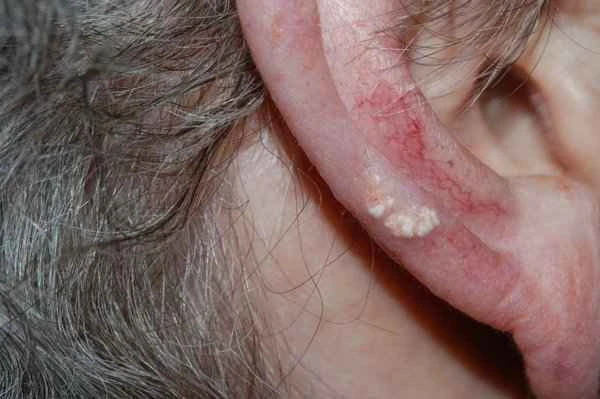
Another possibility is an allergic reaction. Some people may be allergic to the metallic components in earring materials, such as nickel, which can cause skin inflammation and subsequently lead to scarring. Allergic reactions are usually accompanied by itchy skin, redness, and swelling.
Warning signs include, but are not limited to: rapid enlargement of keloid scars, severe pain, general malaise, or fever. In such cases, seek medical attention immediately. Common misconceptions include believing that all ear piercing problems are caused by infection, or that mild keloid scarring requires no special treatment. In reality, keloid scarring varies in type and severity, requiring appropriate measures based on the specific circumstances.
[Prevention Tips:]
1. Choose suitable earring materials and avoid using metals that may cause allergies.
2. Clean your ear piercings regularly and keep the skin around them clean and dry.
3. Avoid wearing earrings that are too tight or too heavy while your ear piercing is healing.
4. If any abnormal symptoms occur, consult a professional doctor for evaluation in a timely manner.