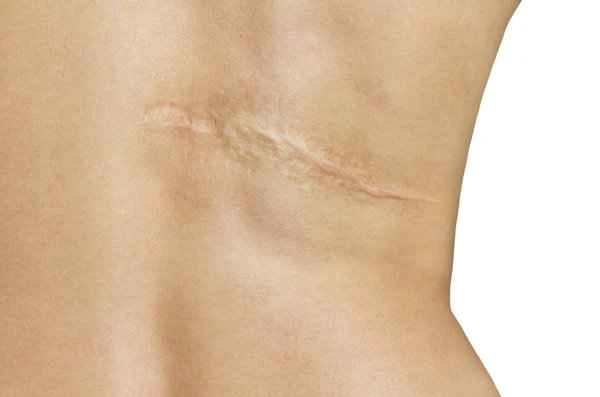
The appearance of scars on the genitals is a natural repair response of the body to trauma or surgery. In such cases, it is first necessary to determine the cause and nature of the scar in order to take appropriate treatment measures.
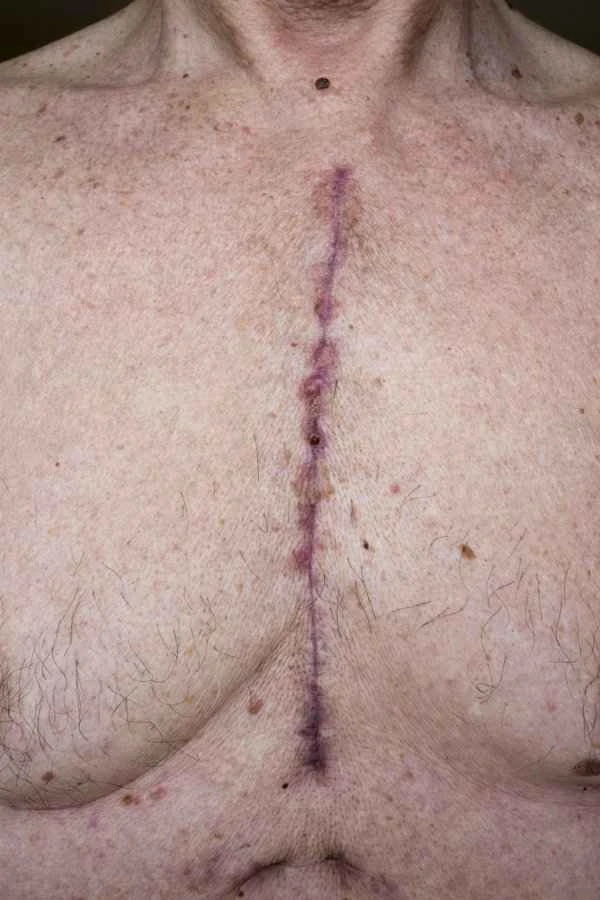
Scars form when the skin is injured, and the body repairs the wound by building up connective tissue. Scars on the genitals can be caused by trauma, surgery, infection, or other skin conditions. There are various types of scars, including hypertrophic scars and keloids, which can cause discomfort, pain, and even affect function. The goal of scar treatment is to reduce symptoms, improve appearance, and restore function. Treatment methods include medication, physical therapy, and laser therapy. Medication typically uses topical corticosteroids, such as corticosteroids, to reduce inflammation and scar formation; physical therapies, such as pressure therapy and silicone dressings, can promote scar softening and flattening; laser therapy can promote scar tissue remodeling. These treatment methods each have their own focus, and optimal results can be achieved through a comprehensive approach.
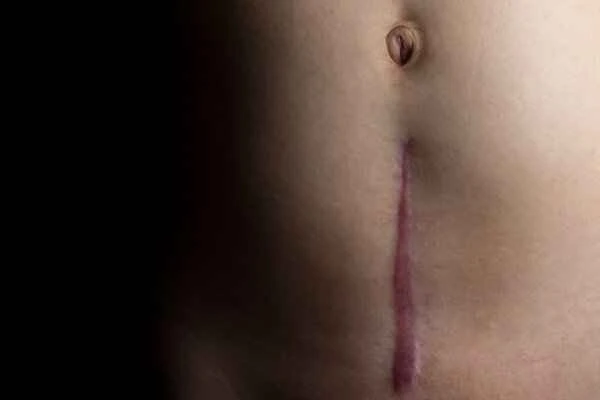
It's important to note that not all scars require treatment, especially those that are asymptomatic or impair function. Scar treatment is a long-term process that requires patience and perseverance from the patient. When choosing a treatment method, the type, location, and size of the scar, as well as the patient's overall health, should be considered comprehensively, and a personalized treatment plan should be developed by a professional doctor. Furthermore, side effects may occur during treatment, such as skin thinning and hyperpigmentation; therefore, close monitoring and timely adjustments to the treatment plan are necessary.

[Management Tip:]
1. Have regular scar assessments at the hospital and adjust the treatment plan according to the doctor's advice.
2. Maintain good personal hygiene habits to avoid infection of the scar area.
3. Avoid excessive friction or pressure on the scarred area to prevent worsening of symptoms.
4. If pain, redness, swelling or other abnormal symptoms occur, seek medical attention promptly.