Atrazine, also known as chlorpyrifos, is a herbicide with a wide range of weed control, good weed control effect, safety for crops, short residual period, and low price. So, what specific weeds does atrazine primarily kill? Let's find out below.
What weeds does atrazine primarily kill?
Atrazine has a wide range of weed control applications, primarily used to control broadleaf weeds such as barnyard grass, sedge, wild oats, knotweed, lambsquarters, black nightshade , purslane, cocklebur, velvetleaf, amaranth retroflexus, knotweed, willow-leaved knotweed, dayflower , and pigweed, as well as free-growing wheat seedlings in cornfields. It also has good control effects on noxious weeds such as nutgrass, sow thistle, and sow thistle.

Characteristics of Atequ
1. Dual-effect blocking
Atrazine is a selective pre- and post-emergence herbicide that can be absorbed by roots, stems, and leaves. It has a strong root absorption capacity, so it can be used both pre- and post-emergence, with a very wide application period.
2. Good compatibility
Atrazine can be mixed with pre-emergence herbicides such as metolachlor, acetochlor, isopropylmetolachlor, and butachlor. It can also be combined with various post-emergence herbicides such as nicosulfuron, mesotrione, sulfadiazine, MCPA, and clopyralid, all of which have a good synergistic effect.
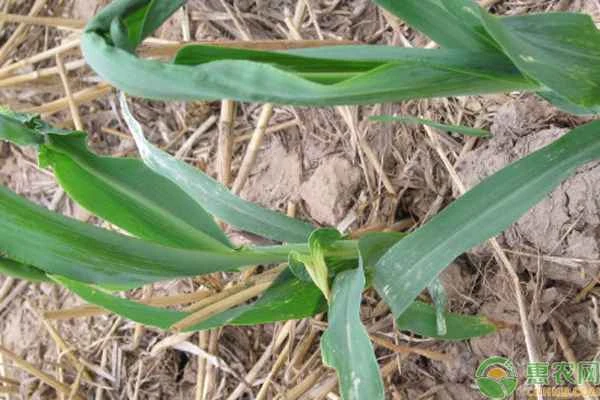
3. Long-lasting effect
Atrazine has a relatively long residual effect in the soil, generally up to about 6 months, which can have some impact on subsequent crops such as wheat. However, when used in combination with other products, its synergistic effect is significant, the dosage is reduced, and it has almost no impact on subsequent crops.
4. Wide range of applications
Atrazine can be used not only in cornfields, but also in sorghum, sugarcane, tea gardens, apple orchards, rubber plantations , pear orchards, roadsides, wastelands, etc., to control a variety of broadleaf and grass weeds.
5. Easily leached
Atrazine is highly water-soluble and easily runoff with rainwater, entering groundwater and polluting the environment. Long-term, continuous, and excessive use can endanger environmental safety and human health.