The formation time of keloids varies from person to person, and there is no fixed timetable.
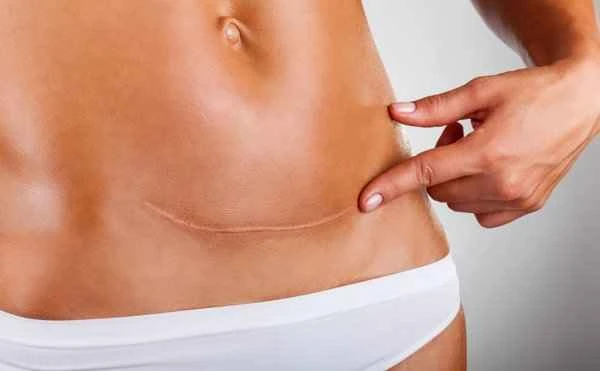
Understanding when keloids form helps us better prevent and treat this condition. Keloids, also known as scar tumors, are excessively growing scar tissue that extends beyond the wound healing area, causing discomfort and psychological stress for patients. Determining when keloids form is crucial for timely intervention.
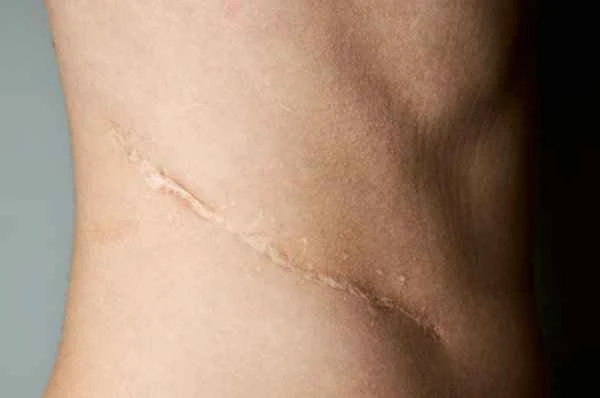
Keloids typically form after trauma, surgery, vaccination, or minor skin injury. Their formation involves complex biological mechanisms, including the release of cytokines, activation of fibroblasts, and excessive collagen deposition. Specifically, when the skin is injured, the body initiates a healing process, during which fibroblasts proliferate and secrete collagen, forming initial scar tissue. In some individuals, this healing process becomes abnormally active, leading to excessive scar tissue growth and the formation of keloids. This process may begin to appear within weeks of wound healing, but sometimes it may not become apparent until months or even years later.
When understanding the formation timeline of keloids, it's important to recognize that each individual's situation is unique. This means that while keloids may begin to form within weeks of a wound healing, in some cases they may not appear until months or even years later. If abnormal scar hyperplasia occurs after a wound has healed, seek medical attention promptly for early diagnosis and treatment. It's also important to note that keloid treatment is not a quick fix and may require long-term management and maintenance. While following your doctor's advice, avoid self-treatment or using unproven treatments, as this could worsen the condition.
【Useful Tips:】
1. Carefully observe changes after the wound heals. If abnormal growth is found, seek medical attention promptly.
2. Keeping the wound clean and avoiding infection helps reduce the risk of keloid formation.
3. Under the guidance of a doctor, pressure therapy, silicone sheets, or local injections of corticosteroids can be used to prevent and treat keloids.
4. Understand your family history. If there is a family history of keloids, you should pay more attention to wound care and preventive measures.