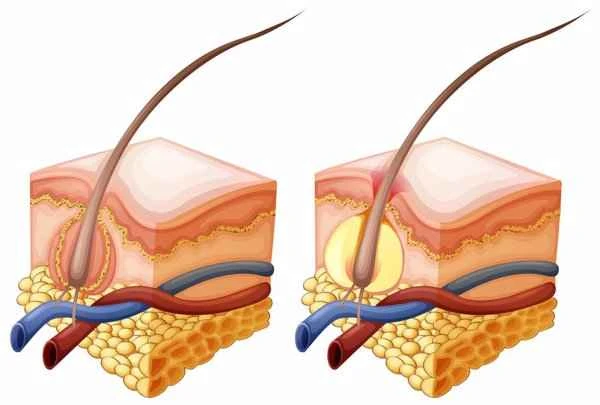
Internal opening scar bleeding refers to bleeding caused by scar tissue at the internal opening of the anus. When internal opening scar bleeding occurs, it's important to first understand that this bleeding is usually caused by scar tissue formation after anal surgery, or by scar tissue resulting from damage to the anal mucosa due to long-term chronic constipation or diarrhea. The key to treating internal opening scar bleeding is to reduce tension on the scar tissue, promote wound healing, and control the bleeding.
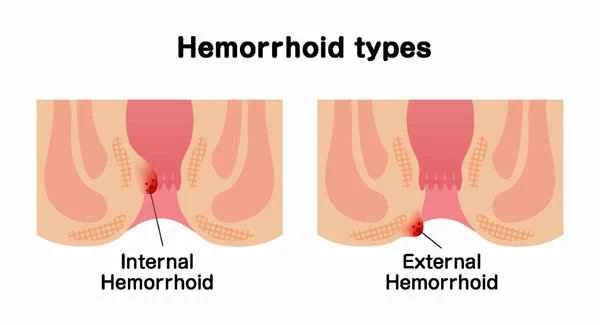
Treatment of bleeding from internal opening scars primarily relies on medication and lifestyle modifications. Medication mainly includes the use of hemostatic agents such as vitamin K and tranexamic acid to help control bleeding; simultaneously, medications that promote wound healing, such as growth factors, can accelerate the repair of scar tissue. Topical application of medications that promote blood circulation and tissue repair, such as nitroglycerin ointment, can also effectively relieve symptoms. Lifestyle modifications include maintaining regular bowel movements and avoiding constipation or diarrhea, which can be achieved by increasing dietary fiber intake, drinking plenty of water, and engaging in moderate exercise. Avoiding prolonged sitting, keeping the anal area clean, and avoiding the use of harsh hygiene products are also important measures for preventing and treating bleeding from internal opening scars.
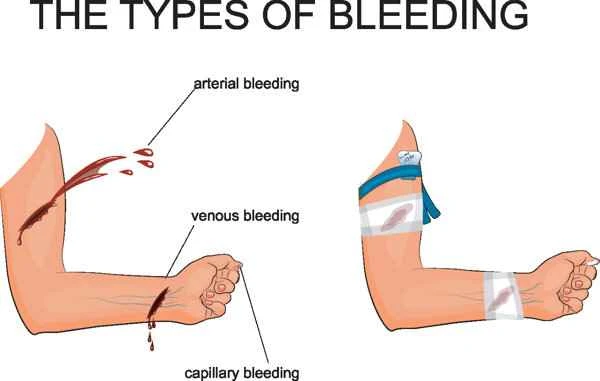
Patients may encounter some misconceptions when treating bleeding from internal anal opening scars. For example, some patients may believe that controlling the bleeding is the solution, neglecting to treat the scar tissue itself. In reality, simply controlling the bleeding does not address the root cause, as the presence of scar tissue continues to affect normal anal function. Some patients may become dependent on medication, neglecting lifestyle modifications, which can lead to poor treatment outcomes. Therefore, the treatment of bleeding from internal anal opening scars should consider both medication and lifestyle adjustments to achieve the best results.
[Management Tip:]
1. Use hemostatic drugs and wound-healing-promoting drugs, such as vitamin K, hemostatic agents, growth factors, etc.
2. Adjust your diet, increase your intake of dietary fiber, and keep your bowels moving smoothly.
3. Keep the anal area clean, avoid prolonged sitting, and engage in appropriate exercise.
4. If persistent bleeding or other serious symptoms occur, seek medical attention promptly.