The key to preventing hypertrophic scarring after a cesarean section lies in taking timely measures to reduce excessive scar tissue growth. After a cesarean section, the skin and tissue at the incision site undergo a healing process. If not handled properly during this process, scar tissue may proliferate excessively, forming hypertrophic scarring. To effectively prevent this, a multi-pronged approach is needed, including postoperative care, medication use, and lifestyle adjustments.
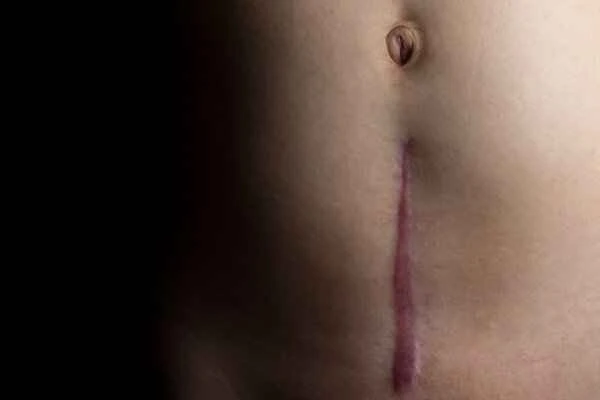
Post-operative care is crucial in preventing hypertrophic scarring. After surgery, doctors usually advise patients to keep the wound clean and dry to avoid infection, as infection can promote scar tissue growth. At the same time, doctors may recommend the use of specific dressings, such as silicone gel dressings, which help keep the wound moist and reduce the risk of hypertrophic scarring. Regular wound checkups are also necessary to ensure that any abnormalities in the wound healing process are detected and addressed promptly.
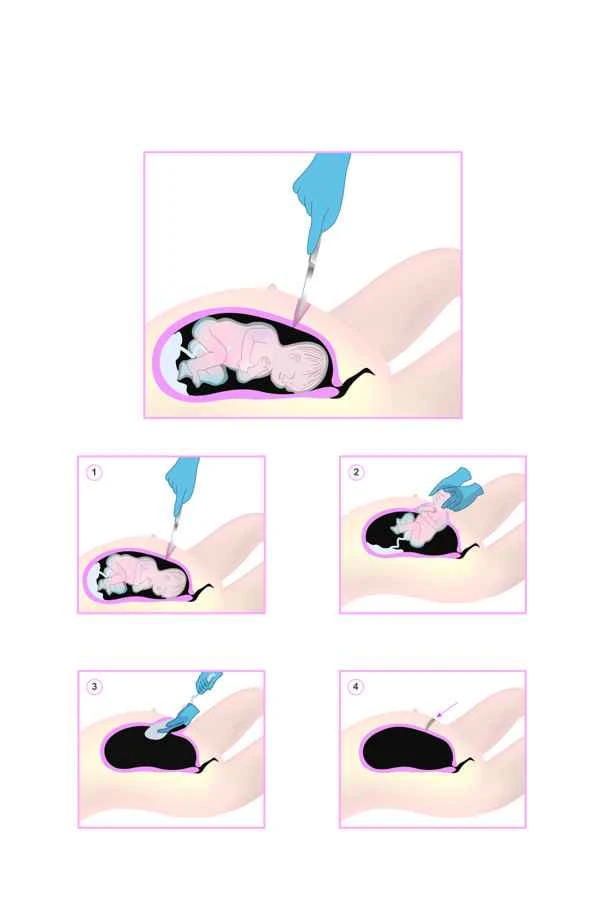
Medication is also an important means of preventing hypertrophic scarring. Doctors may prescribe medications, such as topical corticosteroids, which can reduce inflammation and thus reduce the formation of scar tissue. Vitamin E and some skin-health-promoting supplements may also be recommended to promote wound healing and reduce the likelihood of hypertrophic scarring.
Finally, lifestyle modifications are equally important in preventing hypertrophic scarring. Maintaining good nutrition, with sufficient protein and vitamin intake, helps promote wound healing. At the same time, avoiding excessive skin friction and pressure can reduce scar tissue formation. Maintaining appropriate physical activity and avoiding prolonged bed rest also helps promote blood circulation and reduce the risk of hypertrophic scarring.
When addressing the issue of cesarean section scar hyperplasia, it's important to recognize that it's a complex physiological process involving multiple factors. While the measures mentioned above can effectively reduce the risk of scar hyperplasia, individual constitutions and healing abilities vary, and the effectiveness of preventative measures will differ. Before taking any preventative measures, it's best to consult a medical professional to develop a personalized prevention plan based on your specific circumstances.
[Prevention Tips:]
1. Apply silicone dressings or other dressings promptly after surgery to keep the wound moist.
2. Check the wound regularly to ensure there are no signs of infection.
3. Use topical corticosteroids or other medications as advised by your doctor.
4. Maintain good nutrition to promote wound healing.