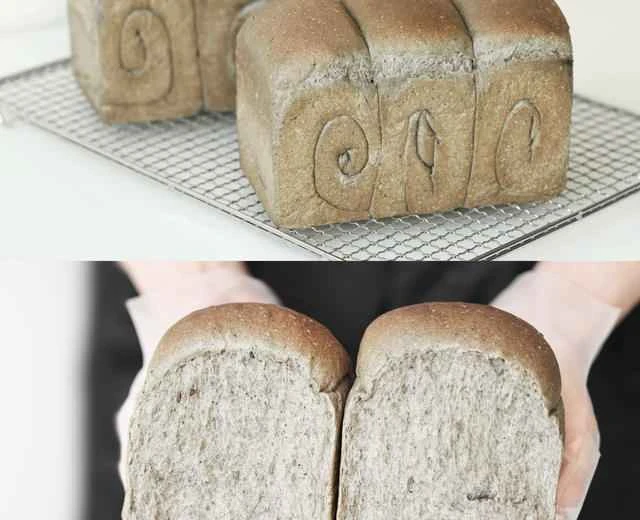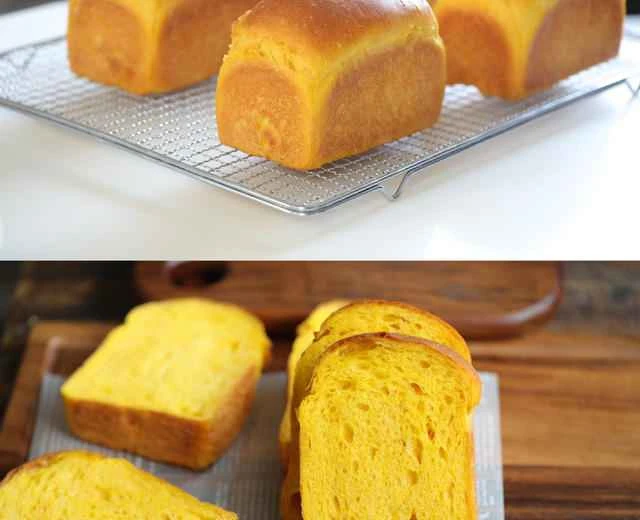
【English Crispy Toast】An extension of the basic dough, with increased water content, resulting in a significantly different texture. It has a thin crust and tender interior; the higher water content gives it a slightly gelatinous texture, while the bread core is meaty and easy to chew, with a slightly fermented flavor and a noticeable sweet aftertaste. Tangzhong (scalded dough): https://mp.weixin.qq.com/s/o-qxK0t902KSFiT5z5vwUw Notes: ① Please carefully check the ingredient ratios before making; 85% of the recipe makes two 450g loaf pans; ② Malt extract's main ingredients are malt and water, generally used in French oil-free or low-sugar doughs. Its main function is to provide nutrients for yeast and improve baking color; it can be ignored if unavailable. Important points before making: ① This recipe uses mature pumpkin, not the kabocha squash or chestnut pumpkin type. The amount of water used will vary depending on the moisture content of the pumpkin puree. Reserve 40-50 grams of water for later use to control the amount and reduce the difficulty and time of kneading. ② Use 1/3 the amount of dry yeast as fresh yeast. If using dry yeast, choose low-sugar dry yeast. ③ Strictly control the dough temperature; the dough temperature after mixing should be below 26 degrees Celsius. ④ Preheat the oven before the final fermentation is complete to avoid over-fermentation if the oven is not preheated.
Materials
Steps for making low-oil and sugar pumpkin toast
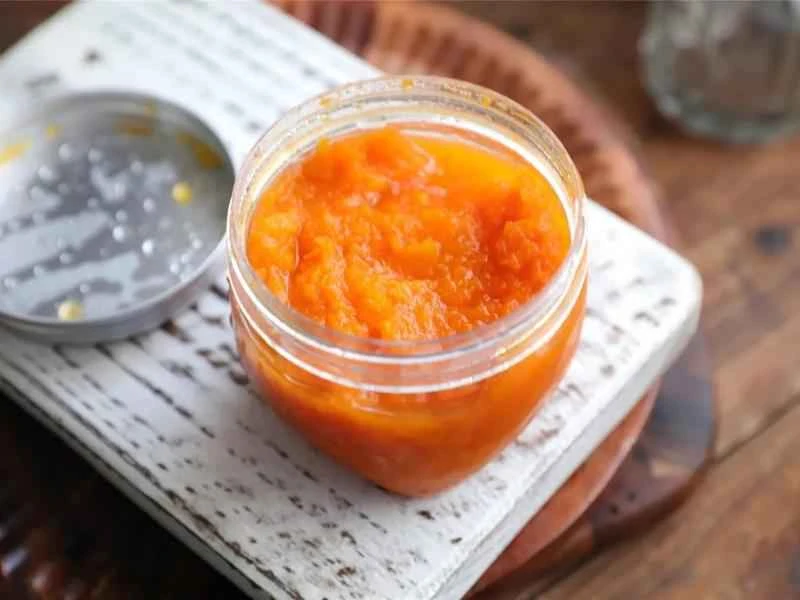
① Steamed Pumpkin (It is recommended to prepare this the night before making bread). Peel and cut the pumpkin into chunks, steam until cooked, and let cool. Please prepare this one day in advance if possible, and refrigerate or freeze as needed. If you steam a large batch at once, you can divide it into portions and freeze them.
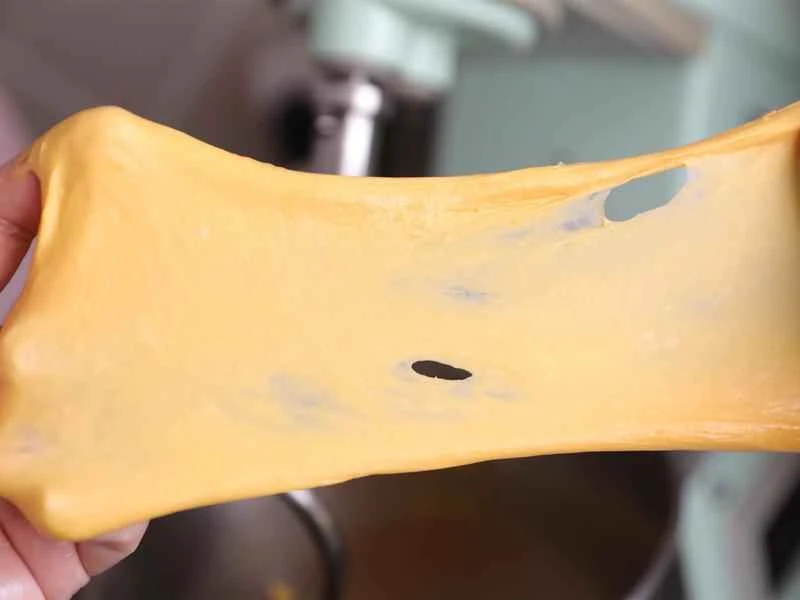
Weigh all ingredients except butter for the dough in the delayed butter method and place them in the mixing bowl of a stand mixer. Mix on low speed (level 1) for about 1 minute, until no dry flour remains, then increase the speed to level 6. As the gluten develops, you can stretch it into a large, relatively thick membrane.
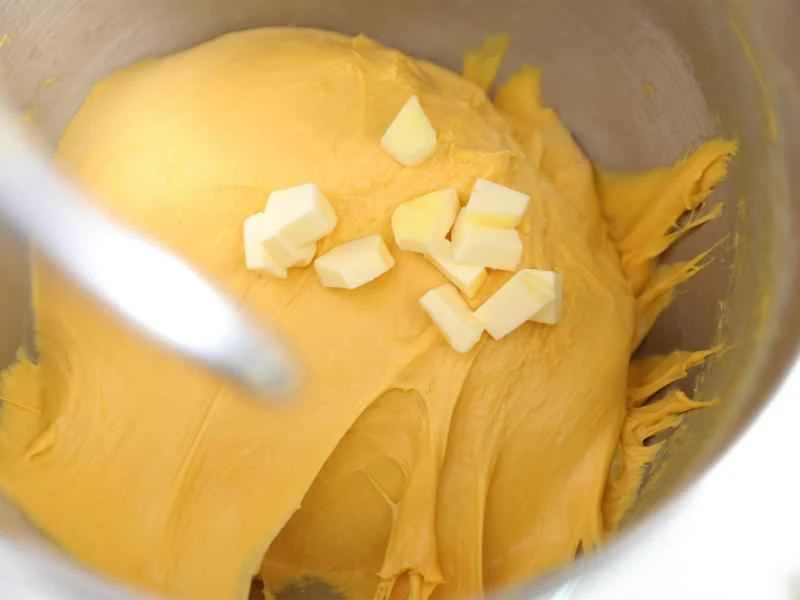
Add the softened butter and knead it in at speed 3 for about 1-2 minutes.
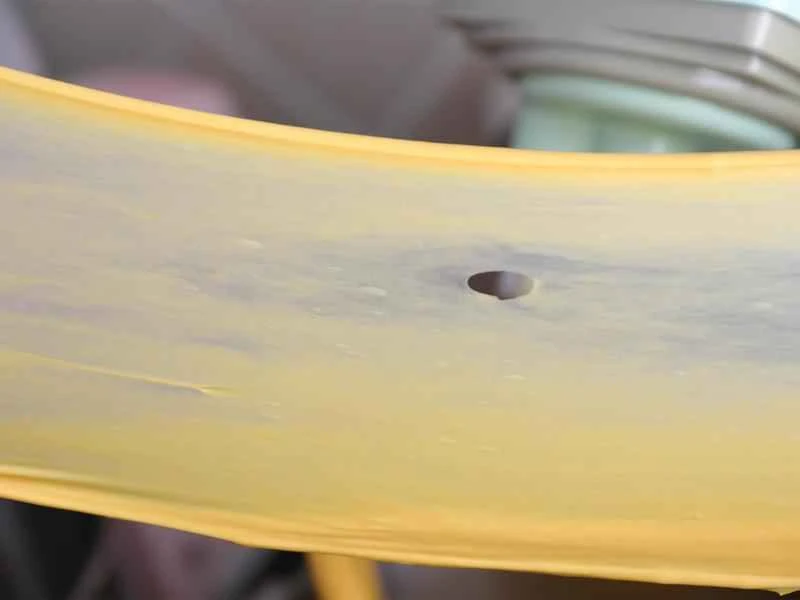
After incorporating the butter into the dough, switch to speed 6 and continue kneading until the dough reaches the extended stage; it should be able to stretch into a relatively transparent, highly elastic membrane.
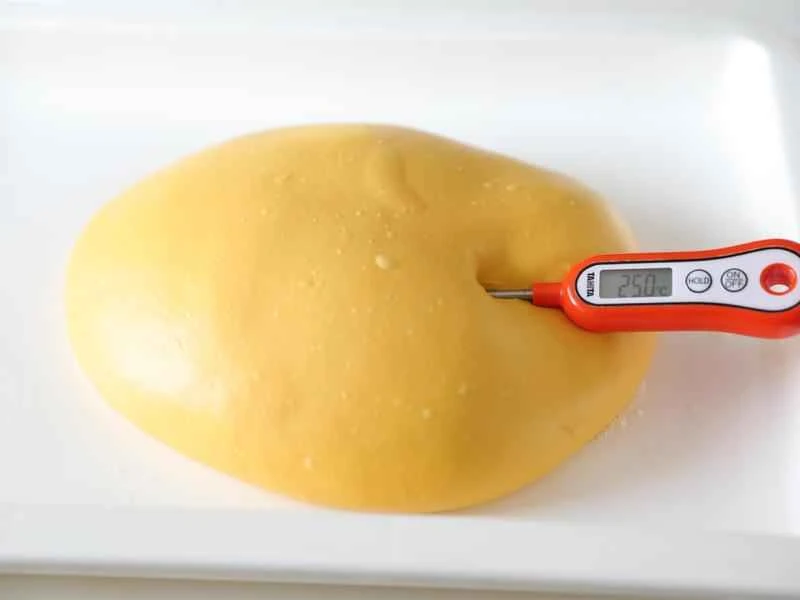
When the dough comes out of the kneading container, the temperature should be around 24 degrees Celsius. Take the dough out, shape it, and place it in a container.
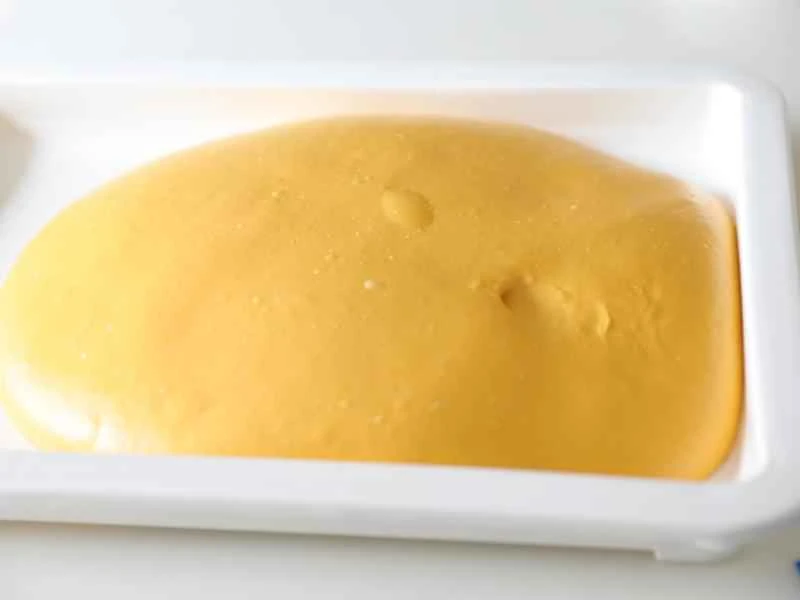
Place the dough in a fermentation box, set the temperature to 28°C and the humidity to approximately 75%, for primary fermentation. Primary fermentation should take about 60 minutes, until the dough has risen to approximately 2-2.5 times its original size.
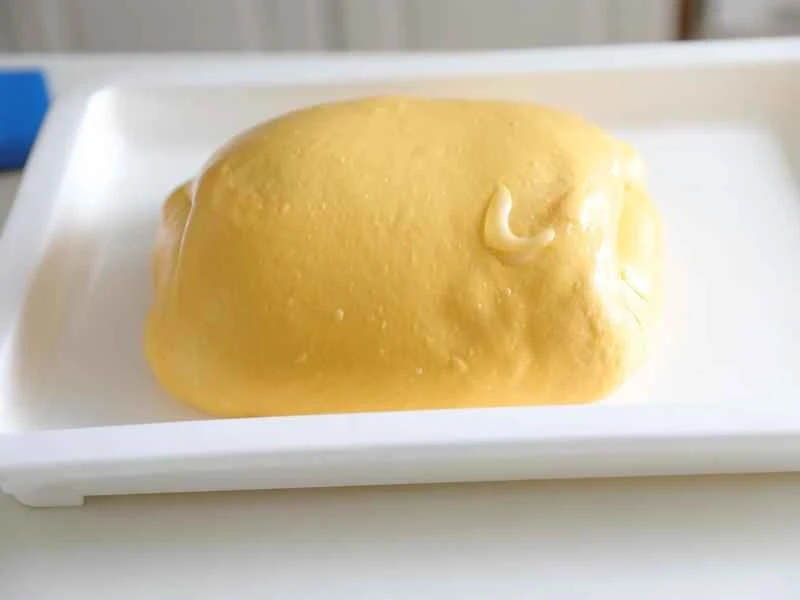
Folding and Turning Notes: After the dough has fermented, remove it from the refrigerator, sprinkle with flour to prevent sticking, and fold it over like a blanket from top to bottom and left to right.
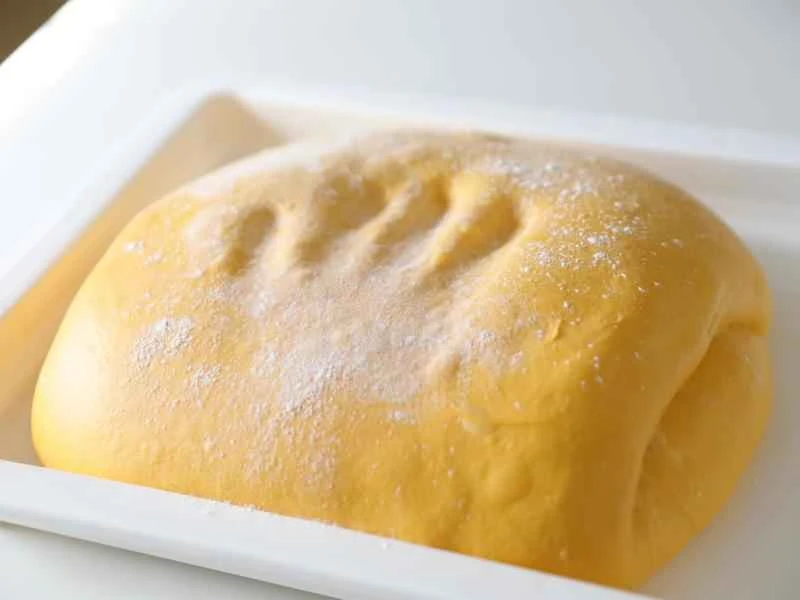
Place in a box and continue fermenting at 28 degrees Celsius for 30 minutes.
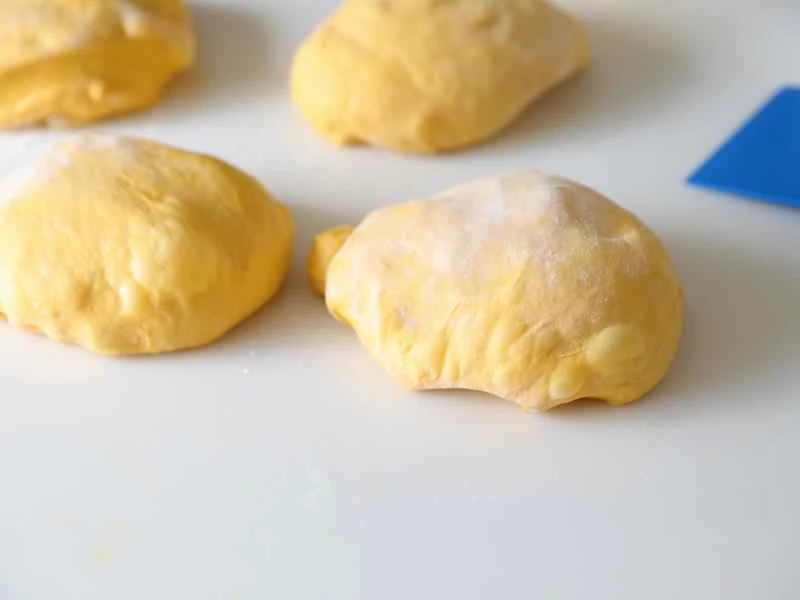
Take out the dough and divide it into portions of about 310-320 grams each.
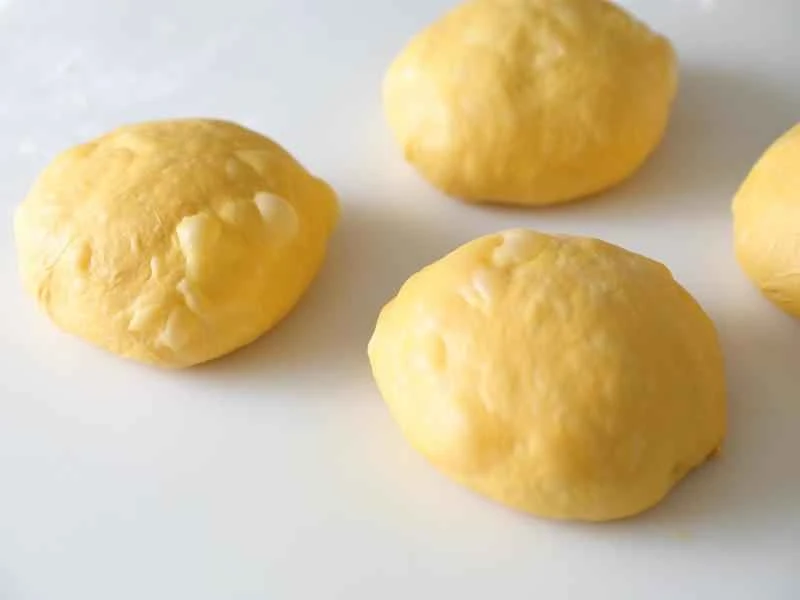
Fold and tighten, shape into a round shape, and place in a fermentation box. Proof for 20 minutes at a temperature of 28°C and a humidity of 75-80%.
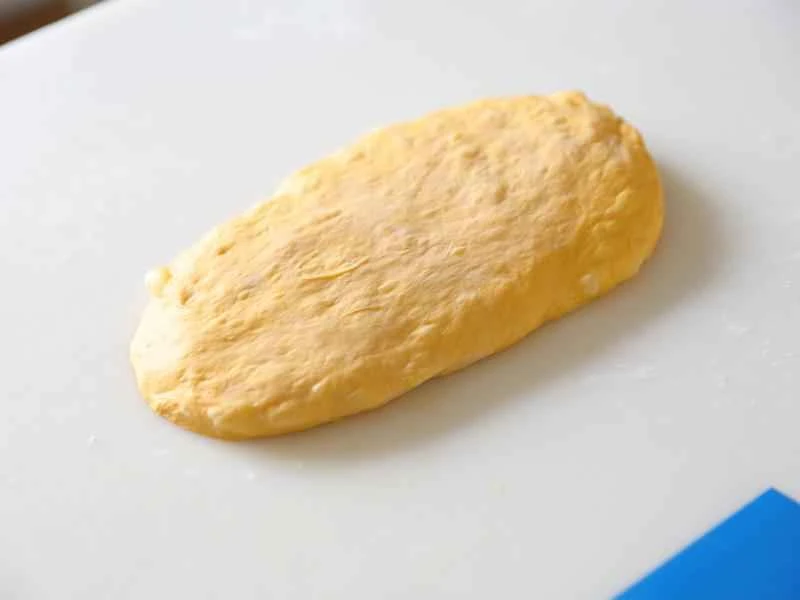
Take a relaxed dough ball, tuck the two sides inward and gently pat it from the middle upward and downward with your palms to remove large air bubbles;
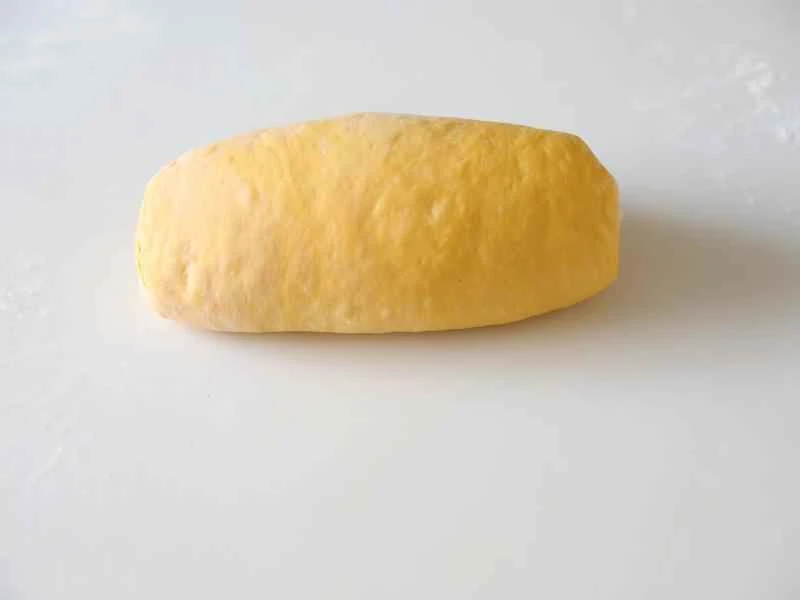
Turn it over, roll it up from top to bottom, and press the seam closed.
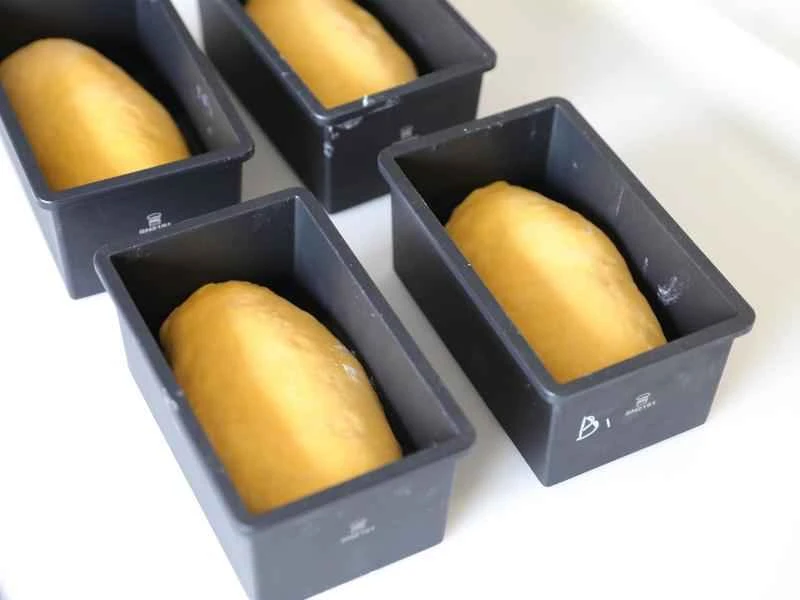
With the seam facing down, tidy up both ends and place in a loaf pan. Let it ferment in an environment with a temperature of around 32 degrees Celsius and a humidity of 80%.
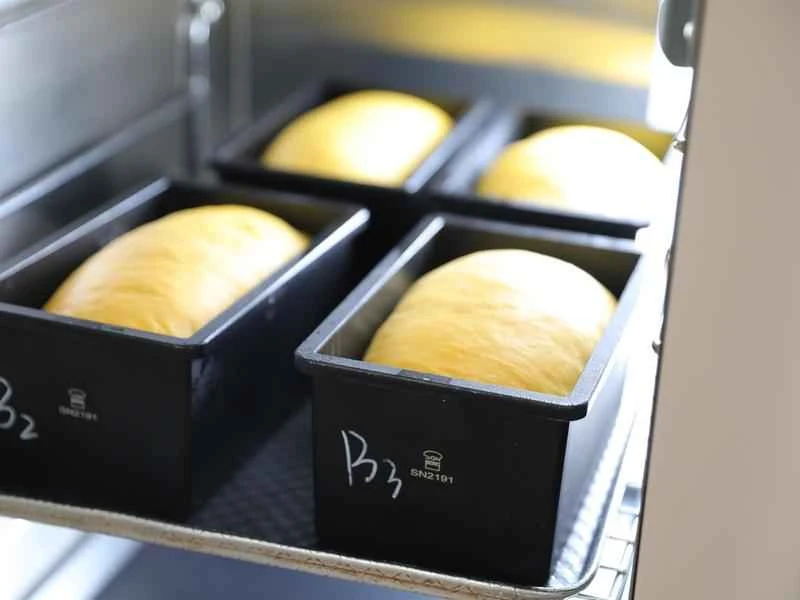
Remember to preheat the oven and turn on the steam. Let it rise to 90% or more.
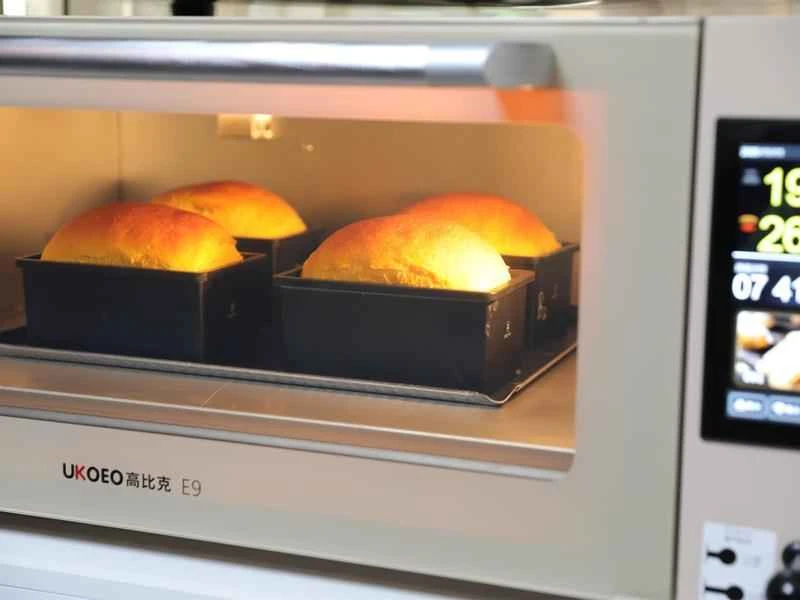
Place the loaf pan in a preheated GOBIK E9 Gen 2 oven on a baking tray. Steam for 6 seconds, then bake at 190°C (top heat) and 260°C (bottom heat) for 22-23 minutes. Note: Adjust the temperature by 10°C depending on the baking conditions. For the same mold, baking tray, and quantity, SP50 and AC90 ovens are recommended to use the same settings. If you are not using a baking tray at the bottom, please lower the bottom heat setting. For home ovens, 190°C/230°C is recommended.
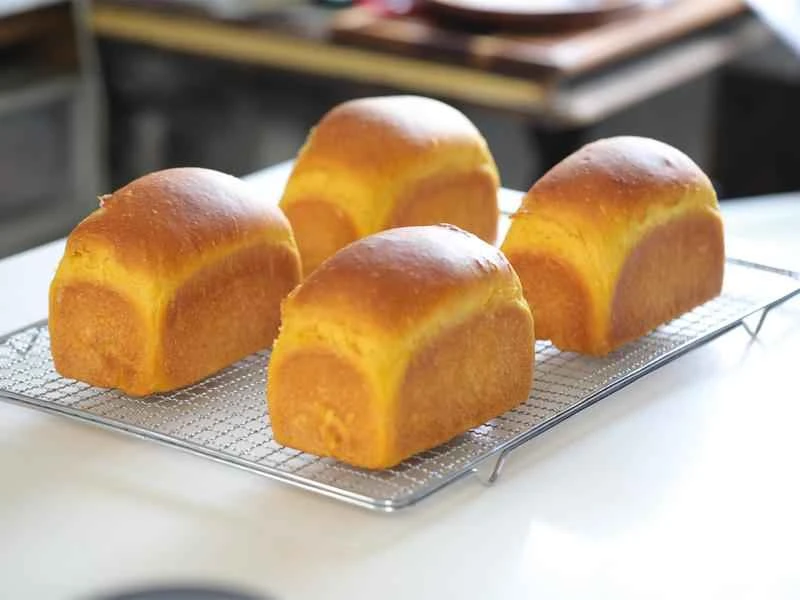
Demolding after shaking the mold after baking;
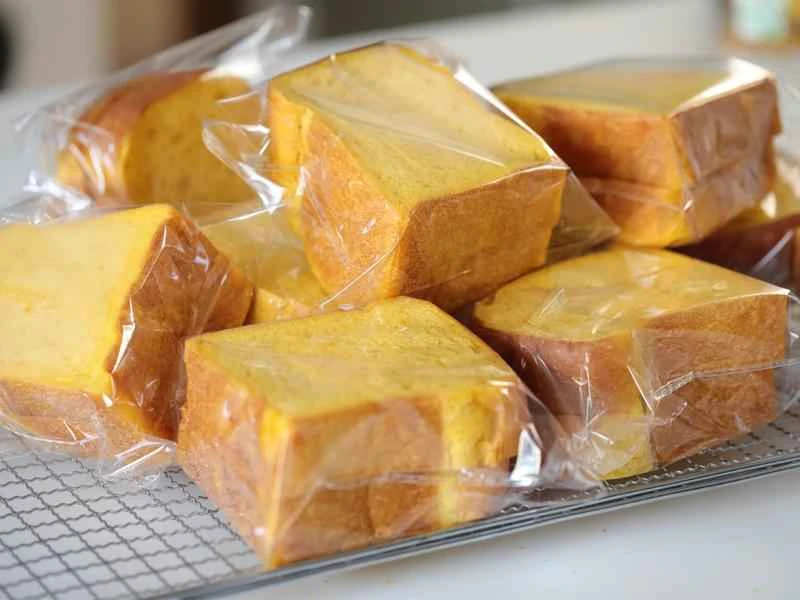
Slice after it has cooled completely.