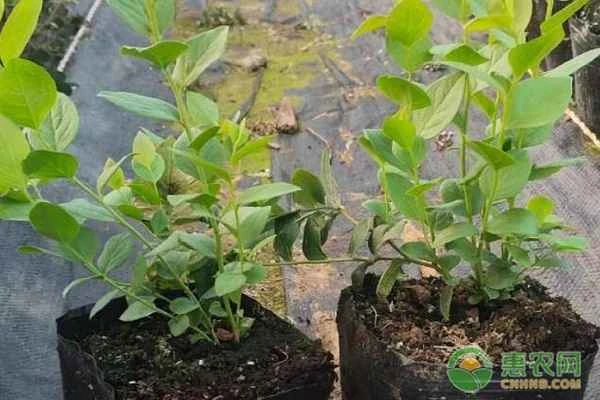
Strawberries are a nutritious and delicious fruit , but strawberries on the market often contain pesticide residues and are not cheap. Many people want to grow their own strawberries, so how do you germinate strawberry seeds ? Let's take a look.
1. Prepare seeds
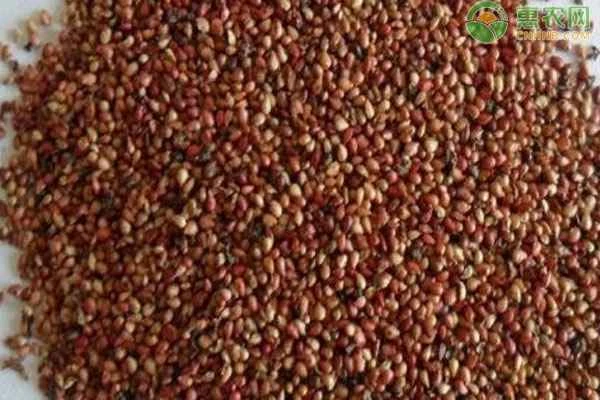
Choose fresh strawberry seeds with a shelf life. You can buy them at seed stores or flower markets. Make sure the seeds are undamaged, of good quality, and have good germination potential.
2. Preprocessing (optional)
Some strawberry varieties require a pretreatment step for their seeds, such as cold stratification. Place the seeds on damp, fine sandpaper or paper towels, put them in a sealed bag, and refrigerate them to simulate a cold period. Keeping the seeds in the refrigerator for about 2 to 4 weeks during cold stratification can promote germination.
3. Prepare the sowing container
Choose a suitable sowing container, such as a seedling tray, pallet, or flowerpot. Avoid over-soaking the seeds and ensure the container has good drainage.
4. Fill with soil
Choose a suitable soil mixture to fill the seed container. It is best to use loam or sandy soil rich in organic matter to provide good nutrition and aeration.
5. Sowing
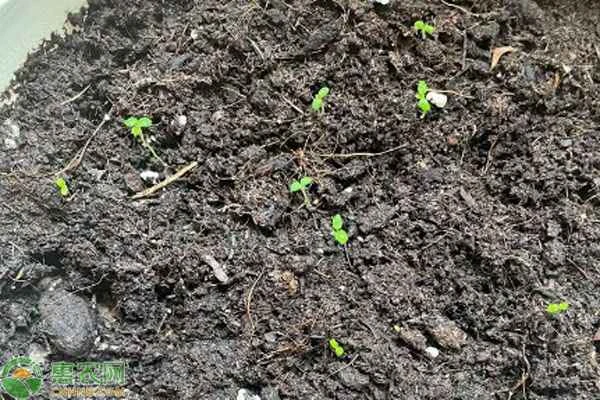
Sow strawberry seeds evenly in the seeding container. To ensure proper planting spacing and depth, determine the amount based on planting density and seed size. You can lightly cover the seeds with a thin layer of soil and gently press the surface to ensure good soil-seed contact.
6. Temperature and humidity control
Place the seed container in a bright and warm environment (15-25 degrees Celsius). Strawberry seeds need plenty of sunlight to germinate. Keep the soil moist, but do not overwater to prevent seed rot. You can use a spray bottle to lightly mist the seeds regularly to maintain moderate moisture.
7. Wait for it to sprout
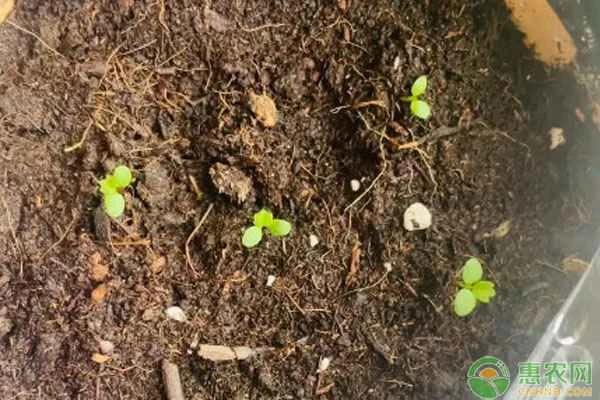
Be patient and wait for the strawberry seeds to germinate. Usually, you will see seedlings emerging from the soil surface within 2 to 4 weeks.
8. Seedling Management
Once the strawberry seeds germinate, provide adequate light and adjust humidity and temperature. Fertilize as needed and keep the soil moist.